What is a 90 Degree Toggle Clamp and How to Use It?
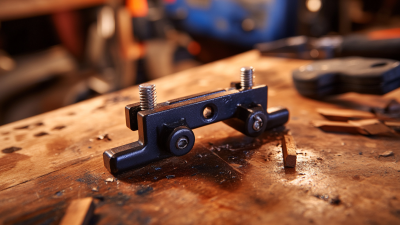
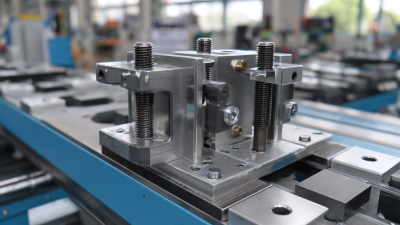
When working with clamps in various applications, the **90 Degree Toggle Clamp** stands out for its versatility and efficiency. This clamp allows for secure holding at a right angle, making it ideal for woodworking, metalworking, and assembly tasks. Its design ensures a strong grip while enabling quick and easy adjustments, enhancing productivity on the job.
Using a **90 Degree Toggle Clamp** is straightforward, yet there are nuances that require attention. For example, the positioning of the clamp is critical. Improper placement can lead to inadequate securement, which may compromise the workpiece. Therefore, understanding how to balance the clamp’s force is essential for optimal performance. While these clamps are user-friendly, continuous practice is vital for mastering their use.
With their solid construction and reliable functionality, **90 Degree Toggle Clamps** are an indispensable tool. However, it's important to recognize that even experienced users can face challenges. Ongoing experimentation and reflection on your technique can lead to improved outcomes. Ultimately, the **90 Degree Toggle Clamp** is more than a tool; it is a means to elevate your craftsmanship.
What is a 90 Degree Toggle Clamp and Its Functionality?
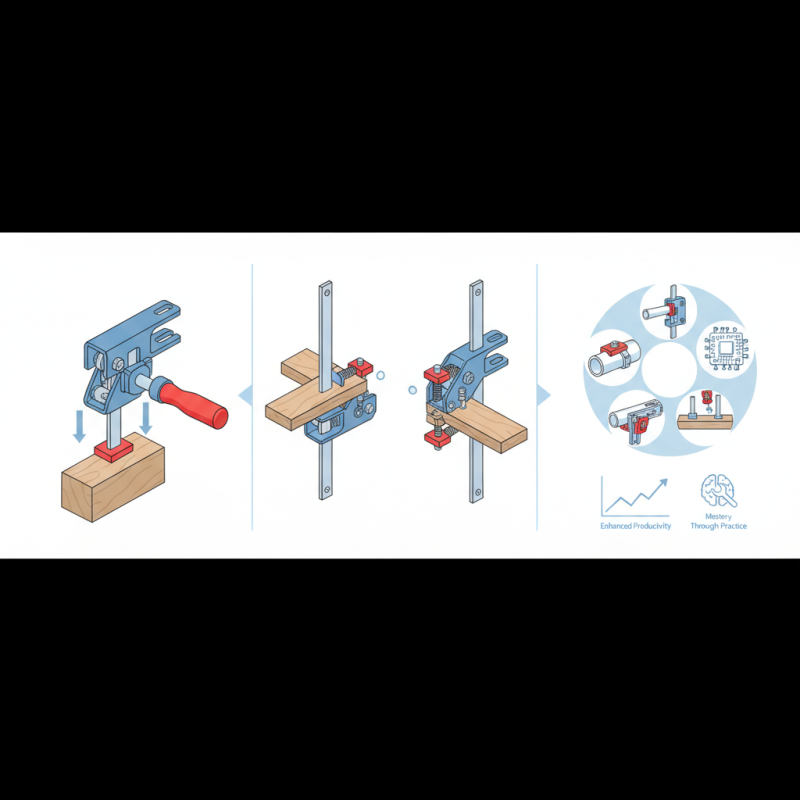
A 90 degree toggle clamp is an essential tool used in various industries. Its key function is to securely hold workpieces in place during machining, welding, or assembly processes. The clamp operates using a lever mechanism, allowing users to apply significant force with minimal effort. This design helps in achieving a stable and rigid hold.
When using a 90 degree toggle clamp, positioning is critical. The clamp should align properly with the workpiece for optimal stability. Users must ensure that the clamp's arms fully engage when locked. Improper positioning can lead to instability, causing workpieces to shift unexpectedly. A few users may overlook this aspect, leading to frustrating errors in their projects.
Moreover, maintenance plays a key role in the clamp's performance. Regularly checking for wear and lubrication can extend its lifespan. Users should also clean the clamp to remove debris that might hinder its functionality. It's easy to forget these routine tasks, but neglecting them can affect the clamp's reliability over time. Consider these details to enhance your experience with this versatile tool.
Key Components of a 90 Degree Toggle Clamp
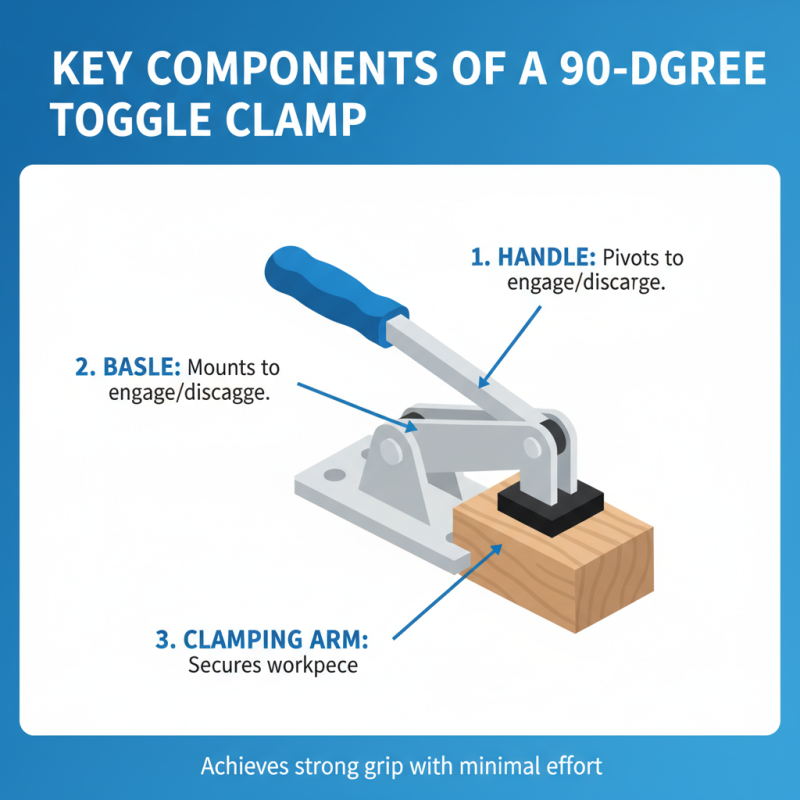
A 90-degree toggle clamp is a versatile tool for securing components in manufacturing and woodworking. Its key components include the handle, base, and clamping arm. These parts work together to achieve a strong grip with minimal effort from the user. The clamp operates by pivoting the handle, which pulls the clamping arm down to secure the workpiece.
In the manufacturing industry, toggle clamps play a crucial role in increasing efficiency. According to a report from the National Tooling and Machining Association, effective clamping improves production speed by 20% in assembly processes. The toggle mechanism enables a quick release, saving time during setups and transitions. Ensuring your clamps are robust reduces downtime.
Tips: Regular inspections of the clamp's parts prevent unexpected failures. Lubricating the pivot points enhances smooth operation and extends tool life. It’s important to avoid overtightening, as this may damage both the clamp and the workpiece. Proper usage maintains the integrity of the clamp and improves safety.
Many users may experience difficulties when adjusting the clamp for various workpieces. This inconsistency can lead to frustration. Finding the right balance between pressure and workspace can take time and practice, reflecting the importance of ongoing learning to master toggle clamp usage. Challenges like these encourage users to innovate their techniques effectively.
Step-by-Step Guide on How to Use a 90 Degree Toggle Clamp
A 90-degree toggle clamp is an essential tool in various industries, especially in woodworking and metalworking. This clamp securely holds workpieces, allowing for precision in tasks such as drilling or sanding. It is designed to provide a strong clamping force with minimal effort. According to industry reports, effective clamping can improve productivity by up to 30% in manufacturing processes.
To use a 90-degree toggle clamp, start by positioning it on the workpiece. Ensure that the clamp's arm aligns perpendicular to the surface. Engage the toggle mechanism to lock the clamp in place. Proper adjustment is crucial, as over-tightening can damage materials. Regularly checking the clamp's strength is advised; a worn clamp can compromise safety and efficiency.
Pay attention to the movement of the clamp. If the toggle does not engage smoothly, inspect for dirt or debris that could hinder motion. Using lubricant can often resolve these issues. Incorporating the toggle clamp into your workflow may raise the question of ergonomics. While it boosts efficiency, repeated use without proper breaks could lead to fatigue. Understanding these nuances is vital for optimal performance.
Usage Statistics of 90 Degree Toggle Clamps
Common Applications for 90 Degree Toggle Clamps
90-degree toggle clamps are versatile tools used in various applications. One common use is in woodworking. Cabine makers rely on these clamps to securely hold pieces while they are being assembled. The firm grip they provide allows for precision, reducing errors during cutting and joining.
In metalworking, 90-degree toggle clamps play a crucial role as well. They are often used to secure metal sheets for welding. The ability to maintain a strong hold ensures safety and accuracy. However, situations may arise where the clamp does not align perfectly with the workpiece. Adjustments may be necessary to achieve optimal results, and this can be time-consuming.
Assembly lines also benefit from these clamps. They enhance efficiency by allowing operators to quickly secure components. This operational speed is beneficial, but it can sometimes lead to hasty mistakes. Workers must stay vigilant to avoid misalignments. Overall, understanding the best practices for using a 90-degree toggle clamp is essential for achieving success in these diverse applications.
What is a 90 Degree Toggle Clamp and How to Use It? - Common Applications for 90 Degree Toggle Clamps
| Application |
Description |
Load Capacity |
Material |
| Woodworking |
Used to hold wood pieces securely for drilling or cutting. |
500 lbs |
Steel |
| Metal Fabrication |
Enables precise positioning of metal sheets during welding. |
600 lbs |
Aluminum |
| Automotive Assembly |
Secures components in place for assembly line production. |
700 lbs |
Carbon Steel |
| Furniture Manufacturing |
Clamps parts together during assembly of furniture pieces. |
300 lbs |
Stainless Steel |
| Electrical Enclosures |
Used to secure doors on electrical cabinets. |
200 lbs |
Plastic and Metal |
Maintenance Tips for Longevity of Toggle Clamps
Maintaining 90-degree toggle clamps is crucial for their performance and longevity. Regular inspections can prevent major issues. According to industry reports, nearly 30% of equipment failures arise from poor maintenance practices. A simple, proactive approach can drastically enhance the lifespan of toggle clamps.
Cleaning is essential. Dust and debris can interfere with their operation. Use compressed air to clear out any buildup. Inspect the pivot points and moving parts for wear and tear. Lubricate them with appropriate grease to ensure smooth movement. Industry experts suggest that regular lubrication can increase the lifespan of toggle clamps by up to 50%.
In addition to cleanliness, check the mounting hardware regularly. Loose bolts can lead to misalignment, impacting the clamp's effectiveness. Replace any damaged components promptly. Keeping a maintenance log helps track inspections, allowing for timely interventions. The goal is to catch small problems before they escalate. Regular maintenance is not just an option; it is a necessity for optimal performance.