Best Corner Braces for Your Projects What to Consider?
When it comes to construction and woodworking, corner braces are essential. These small metal pieces ensure stability and strength in various projects. According to industry expert Jack Thompson, "Choosing the right corner braces can make or break your build." His words highlight the importance of selection in this niche.
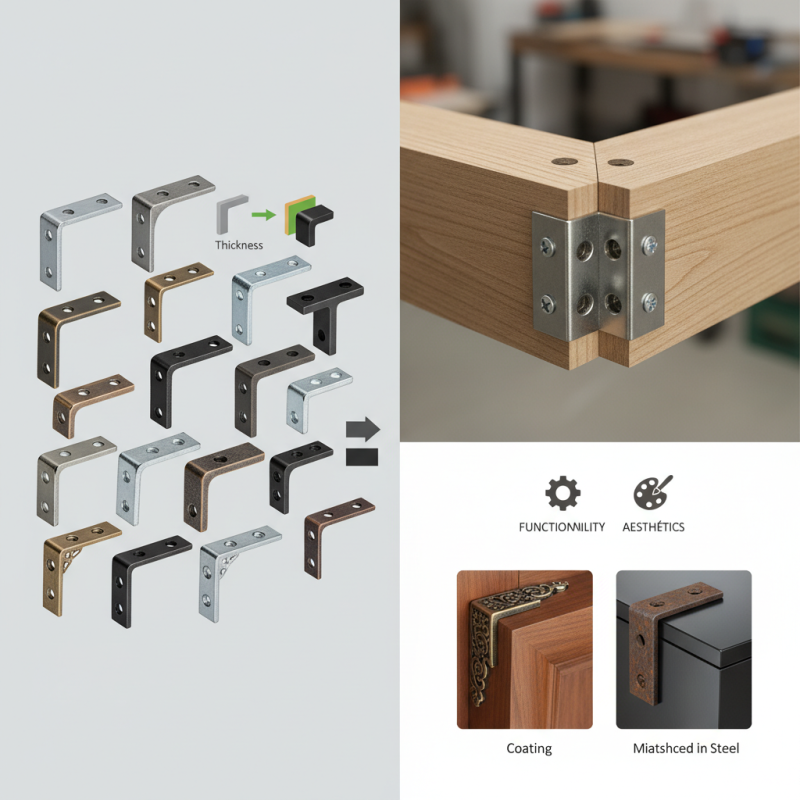
The market offers a wide range of corner braces, each varying in size, material, and design. A sturdy corner brace can dramatically enhance a structure's integrity. However, many overlook the subtle details that define quality. For instance, the thickness of the metal and the type of coating can greatly affect durability.
While functionality is key, aesthetics also play a role. A well-chosen corner brace can add a touch of elegance. However, using mismatched styles can ruin the overall look. It’s important to reflect on your choices and ensure they align with both your project's goals and your personal taste.
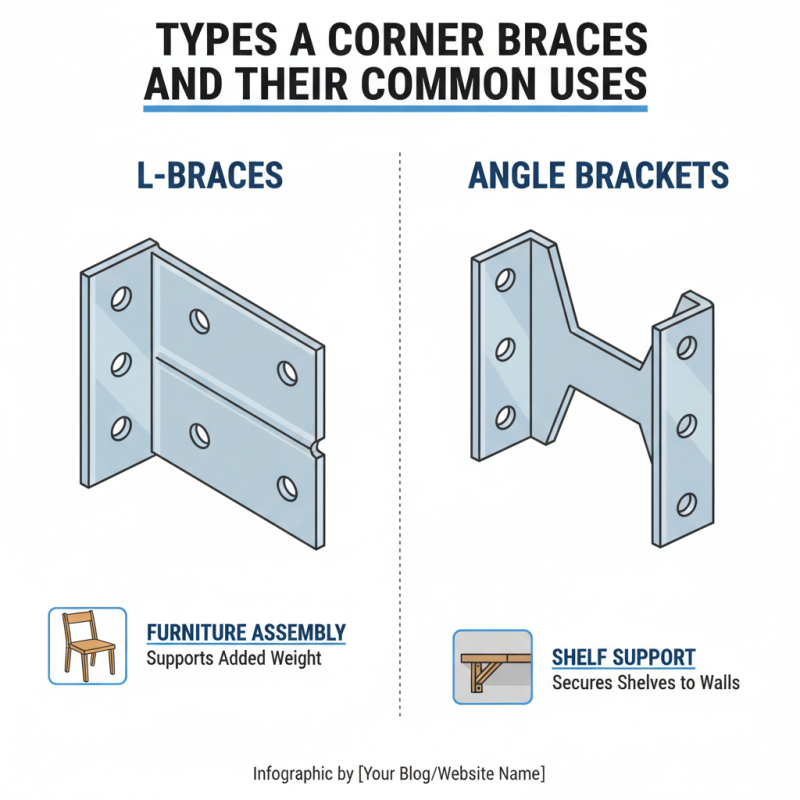
Types of Corner Braces and Their Common Uses
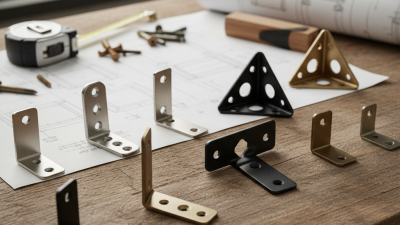
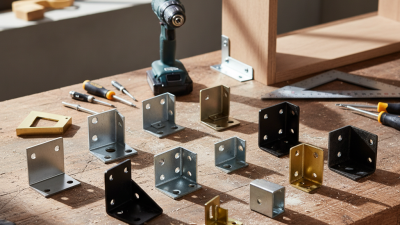
Corner braces are essential for many projects, providing stability and strength to joints. Various types cater to specific needs. L-braces are common in furniture assembly. They support added weight without compromise. Angle brackets are great for securing shelves to walls. They offer both protection and a neat finish.
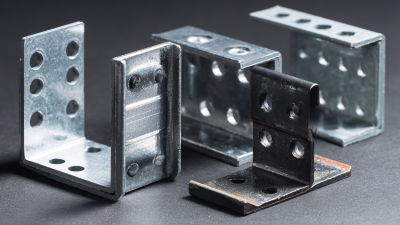
Another option includes heavy-duty braces. These are best when maximum strength is required. They work well in construction and larger projects. For lightweight tasks, consider corner gussets. They are easy to install and ideal for quick fixes.
Tips: Always choose the right material based on your project. Metal braces work best for heavy items. Wood braces can be sufficient for lighter tasks. Measure your space accurately to ensure the braces fit well. A common mistake is misjudging weight limits. Reinforcing joints is vital, but overbuilding can waste materials. Balance is key.
Key Factors to Consider When Choosing Corner Braces
Choosing the right corner braces for your projects requires careful consideration. These small yet essential supports come in various sizes and materials, impacting their strength and usability. Focus on the load capacity based on your project needs. If you're working with heavy furniture, opt for sturdier braces. However, over-engineering can lead to unnecessary costs and extra weight.
Material is another crucial factor. Metal braces offer durability, while plastic ones are lightweight and corrosion-resistant. Assess the environment where they will be used. Humid or outdoor settings might require weatherproof options. Pay attention to finishes too; a smooth surface can prevent splinters or rust.
Compatibility with your project is key. Measure your wood or material thickness before purchasing. Some braces may require specific screws or fittings. Reflect on your project goals. Are the braces enhancing stability? Or do they clash with your design? It’s worth examining if aesthetics or functionality should take precedence in your decision.
Materials for Corner Braces: Pros and Cons
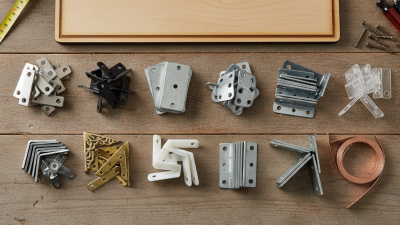
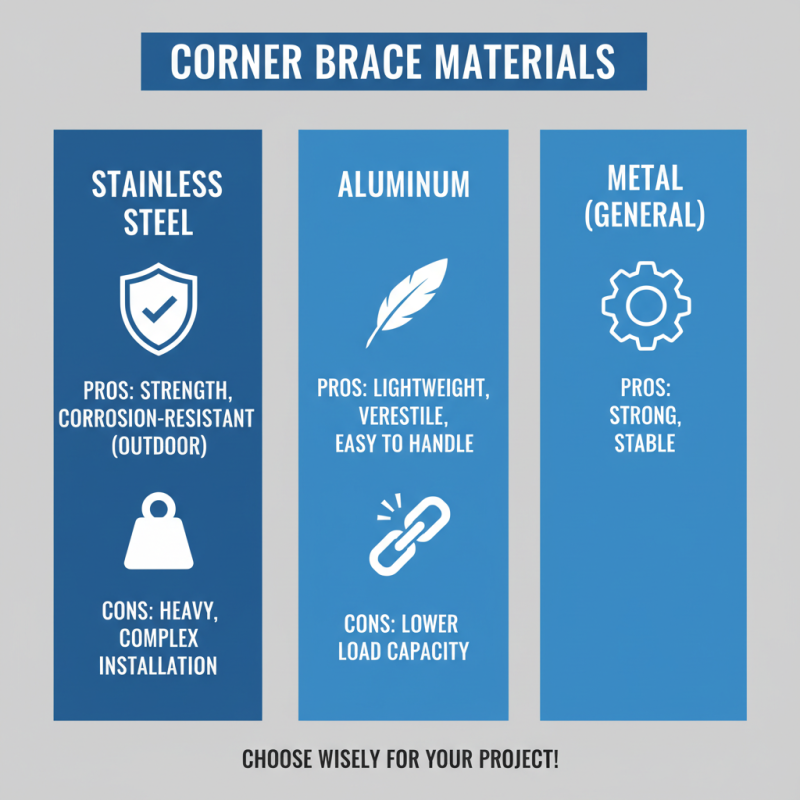
When selecting corner braces for your projects, the material plays a crucial role. Metal is a popular choice. It offers strength and stability. Stainless steel is resistant to corrosion, making it ideal for outdoor use. However, it can be heavier, leading to more complex installations. Aluminum is lightweight and versatile. It is easier to handle, but it may not provide the same load-bearing capacity as stainless steel.
Wooden corner braces can offer a unique aesthetic. They blend well with natural designs but are less durable. Over time, wood may warp or rot. This can undermine the strength of your project. Choosing engineered wood might be a better option. It tends to be more stable and resistant to moisture damage.
Plastic corner braces are lightweight and resistant to corrosion. They are easy to install and often cheaper. Yet, they can lack the strength needed for heavier tasks. Consider the weight of the materials you plan to use. Match them with the right corner brace to ensure reliability. Balancing aesthetics, strength, and longevity is crucial for a successful project.
Installation Tips for Effective Use of Corner Braces
When installing corner braces, attention to detail is crucial for effective use. These braces are designed to provide support and increase the stability of structures. However, improper installation can lead to weaknesses in the overall integrity. According to industry studies, nearly 30% of structural failures linked to furniture occur due to inadequate bracing. Ensuring correct placement and secure fastening can prevent such issues.
For best results, start by selecting the right size of corner brace for your project. A tightly secured brace can distribute the load evenly. Use screws specifically designed for the material of your project. Avoid using old or mismatched screws, as they may fail under pressure. Keyhole slots on braces can facilitate easy adjustments. Tighten screws without over-torquing, which might strip the material.
Environmental conditions also impact the effectiveness of corner braces. For instance, humidity can affect wood and metal, leading to expansion or contraction. A study by the Wood Products Council indicates that 22% of projects failed when adjustments were not made for local climate conditions. Regularly check your braces and make necessary adjustments to maintain structural integrity.
Maintenance and Care for Long-lasting Corner Braces
When it comes to corner braces, regular maintenance is crucial for longevity. Studies show that improperly maintained hardware can fail in as little as two years. Proper care can extend their life significantly. It's essential to inspect your braces periodically for signs of wear and corrosion. Moisture can be particularly harmful, leading to rust if the braces are metal.
Tips for maintaining your corner braces include cleaning them regularly with a mild detergent and water. Ensure they are always dry after cleaning. Consider applying a protective sealant to metal braces to prevent rust. For wooden braces, keep them away from excessive moisture to avoid warping.
Moreover, proper installation affects the durability of corner braces. Data reports indicate that 80% of failures stem from improper fitting or incorrect screw placement. Ensure that braces are securely fastened to the structure. Over time, check the screws and tighten them if necessary. Neglecting these details can lead to unexpected failures.
Best Corner Braces for Your Projects: What to Consider? - Maintenance and Care for Long-lasting Corner Braces
| Material |
Load Capacity |
Size |
Finish |
Maintenance Tips |
| Steel |
200 lbs |
3x3 inches |
Zinc-coated |
Wipe with a damp cloth; check for rust biannually. |
| Aluminum |
150 lbs |
2x2 inches |
Anodized |
Clean with a mild soap solution; avoid abrasive materials. |
| Plastic |
50 lbs |
4x4 inches |
Colored |
Dust regularly; check for cracks every few months. |
| Wood |
100 lbs |
5x5 inches |
Varnished |
Keep dry; inspect for insect damage yearly. |