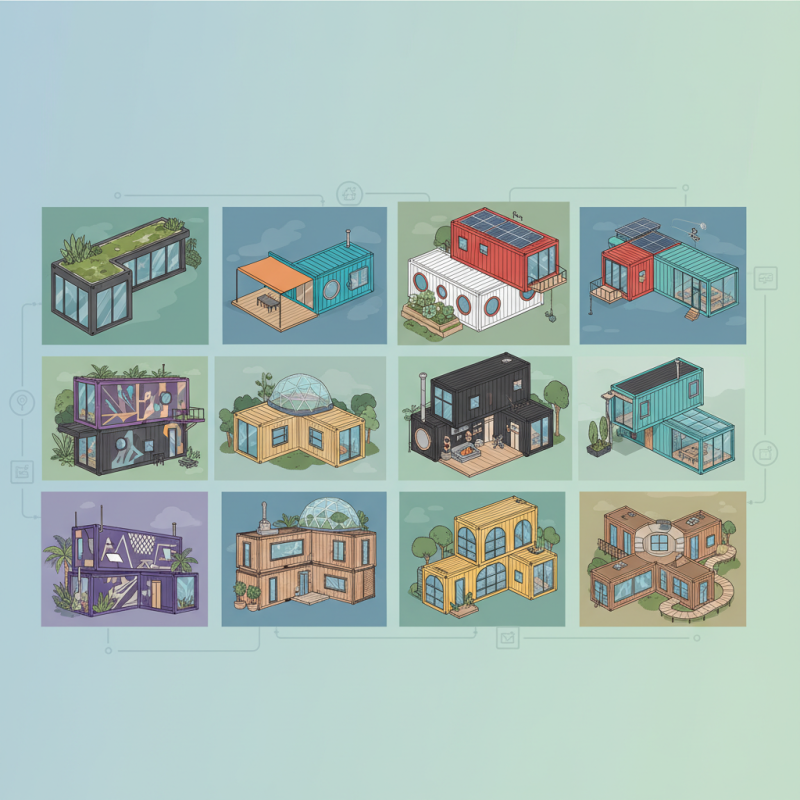
10 Best Prefab Container House Designs to Build Now?
In recent years, the Prefab Container House has emerged as a popular option for modern living. Its unique design and eco-friendly attributes attract many homeowners. These houses offer a perfect blend of functionality and style.
A Prefab Container House is not just about convenience; it invites creativity. Some designs showcase sleek, minimalist aesthetics, while others incorporate vibrant colors and patterns. Each model tells a story, sparking inspiration for those seeking innovative living solutions.
However, potential drawbacks exist. Space can be limited, and customization may require extra effort. Buyers often need to rethink their living habits. As we explore the ten best designs, consider how they might fit your lifestyle. Balancing beauty and practicality is essential in this exciting housing trend.
Overview of Prefab Container Houses and Their Benefits
Prefab container houses have gained popularity for their sustainability. They re-use shipping containers, reducing waste. According to a report by the International Energy Agency, buildings account for nearly 40% of global energy-related carbon dioxide emissions. Using containers cuts down on new materials and energy consumption in construction.
One major advantage is the speed of assembly. These homes can be built in weeks, rather than months. A study from the National Association of Home Builders indicates that prefabricated structures can save on labor costs by up to 30%. However, not every design suits every environment. Urban areas may have zoning restrictions. Lack of customization could lead to homes that don’t meet specific needs.
Tip: Consider the local climate when designing your container home. Insulation is key. Poor insulation can lead to discomfort and higher energy bills. Proper ventilation also plays a vital role in maintaining a healthy indoor environment.
Though container houses are eco-friendly, they do have drawbacks. Rust and corrosion must be addressed. Potential buyers should think through maintenance costs. Also, container homes often lack traditional aesthetics, which could deter some homeowners. It’s essential to reflect on personal preferences before diving in.
Key Features to Consider in Container House Designs
When considering a prefab container house, key features matter significantly. Space utilization is crucial. Containers offer limited space, so thoughtful layout design is essential. Open floor plans can create an illusion of larger spaces. Multifunctional furniture can help save room while adding style.
Natural light enhances a container’s appeal. Window placement is vital. Large windows create bright and inviting interiors. They connect the house to the outdoors. Efficient insulation is another important factor. Ensuring the home stays warm in winter and cool in summer can save energy costs.
Sustainability features are increasingly popular in container design. Solar panels and rainwater collection are practical additions. However, not all designs accommodate these features easily. Some might overlook structural concerns when integrating such elements. This requires careful planning and creativity. Balancing aesthetics and functionality in a container house is challenging yet rewarding. Consider these aspects when exploring design options.
Top 10 Innovative Container House Designs for Modern Living
Container houses are redefining modern living. They blend sustainability and innovative design. Imagine living in a space crafted from repurposed shipping containers. This idea isn't just eco-friendly; it offers unique aesthetics too. Many designs prioritize open layouts, large windows, and multifunctional spaces. These features allow ample natural light, creating a warm atmosphere.
However, building a container home comes with challenges. Insulation can be tricky. Without proper handling, they can become too hot in summer or icy in winter. You might also need to ensure structural integrity when modifying containers. Some designs overlook these practicalities, leading to issues later. It’s crucial to consider local regulations and zoning laws. They vary greatly and can complicate your building process.
The best designs also incorporate outdoor spaces. A small deck or garden area can enhance your living experience. It’s about finding a balance between style and comfort. Reflect on how you want to use your space. Some designs may prioritize aesthetics over functionality, which can lead to frustration. Think critically about what truly matters in your home.
Sustainability and Eco-Friendliness in Container Home Construction
Container homes are gaining popularity. They offer unique designs and efficient use of materials. One major advantage is sustainability. These homes can be built with recycled materials. This reduces waste and supports eco-friendliness.
However, challenges exist. Not all containers are suitable for living. Proper insulation is crucial. Some designs may overlook important features, like ventilation. Without proper planning, the benefits may be lost. Think about layout and space management.
Innovative designs can enhance sustainability. Green roofs and solar panels are great additions. They increase energy efficiency and reduce utility costs. Natural light is essential too. Large windows can lessen the need for artificial lighting. Balancing aesthetics with functionality is key. There’s room for improvement in every design. Careful consideration ensures these homes remain eco-friendly.
Container Home Designs Sustainability Ratings
Cost Considerations and Budgeting for Your Container House Project
Building a prefab container house is an exciting venture, but budgeting can be tricky. The cost often varies based on location, design, and size. Standard shipping containers average between $2,000 and $5,000. However, this is just the beginning. Additional expenses like insulation, plumbing, and electricity can add up quickly. You might find yourself spending over $20,000 for a comfortable and functional home.
Make sure to research your options thoroughly. Often, DIY projects can save money but may require significant time and effort. Think about local labor costs, permits, and foundation requirements. Unexpected issues may arise during construction, leading to unplanned expenses. For some, it’s a learning experience; for others, it can be overwhelming.
Plan for extra costs, but don't let unforeseen challenges discourage you. A flexible budget can alleviate stress. If your vision feels out of reach, scale it back. Smaller designs can still be stunning and practical. Reflect on what’s most important in your container home. Prioritizing essential features may lead to a more fulfilling result.