How to Choose Flight Case Corners for Maximum Protection?
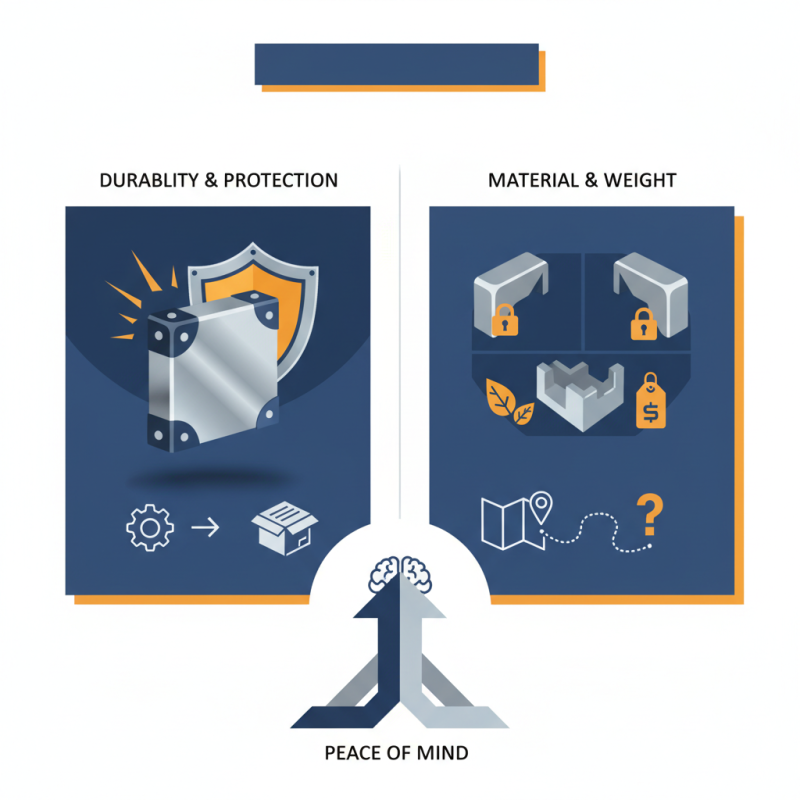
When selecting flight case corners, making the right choice is crucial for your equipment's safety. Flight case corners must provide maximum protection against impacts and wear. A durable corner can mean the difference between a well-protected item and costly damage.
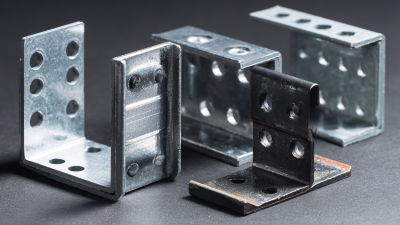
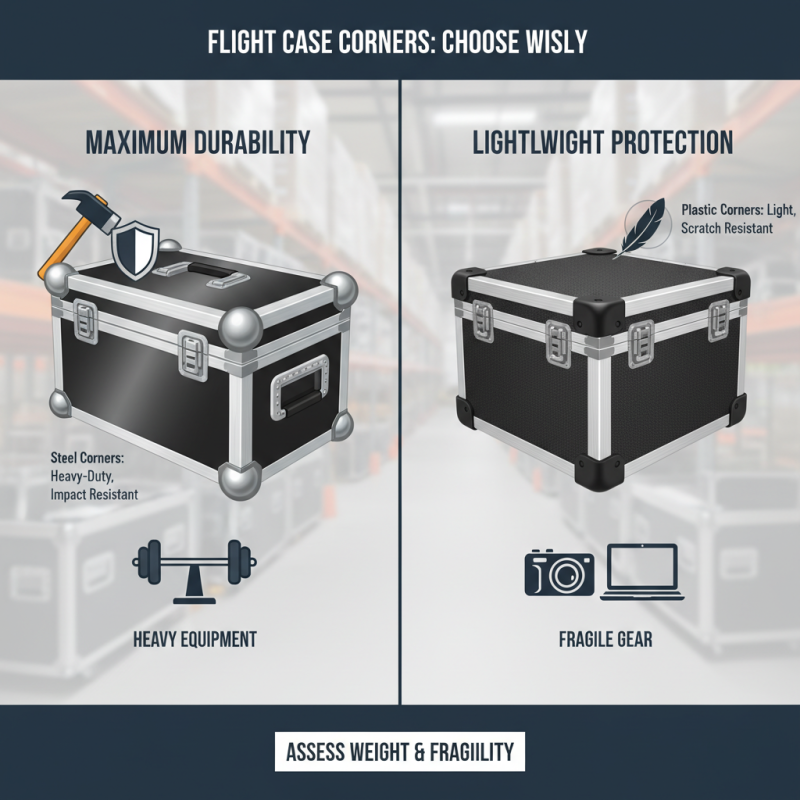
The market offers various types of flight case corners, each with unique features. Some corners are made from steel, while others use plastic. Steel corners often offer superior durability, while plastic corners can be lighter and more economical. Consider your travel conditions to choose the right material.
However, the choice isn't always clear-cut. Many users might overlook the importance of their flight case corners. They may choose corners based solely on appearance rather than functionality. Reflect on what truly protects your gear. Investing in quality corners is an investment in your peace of mind.
Understanding the Importance of Flight Case Corners in Protection
Flight case corners play a crucial role in protecting your equipment. These corners absorb impacts and prevent damage from falls or bumps. Without proper corners, the entire flight case's integrity weakens. The right corners can make a huge difference during transport.
When selecting flight case corners, consider the material. Durable plastics and metals often provide better resistance against stress. Shape also matters; rounded corners might offer better shock absorption than sharp ones. Evaluate the case’s use and choose corners that match your specific needs.
Tips: Look for corners that feature reinforcement. This extra strength can help during heavy handling. Always check the weight rating of the corners. If they are too light for your equipment, rethink your choice. Remember, not all corners are created equal. Inadequate corners may lead to costly repairs or replacements later. Examine your options carefully before making a decision.
Types of Flight Case Corners: Which is Right for Your Equipment?
When it comes to protecting valuable equipment, choosing the right flight case corners is crucial. There are various types of corners, each serving different needs. For example, steel corners provide maximum durability and resistance to impact. They’re ideal for heavy-duty transport. In contrast, plastic corners are lighter and can be sufficient for less delicate equipment. It’s essential to assess the weight and fragility of your gear when deciding.
Tips: Consider your travel conditions. If you transport gear frequently, opt for robust materials. If not, lighter corners might be more suitable.
Moreover, an industry report indicates that around 30% of equipment damage during transport is due to insufficient corner protection. This statistic highlights the importance of choosing wisely. Some may overlook the significance of ergonomics in corner design. Avoid corners that might snag or catch during transport.
Tips: Test different corner types with sample cases to find the best fit. Pay attention to potential weaknesses, as even minor imperfections can lead to major issues. Make sure you prioritize both protection and ease of use.
Material Considerations for Durable and Lightweight Flight Case Corners
When selecting flight case corners, material choices play a crucial role in ensuring both durability and ease of transport. Popular options include aluminum and plastic. Aluminum corners provide robust protection against impact. However, they can add weight to the case. In contrast, plastic corners are lightweight. Yet, their resistance to damage might be less impressive compared to metal.
Consider the purpose of the flight case. If it’s for frequent travel, lightweight materials may be more beneficial. According to industry reports, using lightweight materials can reduce transport costs by up to 20%. It's essential to balance weight and durability to avoid unnecessary strain during transport.
**Tips:** Ensure the corners fit snugly, preventing movement. Check if the material can withstand temperature changes. Some plastic options may crack in extreme conditions. Choose corners that meet your specific needs, whether it’s a trade show or a concert tour. Prioritize materials that are resilient but not overly cumbersome. Small decisions can lead to significant improvements in protection.
Evaluating the Size and Shape Requirements for Flight Case Corners
When choosing flight case corners, size and shape are critical factors. If the corners are too large or bulky, they can create a cumbersome case. Measure your equipment precisely. Consider cushion padding when assessing corner dimensions. The ideal corner should not overwhelm but provide ample protection.
Shapes also matter. Some corners are rounded, while others are angular. Rounded corners may look sleeker, but they could compromise space efficiency. Angular corners can be more effective in absorbing impact but may require careful placement. Evaluate your case's purpose and design.
It’s easy to overlook details like material thickness and rigidity. A corner made from weak materials can fail under stress. Durability may not be evident at first glance, so hands-on testing is essential. Remember that aesthetics can influence decisions but shouldn’t be the only concern. Reflect on every aspect before making your choice.
Installation Tips for Ensuring Optimal Protection with Flight Case Corners
When installing flight case corners, it's crucial to ensure a tight fit. Loose corners can lead to unwanted movement during transport. Begin by carefully measuring the corner areas of your case. Consider using a template to mark drill points accurately. Always check the alignment before fastening anything. A small error can lead to bigger issues later on.
While securing the corners, use washers to distribute pressure evenly. This helps prevent the corners from tearing under stress. Be cautious not to overtighten screws, which can crack the corner materials. It's better to feel a slight resistance than to risk damaging your case.
Remember to inspect the corners regularly. Wear and tear can weaken their structure. If you notice any signs of damage, replace them promptly. Your flight case corners are essential for protection. Proper maintenance is key to maximizing their effectiveness over time.