How to Choose the Right Lift Off Hinge for Your DIY Projects in 2025
In recent years, DIY projects have surged in popularity, with a significant increase in homeowners seeking to enhance their living spaces through custom solutions. According to a 2023 report by the Home Improvement Research Institute, the home improvement market is projected to reach $600 billion by the end of 2025, reflecting a 25% growth since 2020. Within this booming industry, the choice of hardware plays a crucial role in the success of any project, particularly when it comes to doors and cabinetry. One often overlooked yet essential component is the "Lift Off Hinge," which provides both functionality and aesthetic appeal.
Lift Off Hinges offer a unique advantage for DIY enthusiasts, allowing for easy removal and reinstallation of doors without the need for tools. This feature not only simplifies the process of painting or repairing but also enhances mobility and versatility in design. According to industry calculations, incorporating high-quality lift off hinges can improve the durability of installations, reducing wear and tear by up to 30% compared to traditional hinges. As projects become increasingly complex, understanding how to select the right Lift Off Hinge based on factors such as material, load capacity, and finish becomes imperative for achieving long-lasting results in DIY endeavors.

Understanding Lift Off Hinges: Types and Functions
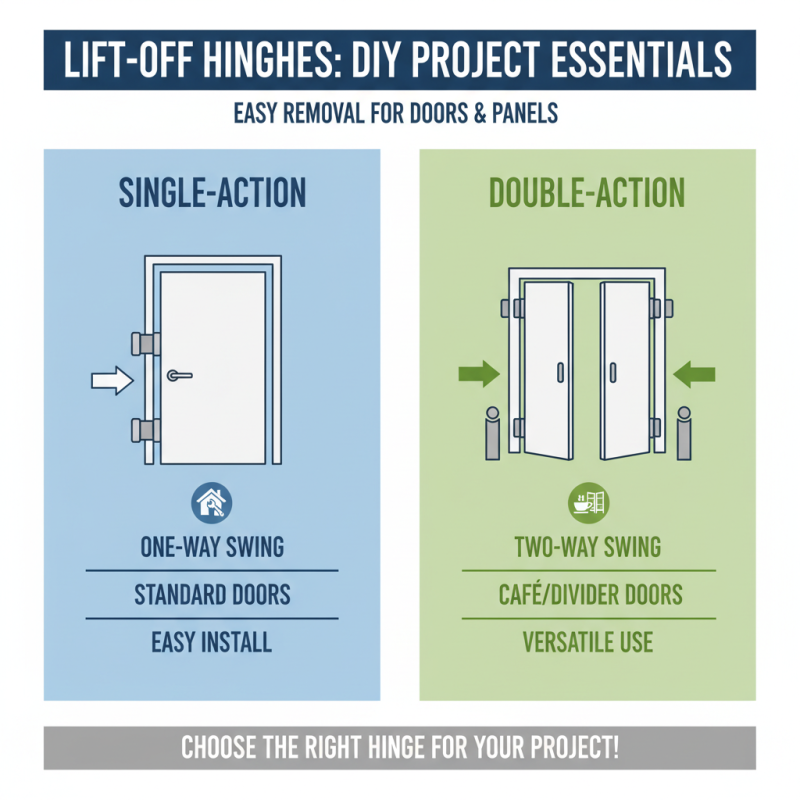
Lift off hinges are a unique and practical addition to various DIY projects, allowing doors or panels to be easily removed when needed. Understanding the different types of lift off hinges is crucial for selecting the right option for your application. There are primarily two types: single action and double action lift off hinges. Single action hinges are designed to allow movement in one direction, making them suitable for standard doors. On the other hand, double action hinges enable doors to swing both ways, making them ideal for applications like café doors or room dividers.
When selecting lift off hinges, consider the materials they are made of, as this can affect their durability and appearance. Common materials include steel, brass, and stainless steel, each offering distinct benefits in terms of strength and resistance to corrosion. Additionally, pay attention to the size and weight capacity of the hinges; heavier doors will require sturdier hinges to ensure they function properly. Understanding these types and their functionalities will greatly assist in making informed decisions and enhancing the usability of your DIY projects in the coming years.
Key Considerations for Selecting Lift Off Hinges in DIY Projects
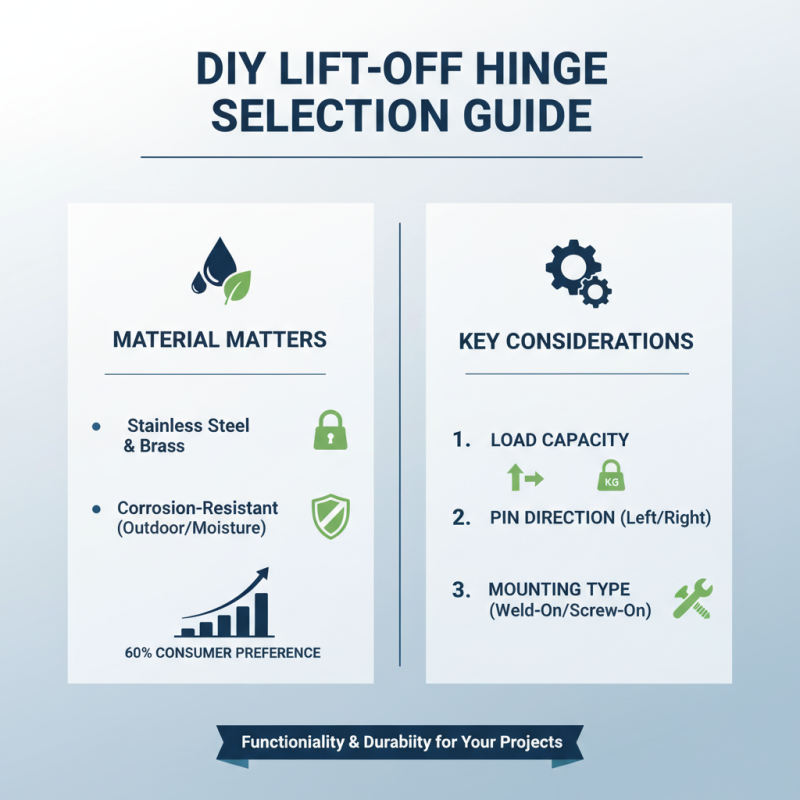
When selecting the right lift off hinge for your DIY projects, there are several key considerations that can significantly influence both functionality and durability. First and foremost, the material of the hinge should be assessed. According to a report by the American Hardware Manufacturers Association, approximately 60% of consumers prioritize corrosion-resistant materials, especially for outdoor or high-moisture environments. Stainless steel and brass hinges are often preferred for their resilience, ensuring longevity even under challenging conditions.
Another critical factor to consider is the weight capacity of the hinge. Different DIY projects require different levels of support; therefore, understanding the weight of the door or panel that the hinge will support is essential. The National Association of Manufacturers emphasizes that proper weight ratings on hinges can prevent premature failure, which accounts for 30% of common hardware issues. This means you should always verify the specifications provided by the manufacturer, particularly for heavy or frequently used doors.
Finally, the hinge's design and functionality should align with your project's aesthetic and practical needs. A report from the DIY Institute reveals that over 70% of DIY enthusiasts favor hinges that not only perform well but also enhance the overall appearance of the project. Consider factors such as whether the hinge will allow for smooth, ease of access and whether it will complement the style of your project, whether it be modern, rustic, or traditional. Making informed choices based on these considerations can lead to more successful and satisfying DIY outcomes.
Material Choices for Lift Off Hinges and Their Impact on Performance
When it comes to selecting the right lift-off hinge for your DIY projects, the material can significantly impact both functionality and durability. Common materials for lift-off hinges include stainless steel, brass, and plastic. Stainless steel is known for its strength and resistance to corrosion, making it a prime choice for outdoor projects or areas exposed to moisture. Brass offers a classic look and good resistance to rust, but it may not perform as well in harsh environments. Plastic, while lightweight and resistant to rust, might not provide the same load-bearing capabilities as metal options.
Tips: Consider your project's specific requirements when choosing a material. For heavy doors or frequent use, opt for stainless steel for its superior strength. If aesthetics is a priority and weight-bearing is not a concern, brass may be an excellent option.
The design and thickness of the hinge also play crucial roles in ensuring optimal performance. Thicker hinges typically provide more stability and durability, which is essential for larger or heavier doors. Additionally, look for features like self-lubricating properties in plastic hinges, which can reduce maintenance over time.
Tips: Always check the weight rating of the hinge to ensure it aligns with your project needs. When in doubt, consult with home improvement resources or forums to gather insights from experienced DIYers.
Material Choices for Lift Off Hinges and Their Impact on Performance
Sizing and Weight Capacity: Ensuring the Right Fit for Your Project
When selecting the ideal lift off hinge for your DIY projects, understanding sizing and weight capacity is critical to ensure functionality and longevity. According to industry studies, improperly sized hinges can result in a 30% higher failure rate during operational load tests. This emphasizes the need for accurate measurements of both the door or gate and the surrounding structure to choose a hinge that adequately supports the weight it will bear.
To determine the appropriate weight capacity, consider that standard lift off hinges can typically support loads ranging from 50 to 600 pounds, depending on their design and material composition. For instance, heavier doors made of solid wood or metal will require hinges with higher weight capacities, as opposed to lighter materials like hollow-core doors. The American National Standards Institute (ANSI) recommends that users perform load calculations based on the overall design and usage scenarios of their projects, ensuring that the selected hinge meets or exceeds the necessary specifications to prevent premature failure or safety hazards. Comprehensive testing shows that adherence to these guidelines can increase the lifespan of the hinge by up to 40%, making careful selection paramount.
How to Choose the Right Lift Off Hinge for Your DIY Projects in 2025
| Hinge Type |
Material |
Size (inches) |
Weight Capacity (lbs) |
Recommended Use |
| Lift Off Hinge A |
Steel |
4 x 3 |
150 |
Interior Doors |
| Lift Off Hinge B |
Stainless Steel |
5 x 4 |
200 |
Exterior Gates |
| Lift Off Hinge C |
Aluminum |
3 x 3 |
100 |
Cabinet Doors |
| Lift Off Hinge D |
Brass |
6 x 5 |
250 |
Heavy Duty Gates |
Installation Tips and Best Practices for Lift Off Hinges in 2025
When installing lift off hinges for your DIY projects in 2025, proper preparation is key to ensuring a smooth and functional setup. Begin by selecting the right type of lift off hinge that suits your project’s requirements, as various designs are available for different applications. Make sure to measure the door and frame accurately, taking into account the weight of the door and the clearance needed for easy operation. It’s advisable to pre-drill holes for the screws to avoid splitting the wood, which can sometimes happen with solid materials.
During installation, ensure that the hinges are aligned perfectly to avoid any misalignment issues that could cause doors to sag or not operate smoothly. Use a level to check that the door is sitting evenly within the frame. Start by attaching the hinge to the frame first, followed by the door, and adjust as necessary to attain the perfect balance. Additionally, applying a lubricant to the hinge after installation can enhance the door’s movement, providing a quieter and more efficient operation. Properly following these techniques will help you achieve a successful installation of lift off hinges, improving the overall functionality of your DIY project.