How to Choose the Right Adjustable Toggle Clamp for Your Projects?
Choosing the right Adjustable Toggle Clamp can significantly impact your project's efficiency and effectiveness. These clamps provide a reliable solution for securing workpieces during various tasks. However, selecting the right model requires careful consideration.
Begin by assessing the specific needs of your project. Different designs cater to diverse applications. The size, material, and range of motion all play crucial roles. An Adjustable Toggle Clamp should fit your workpiece comfortably to maximize its holding power. Too small, and it may fail. Too large, and it could be cumbersome.
Many users often overlook the importance of the clamp's capacity. Ensure it can handle the weight of your materials. It’s wise to read user reviews and seek recommendations. Remember, experimentation might lead to unexpected discoveries. Not every clamp will suit every job. By reflecting on what works and what doesn't, you'll find the perfect Adjustable Toggle Clamp for your needs.
Understanding the Basics of Adjustable Toggle Clamps
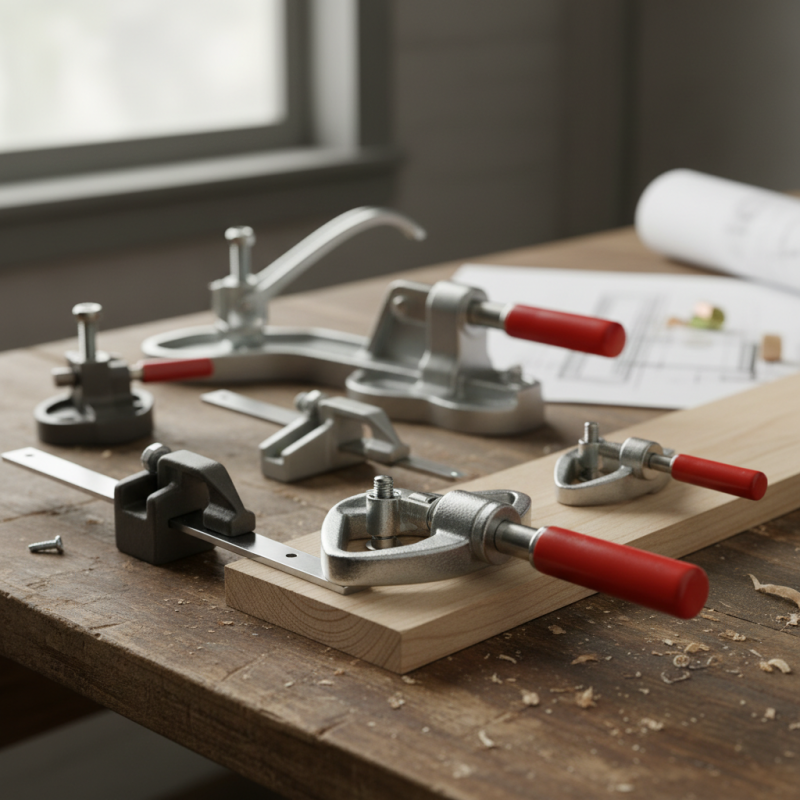
Adjustable toggle clamps are essential tools for many projects. They provide efficient fastening solutions for various applications. These clamps typically consist of a handle, a pivot arm, and a base. When the handle is pressed down, the clamp tightens quickly. This mechanism ensures secure holding without excessive force.
Understanding the mechanism is crucial. Many users overlook the adjustment features. The clamp's capacity can vary based on how it is set. Adjusting the pivot point can enhance or reduce clamping pressure. However, improper adjustments may lead to slippage or insufficient grip. This aspect requires careful consideration to avoid mishaps during work.
Another important feature is the material. Different projects may need various materials for optimal performance. Steel clamps are strong but can be heavy. Aluminum clamps offer lightweight solutions but may be less durable. Choosing the right material can greatly impact usability and efficiency. Take time to reflect on the specific needs of your project.
Factors to Consider When Selecting a Toggle Clamp
When selecting an adjustable toggle clamp, clarity is key. Consider the size of your project first. A clamp that is too large can be cumbersome. Alternatively, a small clamp may not provide enough pressure. Think about the material you will be working with. Whether you are working with wood or metal will impact your choice.
Next, look at the clamp's holding capacity. Each project has different requirements. If the clamp cannot hold the weight, it is useless. Pay attention to the design as well. Some clamps offer better ergonomics, making them easier to operate. A difficult-to-use clamp can lead to frustration and wasted time.
Finally, don't overlook the toggle action mechanism. This part can vary widely. Some clamps are smoother than others. A clunky action may hinder productivity. Testing different options can reveal your preferences. You might find that your ideal clamp is not what you expected. Keep an open mind and reassess your needs as you progress.
Types of Adjustable Toggle Clamps and Their Applications
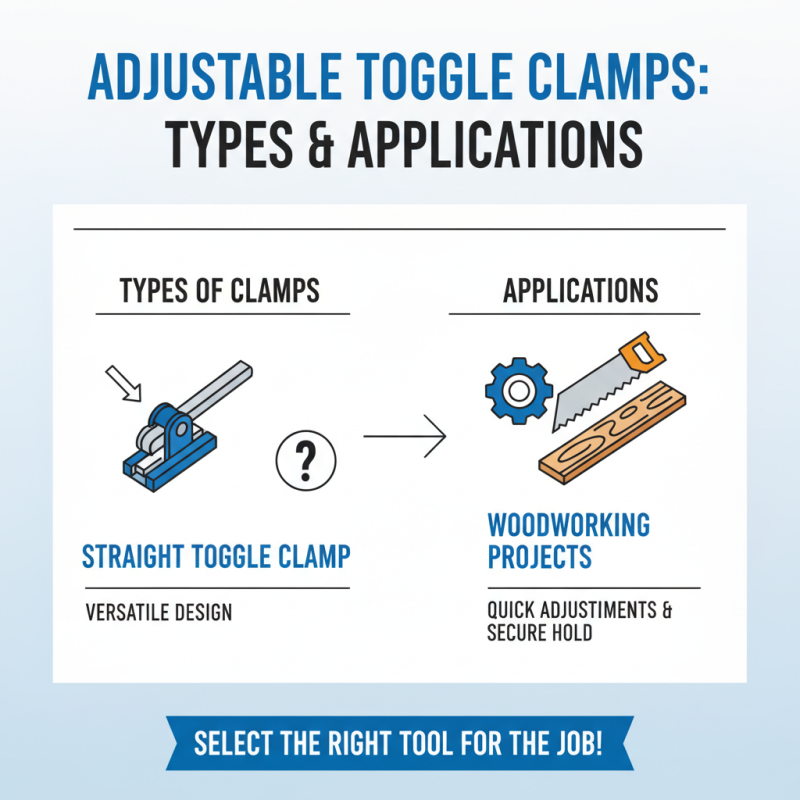
When selecting an adjustable toggle clamp, understanding the types and their applications is crucial. There are several types of clamps. Straight toggle clamps are versatile. They are perfect for woodworking projects. Their simple design allows for quick adjustments and secure holding.
Swing clamps, on the other hand, are ideal for vertical applications. They can pivot out of the way, making them great for complex setups. A recent industry report indicates that using swing clamps can increase efficiency by up to 30% in assembly lines. This is a significant improvement for manufacturers looking to enhance productivity.
Tips: Always consider the specific application. Ensure the clamp's capacity matches the project's demands. Test the clamp with a few adjustments before the final setup. Choosing the wrong type can lead to frustration. Too much force can damage components.
Lastly, remember that not all clamps fit every situation. It’s good to have various types on hand. Sometimes, what works best isn't the first choice. Experiment with different options to find the perfect fit for your needs.
Evaluating the Load Capacity and Strength Requirements
When selecting an adjustable toggle clamp, load capacity is crucial. Each project demands specific strength requirements. Consider the weight of materials you will use. For instance, heavier materials need a clamp that can support more force. Always check the manufacturer’s specifications. This information helps ensure safety and efficiency.
Tips: Choose clamps with a higher load rating than you think you need. This extra capacity allows for unexpected stress during use. Also, remember that clamp strength can vary with the angle of application. Different angles may reduce the effective load capacity.
Strength is not just about load ratings. Think about the materials involved. Steel clamps are tougher than aluminum ones. But sometimes, aluminum clamps are lightweight and easier to handle. Analyze your project's needs carefully. Misjudging your requirements can lead to project delays.
Load Capacity Comparison of Adjustable Toggle Clamps
Best Practices for Using Adjustable Toggle Clamps in Projects
When using adjustable toggle clamps, best practices can significantly enhance project efficiency. According to industry reports, incorrect clamp selection can lead to a 20% decrease in productivity. This highlights the importance of understanding different clamp types. Use clamps that match your specific applications. Consider the weight of materials. Heavier items need stronger clamps for stability.
Adjustable toggle clamps should be positioned correctly for optimal performance. Positioning them too close or too far can affect grip. The angle at which the clamp engages the workpiece also matters. A survey found that 30% of workplace accidents involve improper clamp use. Properly maintaining equipment is equally crucial. Regular inspections can help identify wear or damage. Ignoring this can lead to unexpected failures and project delays.
Experimenting with various settings is beneficial. Sometimes, adjustments may seem minor, but they can greatly influence results. Reflect on past projects where clamps failed. Analyze what went wrong and how better practices could mitigate these issues. Learning from these experiences can guide future choices and enhance overall project outcomes.