How to Choose the Right Lift Off Hinge for Your Project?
Choosing the right lift off hinge for your project can greatly affect its functionality. According to industry expert John Turner, “Using the right lift off hinge ensures durability and ease of use.” Lift off hinges serve an essential role in many applications. They allow doors to be removed easily for maintenance or replacement.
When selecting a lift off hinge, consider the material and weight capacity. Different projects require unique specifications. For instance, a heavy door demands a strong hinge. Also, installation instructions can vary. Some may require specific tools or skills, which can complicate the process.
Evaluating your options is crucial to avoid mistakes. Many overlook the importance of proper sizing and load-bearing capabilities. This can lead to future issues with door alignment or support. Therefore, investing time in understanding lift off hinge details pays off. Each project has unique requirements. Make sure to assess these carefully to ensure a successful outcome.
What Are Lift Off Hinges and Their Applications in Projects?
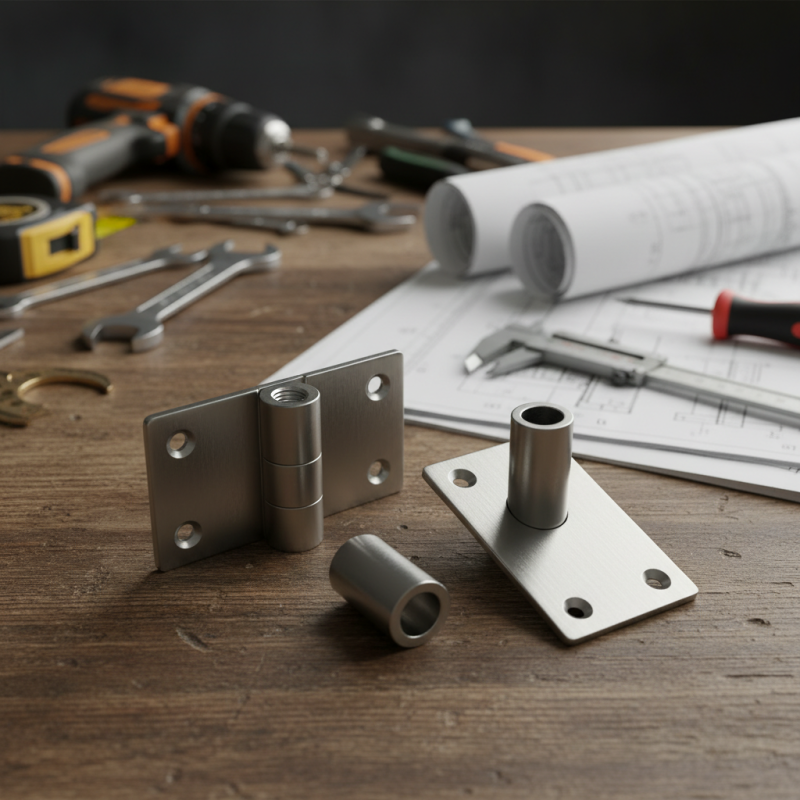
Lift off hinges are specialized hardware components that allow doors or panels to be removed easily. They consist of two interlocking parts: one attached to the door and the other to the frame. This design lets the door swing open and then lift off the hinge entirely. These hinges are widely used in various applications, including cabinets, gates, and industrial settings where access is essential.
When considering lift off hinges for a project, it's important to determine the type of material you'll use. Common options include steel, brass, and aluminum. Each material offers different durability and weight capacities. Engineers should also consider the hinge's load rating, ensuring it can support the weight of the door or panel effectively.
Another factor to reflect on is the environment where the hinge will be installed. If the application is outdoors, corrosion-resistant materials may be necessary. Additionally, the aesthetics of the hinge can affect the overall look of the project. Some may favor a polished finish, while others might prefer a more industrial appearance. Ultimately, the right choice depends on balancing functionality, style, and environmental conditions.
Key Factors to Consider When Selecting Lift Off Hinges for Durability
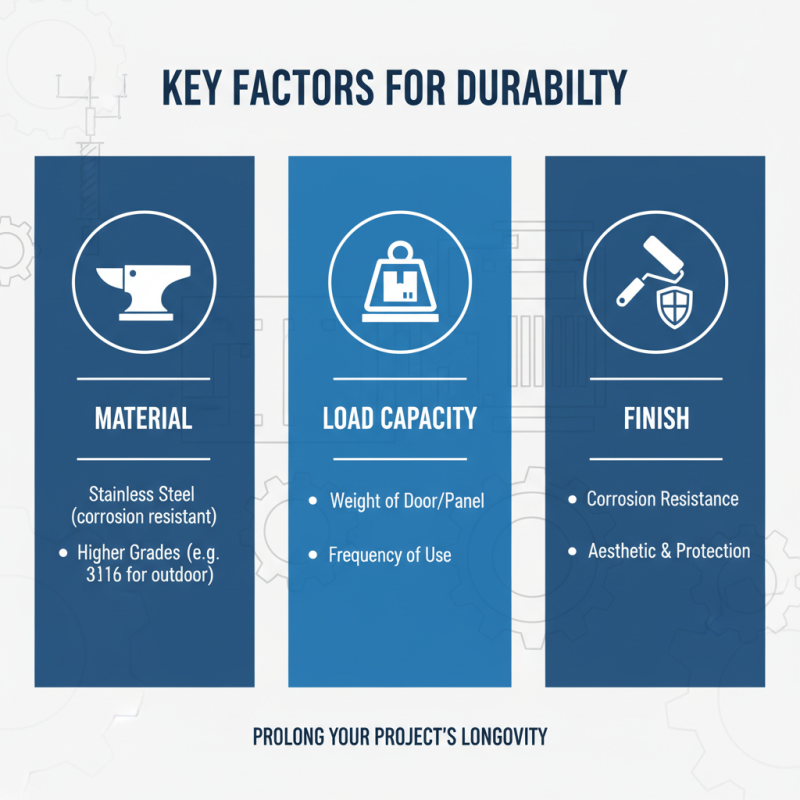
Choosing the right lift off hinge can significantly affect the functionality and longevity of your project. Durability is paramount when selecting these components. Factors like material, load capacity, and finish are crucial. Stainless steel options resist rust and wear, making them ideal for outdoor use. However, not all stainless steel is created equal. Look for hinges with higher grades that offer better protection against corrosion.
Pay attention to the load capacity. Each hinge has a specific capability. Misjudging this can lead to hinge failure. It's important to consider the weight of the door or the object being supported. Additionally, the finish matters too. A properly finished hinge not only adds to the aesthetic but also improves resistance to tarnishing and scratches. Some finishes may not hold up well in harsh environments.
Take time to review the installation process. Complicated installs can lead to mistakes. Choosing a hinge that is easy to install can save headaches down the line. Reflect on potential challenges. Sometimes, simpler designs may be more suitable for specific applications. Don't overlook these details; they can make a world of difference in your project's success.
Understanding Load Ratings and Weight Limitations for Lift Off Hinges
When selecting lift-off hinges, understanding load ratings and weight limitations is essential. A lift-off hinge must support the weight of the door while maintaining functionality. According to industry reports, the average load rating of standard lift-off hinges ranges from 100 to 300 pounds. This variability is critical for projects involving heavier doors.
When assessing a hinge's load capacity, consider the door size and material. A solid wood door may weigh significantly more than a hollow core door of the same size. For instance, a 36-inch solid wood door can weigh around 80 to 100 pounds. This means that selecting a hinge with a rating above 100 pounds is crucial for safety.
Moreover, manufacturers often recommend using multiple hinges for heavier applications. Using two or more hinges can distribute the load more effectively. This approach minimizes the risk of premature wear or operational failure. It's also important to evaluate the quality and material of the hinge. While cheaper options exist, investing in high-quality hinges can provide better long-term reliability. Failing to do so may lead to unexpected issues, such as door misalignment or function loss.
Different Materials for Lift Off Hinges: A Comparison of Strength and Cost
When selecting lift off hinges, material choice significantly impacts strength and cost efficiency. Common materials include stainless steel, brass, and plastic. Each material has unique attributes that affect its application.
Stainless steel offers durability and corrosion resistance, making it ideal for outdoor use. Reports show that it withstands temperatures up to 1200°F, although it can be more expensive.
Brass hinges provide a classic appearance and good corrosion resistance, but they are less durable than stainless steel. They have a tensile strength of about 50,000 psi, comparable to many construction materials. However, frequent exposure to harsh elements may lead to tarnishing.
Conversely, plastic hinges are lightweight and low-cost. They work well in projects that require minimal weight but offer much less durability.
Tips: Always consider the environment where the hinge will be used. For heavy doors, opt for stronger materials. Frequent use might call for higher durability. Evaluate your project thoroughly to avoid costly mistakes. Not every material will suit all projects. Balancing cost and strength is crucial.
Installation Techniques: How to Properly Install Lift Off Hinges for Optimal Use
When installing lift off hinges, precision is key. Start by selecting the right type of hinge for your project. Measure the door and frame accurately. Ensure the hinge is rated for the weight of your door. A mismatch can lead to functional issues later. Keep the surface clean to ensure a sturdy fit.
Position the hinge so that it aligns perfectly with your door. Use a level for accurate placement. Drill pilot holes before inserting screws. This helps prevent splitting the wood. Don’t rush this step; a small error can affect the door’s movement. After installation, test the door. Check for smooth operation. Make adjustments if needed.
Sometimes, hinges wear out over time. Regular inspection is crucial. Look for signs of rust or wear. Lubricate hinges to maintain performance. Ensure that the door swings freely without sticking. If issues arise, reassess the hinge type and placement. It's a learning process, and reflecting on mistakes can lead to better results next time.