How to Choose the Best Flight Case Hinge for Your Needs and Applications
Choosing the right "Flight Case Hinge" for your specific needs is crucial for ensuring the longevity and functionality of your equipment. As an industry expert, John Smith, who has over 15 years of experience in the design and manufacturing of protective cases, once said, "The right hinge can make all the difference in protecting your gear during transport." With various options available, from heavy-duty steel options to lightweight plastic designs, it's essential to understand the application and environment in which your flight case will be used.
When selecting a Flight Case Hinge, one must consider factors such as the weight to be supported, environmental exposure, and frequency of use. High-quality hinges not only provide durability but also enhance the overall security and ease of access to the contents of the case. Each choice comes with its unique benefits and potential drawbacks, making it imperative for users to assess their requirements before making a purchase.
In this guide, we will explore the different types of Flight Case Hinges available, along with expert insights on best practices for selection. By understanding the nuances of hinge selection, you can ensure that your flight case meets the demands of your particular application while providing the protection necessary for your valuable equipment.
Understanding the Importance of Flight Case Hinges in Equipment Protection
Flight case hinges play a crucial role in the protection and longevity of your equipment. These components are often overlooked, yet they serve as the backbone of a flight case, ensuring that the case remains secure during transport and use. A high-quality hinge can make a significant difference in the durability of the case, preventing wear and tear that can lead to equipment damage. When equipment is moved frequently, the stress placed on hinges can be substantial, highlighting the importance of choosing the right materials and designs that can withstand these pressures.
Understanding the different types of hinges available is essential in selecting the most appropriate option for your specific needs. Factors such as weight capacity, corrosion resistance, and ease of handling should be considered. For instance, heavy-duty hinges may be required for larger, more expensive equipment, while lighter, more flexible options might suffice for smaller, less fragile items. Additionally, the design of the hinge can influence how well the case seals against dust and moisture, further protecting valuable equipment from the elements. By prioritizing quality hinges in your flight case setup, you can ensure that your gear remains safe and functional, no matter where your travels may take you.
Key Materials Used in Flight Case Hinges and Their Durability Ratings
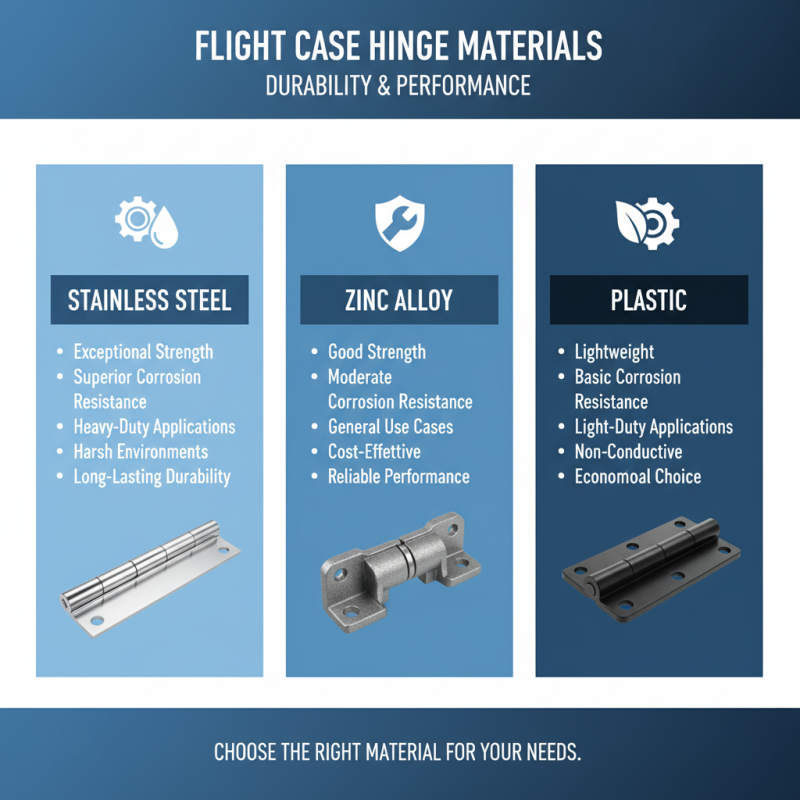
When selecting flight case hinges, understanding the key materials and their durability ratings is crucial to ensure longevity and performance. Common materials used for flight case hinges include stainless steel, zinc alloy, and plastic. Stainless steel hinges offer exceptional corrosion resistance and strength, making them ideal for heavy-duty applications where durability is paramount. Their robust nature allows them to withstand harsh environments, including outdoor conditions and frequent travel, making them a preferred choice in the industry.
Zinc alloy hinges provide a balance between cost and performance, offering moderate strength and resistance to wear. While not as durable as stainless steel, they are suitable for lighter applications and environments where exposure to moisture and harsh chemicals is limited. On the other hand, plastic hinges are lightweight and often more affordable, making them a choice for cases that don’t require the same level of durability. However, they may not withstand heavy loads or extreme conditions, hence their use should be carefully considered based on the specific application and frequency of use. Evaluating these materials and their durability ratings is essential for determining the most suitable hinge for individual needs and ensuring the reliability of flight cases.
Assessing Load Capacity: Choosing the Right Hinge for Your Equipment
When selecting a flight case hinge, assessing load capacity is paramount to ensure the safety and longevity of your equipment. The load capacity of a hinge determines how much weight it can support without compromising its integrity. To start, you need to evaluate the total weight of the equipment that will be housed within the case. This includes not just the weight of the equipment itself, but also any additional accessories or components that may be included. A thorough understanding of the weight distribution within the case will guide you in choosing a hinge that meets the required specifications.
In addition to load capacity, consider the type of application the flight case will encounter. For equipment that is frequently transported or subjected to rough handling, it may be beneficial to select a hinge designed to withstand higher stress and wear. Factors such as material composition and hinge design can significantly affect performance under load. Stainless steel or heavy-duty alloys, for example, often provide better durability and corrosion resistance, which is crucial for maintaining function over time. Ultimately, ensuring that your hinge is appropriately rated for the specific loads and usage scenarios will help preserve your equipment and enhance the overall performance of the flight case.
Different Hinge Designs: Benefits of Continuous vs. Standard Hinges
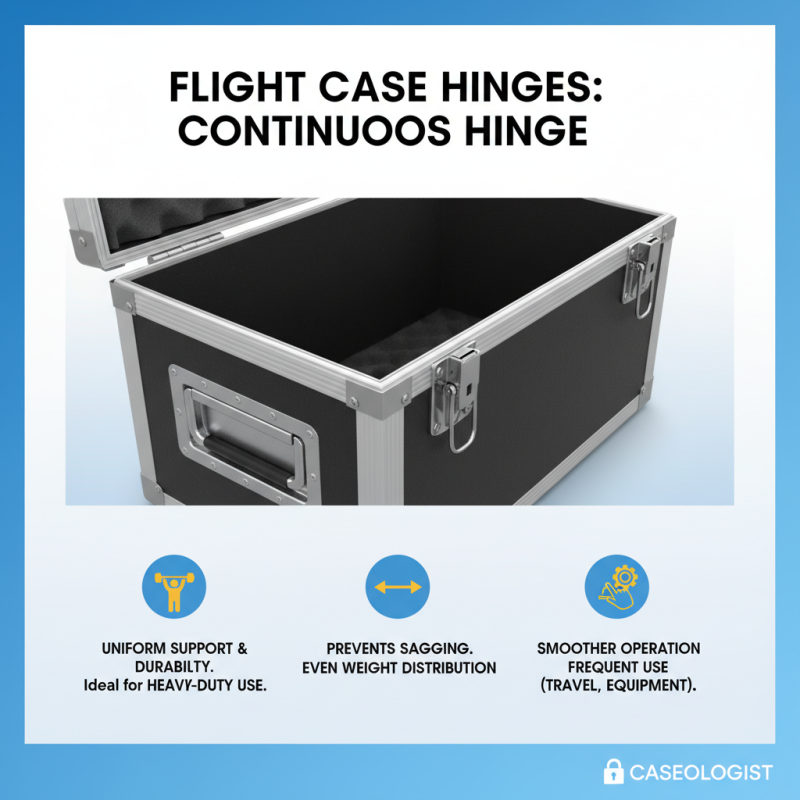
When selecting the best flight case hinge for your needs, it's essential to understand the various hinge designs available and their suitable applications. Continuous hinges, also known as piano hinges, run the entire length of the door or lid, providing uniform support and increased durability. This design is particularly beneficial for heavy-duty applications where added strength and stability are required. The continuous surface helps prevent sagging, distributing the weight evenly and enhancing the lifespan of the hinge. Moreover, these hinges allow for smoother operation, making them ideal for frequent use in environments like traveling cases or equipment transportation.
On the other hand, standard hinges, or butt hinges, are typically installed at fixed points and provide a classic pivot point. While they may be simpler and more cost-effective, they can sometimes lack the stability offered by continuous hinges, particularly in larger flight cases. However, standard hinges can be advantageous in situations where weight is a concern, and if the case is designed for occasional use rather than heavy daily handling. Understanding these fundamental differences can help you choose the right hinge type based on your specific needs, ensuring your flight case is both functional and durable.
Cost vs. Quality: Evaluating Price Points in Flight Case Hinge Selection
When selecting flight case hinges, one of the crucial considerations is the delicate balance between cost and quality. According to a report by the National Association of Manufacturers, the average cost of industrial-grade hinges can vary significantly depending on materials and manufacturing processes, with prices ranging from $1 to over $10 per hinge. This variance is indicative of the quality of materials used—hinges made from high-grade steel or aluminum will typically command a higher price due to their enhanced durability and resistance to wear.
Investing in higher-quality hinges can result in long-term savings due to reduced maintenance and replacement frequencies. A study by the International Journal of Logistics Management highlighted that superior hinges can extend the life cycle of flight cases by 20-30%, making them more cost-effective over time. While lower-cost options may appear attractive for budget-sensitive projects, the potential for increased failure rates could lead to higher operational costs. Therefore, assessing the specific application and expected usage can guide users toward the right hinge choice that aligns with both financial and functional requirements.
In summary, the decision-making process should carefully evaluate how the costs of hinges relate to their projected performance in real-world applications. Prioritizing quality may incur a higher upfront investment but ultimately ensures reliability and may contribute to overall cost efficiencies in the lifecycle of the flight case.
Cost vs. Quality of Flight Case Hinges