Leave Your Message

How to Choose the Right Corner Protector in 2026?

Choosing the right Corner Protector in 2026 requires more than comparing prices or recycled-content claims. Packaging failures often begin at the edges. A crushed corner can damage cartons, labels, furniture panels, appliances, and customer trust.

Recent industry research supports this concern. Smithers’ The Future of Sustainable Packaging to 2028 highlights stronger demand for recyclable materials, lighter designs, and measurable packaging performance. Reports from Mordor Intelligence also identify protective packaging as a growing market, driven by e-commerce, global shipping, and stricter damage-reduction goals. However, market growth does not guarantee product quality. A thin paperboard profile may suit dry warehouse storage, yet collapse beside a wet loading dock.

Packaging scholar Dr. Diana Twede expresses the wider principle clearly: “Packaging is a system, not merely a container.” That system includes the product, carton, pallet, handling route, climate, and stacking pattern. A reliable Corner Protector should match all of them. Buyers should examine leg length, thickness, compression strength, moisture resistance, attachment method, and recycled fibre quality. Testing against relevant ASTM or ISTA procedures can reveal weaknesses before shipment. Small details matter.

There is no universal best option. That is the uncomfortable part. A premium protector can create unnecessary cost, while an inexpensive one can produce expensive claims. This guide evaluates practical selection factors for 2026, including sustainability evidence, load performance, customization, and supplier reliability. The goal is not to choose the strongest protector available. It is to choose the right protection for the real journey.

How to Choose the Right Corner Protector in 2026?

What Is a Corner Protector and Why Does It Matter?

How to Choose the Right Corner Protector in 2026?

What Is a Corner Protector and Why Does It Matter?

A corner protector is a fitted barrier that covers sharp, exposed edges. It absorbs impact, reduces scratches, and helps prevent injuries during daily use. You may find them on furniture, shipping cartons, metal cabinets, glass tables, and warehouse pallets. A small corner can cause serious damage when a child falls, a box shifts, or a hard surface meets a wall.

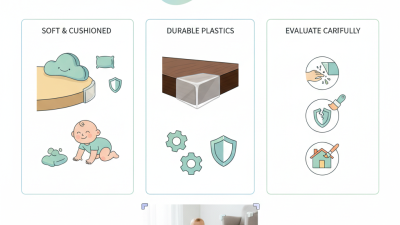
The right protector depends on more than appearance. Check the corner’s angle, dimensions, surface material, and surrounding conditions. Soft silicone or foam suits household furniture and light impacts. Dense rubber or reinforced plastic works better for repeated handling. For outdoor use, consider moisture, sunlight, and temperature changes. Adhesive-backed designs are convenient, but dusty surfaces can weaken the bond. Mechanical fixing may hold better, though it can leave marks. In practice, selection is often rushed. That is a mistake. A protector that fits loosely may turn into a falling hazard.

Tips: Measure every side before ordering. Clean and dry the surface thoroughly. Press the protector firmly for several seconds. Test it with gentle pressure first. Inspect it regularly for cracks, peeling, or compression. Replace damaged pieces promptly. For valuable or heavy items, follow the maker’s load and temperature guidance. No protector is perfect. Even thick padding cannot correct poor installation or an unsuitable fit.
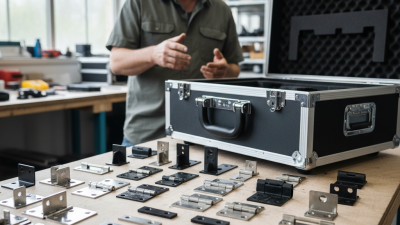
How to Assess the Surface, Object, and Protection Requirements

How to Choose the Right Corner Protector in 2026?

How to Assess the Surface, Object, and Protection Requirements

Choosing a corner protector begins with the surface, not the product label. Inspect whether the area is painted, polished, textured, damp, or dusty. A smooth glass edge may need a soft, non-abrasive material. Rough concrete usually requires a tougher protector with stronger attachment.

Measure the corner carefully. Record its angle, length, depth, and exposure to impact. A small plastic guard may suit a light cabinet, but it can fail on a steel trolley route. For fragile furniture, select cushioning that absorbs force without leaving marks. For warehouse edges, prioritize abrasion resistance and secure fitting.

Think about the object being protected. A child’s table needs rounded padding and secure installation. A shipping crate may need a rigid guard that tolerates repeated handling. Check temperature, moisture, cleaning chemicals, and expected impact frequency. These details often matter more than appearance.

I once chose a thick guard for a narrow doorway. It protected the wall but reduced passage space. That was a practical mistake. Test a sample before covering every corner. Press it firmly, inspect the adhesive after twenty-four hours, and check whether the material bends, slips, stains, or traps moisture. Protection is not successful if it creates a new hazard. Recheck the fit after regular use. Weight and movement can change performance.

How to Choose the Right Corner Protector in 2026? – How to Assess the Surface, Object, and Protection Requirements
Protector Type Typical Material and Profile Recommended Surface Best-Suited Object or Hazard Typical Protection Level Installation Method Key Selection Data Main Limitations
Soft Foam Corner Guard Polyethylene or polyurethane foam
Typical thickness: 10–30 mm
Painted walls, plasterboard, finished wood, glass-adjacent edges, and other surfaces requiring a soft contact layer. Furniture corners, low-height wall corners, child-safety areas, and light-contact obstacles. Low to medium Absorbs light bumps and reduces sharp-edge contact. Pre-applied adhesive, double-sided tape, or push-fit channel. Choose a thickness of at least 10 mm for light contact. Use 20–30 mm where the corner is frequently exposed to body contact. Can compress, tear, or detach under repeated impact, abrasion, heat, or heavy loads.
Silicone Corner Protector Flexible silicone rubber
Typical hardness: 40–70 Shore A
Smooth, non-porous surfaces such as glass, polished metal, sealed wood, tile, and laminated panels. Tables, countertops, cabinets, display cases, and sharp furniture corners in homes, schools, and offices. Medium Provides cushioning and a flexible, skin-friendly contact surface. Adhesive backing, removable gel adhesive, or slip-on design. Select a flexible wall thickness of approximately 2–5 mm. Confirm that the adhesive is compatible with the surface finish. Silicone may have lower abrasion resistance than rigid plastics and may not remain secure on dusty, oily, porous, or textured surfaces.
EPDM Rubber Corner Guard Ethylene propylene diene monomer rubber
Typical hardness: 60–85 Shore A
Concrete, painted metal, warehouse structures, vehicle edges, loading areas, and moderately rough surfaces. Industrial corners, carts, equipment frames, door edges, and areas exposed to repeated impact or weather. Medium to high Good resilience, vibration damping, and resistance to outdoor exposure. Mechanical fasteners, strong adhesive, aluminum channel, or bolt-on mounting. For repeated contact, consider a profile thickness of 10–25 mm and a density or hardness appropriate to the expected load. Rubber can leave marks on some light-colored surfaces and may require mechanical fixing where impact is frequent.
PVC Edge and Corner Guard Rigid or flexible polyvinyl chloride
Typical thickness: 1–5 mm
Drywall, plaster, painted walls, drywall compound, shelving, and finished panels. Building corners, partition edges, storage racks, cabinets, and areas requiring a clean finished profile. Medium Protects against scuffs, minor knocks, and edge chipping. Construction adhesive, contact adhesive, nails, screws, or embedded installation during finishing work. Use rigid profiles for straight architectural edges and flexible profiles for curved or uneven corners. Match the profile angle to the corner, commonly 90°. Rigid PVC can crack under severe impact or low temperatures and is not normally suitable for heavy industrial collision zones.
High-Impact Polyethylene Guard High-density polyethylene or similar impact-resistant plastic
Typical thickness: 3–10 mm
Concrete, metal, wood, plastic panels, pallet areas, and smooth or moderately textured industrial surfaces. Warehouse racking, machinery housings, pallet edges, transport equipment, and repeated low-to-moderate impacts. High Resists impact, moisture, and many common chemicals. Bolts, screws, rivets, mounting channels, or industrial adhesive systems. For mobile equipment and pallet traffic, prioritize a guard with a broad contact face and a thickness of at least 5 mm. Smooth plastic may require mechanical fixing because adhesive performance can be reduced by low surface energy and contamination.
Aluminum Angle Protector Extruded or formed aluminum angle
Typical thickness: 1.5–5 mm
Concrete, masonry, timber, plywood, metal frames, and structural edges requiring dimensional stability. Heavy-duty building corners, transport cases, crates, workbenches, and edges exposed to abrasion. High abrasion resistance Maintains a straight, rigid edge and resists wear. Screws, rivets, bolts, structural adhesive, or installation during fabrication. Choose a leg width of approximately 25–50 mm when the protector must shield both faces of a corner. Metal can transfer impact rather than absorb it; add a rubber or foam insert where people may contact the edge.
Steel Corner Guard Galvanized, stainless, or painted steel
Typical thickness: 2–6 mm
Concrete, masonry, steel structures, loading bays, workshops, and high-abrasion industrial environments. Forklift routes, dock edges, machinery bases, warehouse columns, and structural corners exposed to severe contact. Very high structural protection Provides strong resistance to crushing, abrasion, and repeated mechanical contact. Anchor bolts, expansion fasteners, welds, or heavy-duty mechanical fixing. Select thickness and anchoring based on the expected vehicle or equipment load. Protect exposed steel from corrosion where moisture is present. Heavy, rigid, and potentially hazardous on contact; it may damage the impacting object if no energy-absorbing layer is included.
High-Visibility Safety Guard Foam, rubber, or plastic with contrasting color or reflective markings
Typical profile depth: 20–75 mm
Warehouses, parking structures, production areas, public facilities, and locations with limited visibility. Columns, rack ends, machine corners, low-clearance obstacles, and pedestrian–vehicle interfaces. Medium to high Combines impact cushioning with improved hazard visibility. Adhesive, straps, bolts, brackets, or modular mounting systems. Use contrasting colors for visual detection and reflective markings where lighting is poor. Confirm that the guard does not reduce required clearance. Color and reflective surfaces can fade or become dirty; visibility does not replace physical separation or traffic controls.
Selection rule: First assess the surface condition and compatibility, then measure the object’s corner angle, dimensions, clearance, and impact frequency. Choose soft materials for people-contact hazards, rigid materials for abrasion and structural edges, and mechanically fixed systems for repeated or high-energy impacts. All dimensions and hardness values are typical industry ranges; confirm the exact product specification, temperature range, chemical exposure, load, and fixing method before installation.

Which Corner Protector Materials and Designs Suit Your Needs?

Choosing the right corner protector starts with the material and the surface around it. For warehouses, rigid PVC or rubber handles repeated cart impacts better than soft foam. Foam works well on children’s furniture, glass tables, and temporary moving protection. In humid rooms, closed-cell foam resists moisture more effectively than open-cell padding. Measure twice.

Design matters as much as material. Rounded protectors reduce sharp contact points on low furniture, while L-shaped models cover exposed wall edges more completely. A wide adhesive base helps on painted drywall, but textured surfaces may need mechanical fixing. For metal shelves, magnetic backing can simplify repositioning, though it may slide under heavy impact. That detail matters.

I usually test a sample for one week before ordering in quantity. Check whether the adhesive lifts paint, traps dust, or leaves a visible gap. Press the protector firmly along the entire edge. A small test prevents expensive replacement. I once selected a thick model that looked safer, but it blocked a cabinet door. The mistake was obvious later. Clearance should be measured with the door fully open, not closed. Also inspect the protector after several impacts, because some materials harden, split, or lose their shape over time.

How to Choose the Right Corner Protector in 2026?

Which Corner Protector Materials and Designs Suit Your Needs?

This relative 1–5 selection index summarizes commonly recognized material characteristics: impact absorption, resistance to moisture and chemicals, temperature tolerance, and suitability for exposed or heavy-duty corners. Foam profiles are generally preferred for cushioning, rigid plastics for everyday protection, silicone for high-temperature or flexible applications, and aluminum for strong, permanent edge protection.

Use the chart as a preliminary selection guide. Actual performance depends on material grade, profile geometry, wall thickness, mounting method, and installation conditions.

How to Choose the Right Size, Shape, Adhesive, and Mounting Method

How to Choose the Right Corner Protector in 2026?

Choosing the right corner protector starts with accurate measurements. In field installations, I measure the corner width, depth, and angle before opening the package. A 90-degree table corner usually needs a rigid, symmetrical protector. Rounded furniture may require a softer, flexible shape. Curved edges need a protector that can follow the surface without lifting. Do not guess. A simple cardboard template can reveal gaps before installation. The protector should cover the exposed point, but it should not create a larger obstacle.

Adhesive selection depends on the surface and expected use. Clean, dry wood, glass, and sealed plastic usually provide better bonding than dusty or textured surfaces. Removable adhesive suits temporary protection and rented furniture. Stronger adhesive may work better in busy areas, but it can damage delicate finishes. Test a small hidden section first. I have learned this step matters more than advertised strength. Cold rooms, humidity, and oily fingerprints can weaken the bond. Press the protector firmly and allow the recommended setting time.

Mounting method should match the protector’s weight and location. Peel-and-stick models work well on lightweight furniture and smooth corners. Mechanical fasteners may suit workshop equipment, but they can leave permanent marks. Align the protector carefully before pressing it into place. Check for loose edges, sharp seams, or snagging clothing. Inspect it regularly, especially after cleaning. I sometimes find that a perfect installation becomes loose weeks later. That is not failure; it is a reminder to recheck real-world conditions.

How to Compare Safety, Durability, Maintenance, and Cost in 2026

How to Choose the Right Corner Protector in 2026?

Safety should be measured before appearance. The U.S. Consumer Product Safety Commission estimated 22,000 emergency-department injuries annually from furniture tip-overs during 2018–2020. That figure is not corner-specific, but it shows why impact control matters. The World Health Organization reports about 684,000 fatal falls worldwide each year. A protector should therefore soften sharp edges, stay attached during contact, and avoid creating a new snag point. Test it at child height, near walking paths, and beside hard flooring. Small details matter.

Durability requires more than a thick-looking pad. Compare material recovery after repeated compression, adhesive performance after heat and humidity exposure, and resistance to cleaning chemicals. ASTM and ISO test methods can guide material evaluation, but they do not guarantee performance in every home. A product passing laboratory tests may still fail on dusty wood. I have seen that mistake before. Clean the surface, apply steady pressure, and allow the adhesive to cure fully. Check the protector weekly for lifting, cracks, loosened edges, or yellowing.

Maintenance affects real cost. Calculate purchase price, replacement frequency, cleaning time, and damage risk together. A cheaper protector that peels monthly may cost more over a year. Record installation dates and inspect high-contact corners after moving furniture. Do not rely on color alone. Some deterioration is nearly invisible. My own comparison would include a simple drop test, but that is not a certified safety assessment. It is only a practical screening step, and it deserves caution.