How to Choose the Right Flight Case Latch for Your Equipment Needs
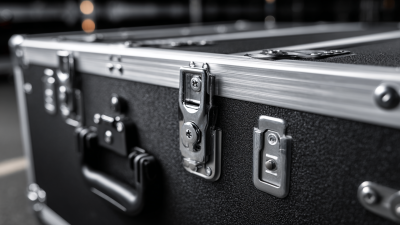
When it comes to protecting valuable equipment during transport, choosing the right flight case latch is crucial. A high-quality latch not only secures your gear but also ensures its safety in the face of various handling conditions. Whether you are a musician transporting instruments, a photographer carrying sensitive gear, or a technician moving tools, the latch on your flight case plays a significant role in the overall integrity of your equipment protection strategy.
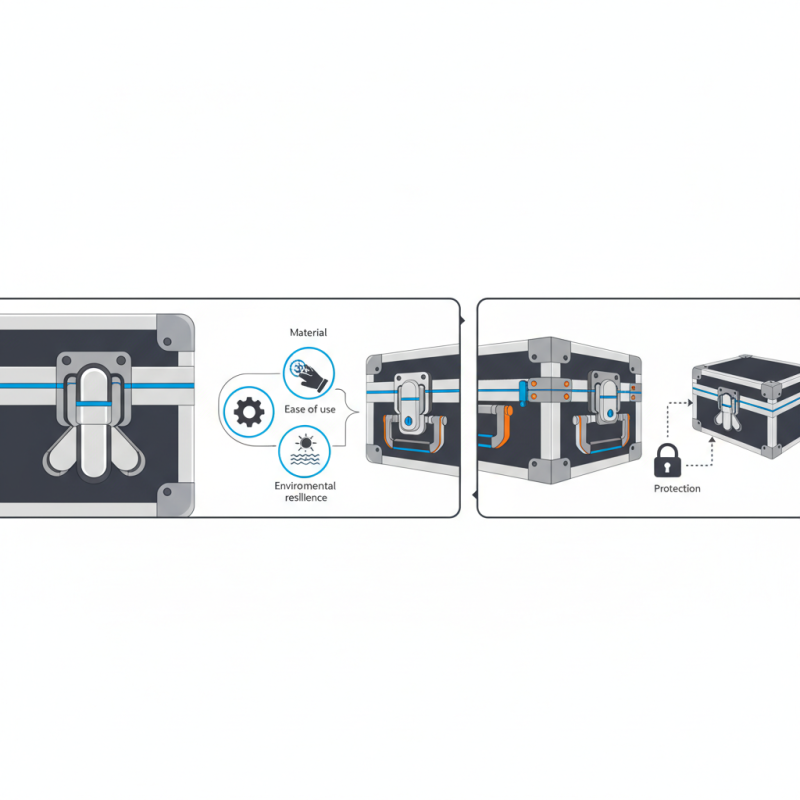
In this guide, we will explore the different types of flight case latches available, and how to determine which one best suits your specific needs. Each latch type has its unique advantages and disadvantages, and understanding these will empower you to make an informed decision. Factors such as material, ease of use, and environmental resilience must be considered to ensure that your chosen latch complements the level of protection required for your valuable equipment. Ultimately, the right flight case latch will not only safeguard your items but also provide peace of mind during every journey.
Understanding the Different Types of Flight Case Latches
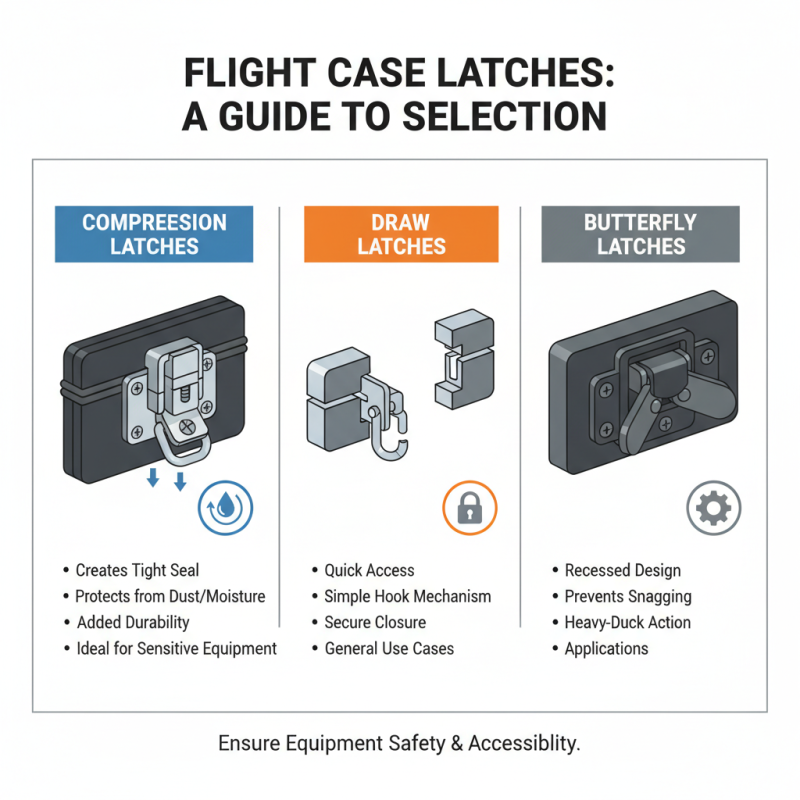
When selecting a flight case latch, understanding the different types available is crucial for ensuring the safety and accessibility of your equipment. The most common types of latches include compression latches, draw latches, and butterfly latches. Compression latches are designed to create a tight seal, making them ideal for protecting sensitive equipment from external elements. They apply pressure as they close, which not only secures the contents but also enhances durability during transport.
Draw latches, on the other hand, are versatile and easy to operate, making them suitable for frequently accessed cases. These latches work by pulling down to lock the flight case securely, providing a quick method for opening and closing without compromising security. Butterfly latches are often found on larger cases, as they offer a wide opening and easy access to the contents. Their design allows for better weight distribution, which is essential for protecting the equipment during transit. By understanding these different types of latches and their specific benefits, you can make an informed decision that aligns with your equipment protection needs.
Key Factors to Consider When Choosing Flight Case Latches
When selecting the right flight case latch for your equipment needs, it’s essential to consider several key factors that can impact the effectiveness and safety of your gear during transport. One of the most critical aspects is the latch material. High-quality latches made from corrosion-resistant materials such as stainless steel or durable plastic can significantly enhance longevity and reliability. According to industry reports, cases equipped with sturdy latches reduce the risk of accidental opening during transit by up to 40%, which can save significant costs related to equipment damage and loss.
Another vital factor to evaluate is the latch mechanism and its ease of use. Depending on the frequency of access required during travel, you may prefer a latch that offers a quick-release feature or one that requires a more secure locking mechanism. A study published in the Journal of Transportation Safety found that cases designed with user-friendly latching systems have a 30% faster access time, which is beneficial for professionals who need to quickly retrieve their equipment on site. Moreover, consider the latch’s compatibility with your flight case design, ensuring that it not only fits well but also provides an effective seal against external elements, thus ensuring the protection of your valuable gear.
Choosing the Right Flight Case Latch - Key Factors Comparison
Evaluating Latch Durability and Security Features
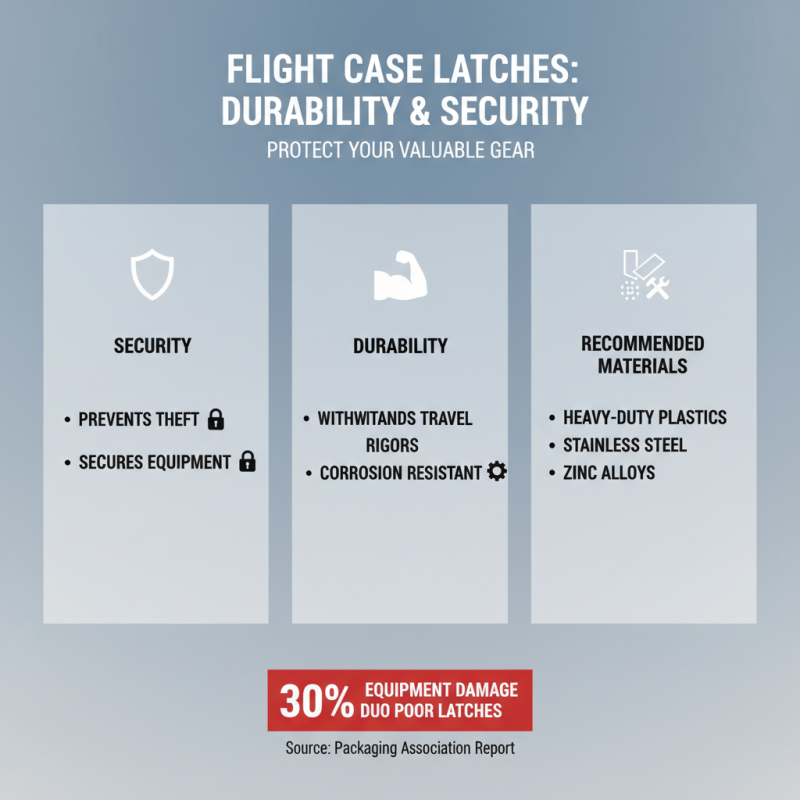
When selecting a flight case latch, evaluating its durability and security features is paramount, particularly for professionals who rely on transporting sensitive equipment. According to a report by the Packaging Association, nearly 30% of equipment damage during transport is attributed to inadequate latching mechanisms. Flight case latches should withstand the rigors of travel while ensuring that your valuable gear remains secure. Look for materials such as heavy-duty plastics, stainless steel, or zinc alloys, which are proven to enhance longevity and resist corrosion, making them ideal for frequent flyers.
In addition to material durability, the security features of a latch cannot be overlooked. A survey by the Transportation Security Administration (TSA) indicates that cases equipped with more secure latching systems significantly reduce the risk of unauthorized access during transit. Features like dual-action latches or those that can accommodate padlocks provide an extra layer of protection. Consider products that meet industry-specific security standards, as this often translates to higher reliability in preventing tampering or accidental openings. Prioritizing both durability and security will ensure that your equipment arrives safely at its destination, avoiding costly repairs or replacements.
Assessing Compatibility with Your Equipment and Flight Cases
When selecting the right flight case latch for your equipment, compatibility is of utmost importance. Every piece of equipment varies in size, shape, and weight, which directly affects the type of latch that is most suitable. Begin by measuring the dimensions and weight of your equipment to ensure that the latch provides a secure fit without compromising the integrity of the case. Consider the operational ease as well; a latch that is too complex can ultimately hinder your ability to access your equipment quickly when needed, especially in high-stakes situations.
Additionally, take into account the material and durability of the latch, as this can significantly influence its effectiveness and longevity. Different environments present varying challenges, whether it be exposure to the elements, frequent handling, or transportation stress. Make a choice that complements not only the protection of your gear but also the specific travel and usage conditions you anticipate. By marrying compatibility with functionality, you can achieve a reliable solution that guarantees your equipment’s safety during transit.
How to Choose the Right Flight Case Latch for Your Equipment Needs
| Latch Type |
Material |
Weight Capacity |
Compatibility |
Security Features |
| Butterfly Latch |
Steel |
Up to 50 lbs |
Universal |
Key Lock |
| Drawbolt Latch |
Aluminum |
Up to 70 lbs |
Custom Cases |
Secure Locking |
| Cam Latch |
Plastic |
Up to 30 lbs |
Standard Flight Cases |
None |
| Lever Latch |
Stainless Steel |
Up to 100 lbs |
Heavy-Duty Cases |
Tamper-Resistant |
Installation and Maintenance Tips for Flight Case Latches
When it comes to installing flight case latches, ensuring a secure fit is essential for the protection of your equipment. Start by selecting the appropriate latch type based on the weight and dimensions of your case. Once you have the right latch, position it accurately on the case in alignment with the locking mechanism. It's advisable to pre-drill holes to avoid damaging the material and to enhance the accuracy of the installation. Make sure to use screws that are compatible with the latch and capable of withstanding the rigors of travel.
Tightening the screws adequately without overdoing it will ensure that the latch remains functional over time.
Maintenance of flight case latches is crucial for their longevity and reliability. Regularly inspect the latches for signs of wear, rust, or misalignment. If you notice any issues, address them promptly by tightening screws or replacing components as necessary. Cleaning the latches to remove dust and debris can also prevent malfunction. For latches with moving parts, consider applying a light lubricating oil to ensure smooth operation. By following these installation and maintenance tips, you can keep your flight case latches in optimal condition, safeguarding your equipment during transport.