How to Choose the Right Pkcell Battery for Your Devices?
Choosing the right Pkcell Battery for your devices can be quite challenging. There are various factors to consider. Compatibility is crucial. Different devices require specific battery types. Using the incorrect battery can lead to malfunctions or even damage.
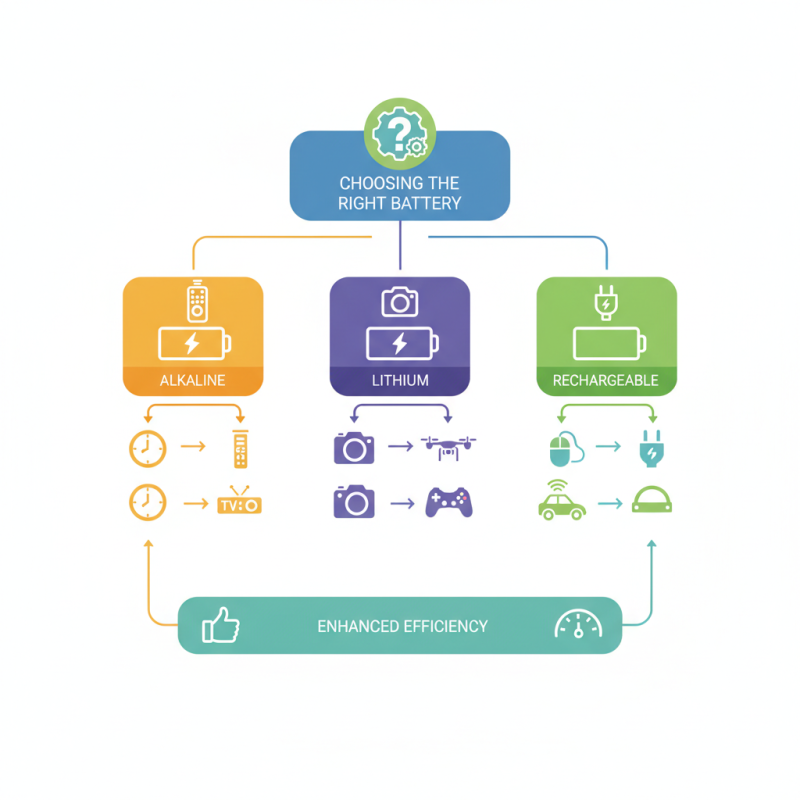
Pkcell Battery offers various options. This range includes alkaline, lithium, and rechargeable batteries. Each type serves a unique purpose. For instance, alkaline batteries are great for everyday devices. Meanwhile, lithium batteries are more suitable for high-drain devices. Think about what your device needs. It requires both power and longevity.
Sometimes, it’s hard to recognize your device’s requirements. You might even find yourself experimenting with different batteries. This process can be frustrating. A wrong choice may lead to wasted energy or reduced performance. However, investing time into selecting the right Pkcell Battery will ultimately enhance your device's efficiency.
Understanding Different Types of Pkcell Batteries Available
When choosing the right battery for your devices, understanding the variety of options is crucial. Pkcell batteries come in several types: alkaline, lithium, and rechargeable nickel-metal hydride (NiMH). Each type serves different purposes and fits various devices. For instance, alkaline batteries are often used in remote controls and wall clocks, while lithium batteries shine in high-drain devices like digital cameras.
The choice you make can affect performance greatly. According to industry data, lithium batteries provide longer lifespans compared to alkaline. They can last up to three times longer in high-drain applications. NiMH batteries are another choice, especially for devices requiring frequent use. They can be recharged many times, reducing waste. However, they may lose charge faster when not in use.
Considering factors such as usage frequency and device type is important. You might find a reliable alkaline option is often more accessible, yet the long-term benefits of lithium or NiMH cannot be overlooked. Battery selection isn’t merely about power; it’s about compatibility, efficiency, and environmental impact. Choose wisely, as each decision shapes performance and sustainability.
Evaluating the Battery Specifications for Your Device Needs
Choosing the right battery for your device involves understanding its specifications. Different devices have unique power requirements. Voltage, capacity, and size must match. Voltage indicates how much power is supplied. A mismatch can lead to device failure or even damage. Capacity measures how long a battery can power a device. Higher capacity means longer use, but often increases size.
When evaluating options, check the physical size of the battery. It should fit snugly in the device. A loose fit can cause connectivity issues. Also, look for the discharge rate. Different devices draw energy differently. High-drain devices need batteries that can provide power quickly. This means they require good discharge rates.
Testing and researching are important steps. Sometimes, specifications are misleading. A battery may look good on paper but fail in real use. Customer reviews can be helpful. They often highlight both strengths and weaknesses. Make sure to compare your choices before making a final decision. It is crucial to find the right balance between power, size, and longevity for your needs.
How to Choose the Right Battery for Your Devices? - Evaluating the Battery Specifications for Your Device Needs
| Battery Type | Voltage (V) | Capacity (mAh) | Dimensions (mm) | Applications |
| AA Alkaline | 1.5 | 2000 | 50.5 x 14.5 | Remote Controls, Toys |
| 18650 Li-ion | 3.7 | 2500 | 65.0 x 18.6 | Laptops, Flashlights |
| CR2032 Lithium | 3.0 | 220 | 20.0 x 3.2 | Watches, Calculators |
| 9V Alkaline | 9.0 | 570 | 48.5 x 26.5 | Smoke Detectors, Pedal Effects |
| AAA NiMH | 1.2 | 1000 | 44.5 x 10.5 | Digital Cameras, Remotes |
Assessing Compatibility with Voltage and Size Requirements
Choosing the right battery for your devices involves closely assessing compatibility with voltage and size requirements. Voltage determines whether a battery can power your device effectively. A mismatch can lead to poor performance or even damage. For instance, if a device requires 1.5V, using a 3V battery might cause it to overheat.
Size is equally important. Batteries come in various shapes and dimensions. Ensure that the battery fits securely in the compartment. An oversized battery might not fit, while one that’s too small could be loose. This can cause intermittent connections or power issues.
Think about specific examples, like remote controls or cameras. A remote control usually needs AA or AAA batteries. A camera, however, might need a more specialized type. Checking the device specifications is essential. Not doing so could lead to frustration or wasted time. Keeping a few extra batteries of different sizes at home is a practical approach. However, don't forget to check their voltage compatibility regularly. A little reflection can save you from the hassle of unexpected battery failures.
Battery Compatibility Assessment by Voltage and Size
Considering Battery Life and Rechargeability Options
When selecting the right battery for your device, consider battery life and rechargeability options carefully. Many devices rely on batteries that provide reliable performance. According to industry reports, a quality battery can deliver up to 1,000 charge cycles. This means less frequent replacements. Longer-lasting batteries reduce environmental waste, which is a plus for sustainability.
Tips: Always check the battery capacity in milliamp hours (mAh). Higher mAh ratings indicate longer battery life. For example, a battery rated at 3000 mAh will typically last longer than one at 2000 mAh.
Rechargeable batteries can save money in the long run. They may seem costlier upfront, but their lifespan can offset initial expenses. A statistic suggests using rechargeable batteries can cut costs by up to 50% over time. Reflect on how often you replace non-rechargeable batteries. The waste adds up, not just in landfills, but in your budget too.
Consider the compatibility of batteries with your devices. Some devices may require specific types. Researching beforehand can prevent mismatches and future regrets. A poor choice can lead to decreased performance or damage to your device, leading to frustration.
Analyzing Cost and Brand Reputation in Your Purchase Decision
Choosing the right battery can feel overwhelming. Cost is often a primary consideration. However, it's important to remember that a cheaper option may not always mean better value. Sometimes, spending a bit more ensures you get a longer-lasting battery. Think about how often you use your devices. This can help you decide.
Brand reputation plays a crucial role too. Established brands often provide consistent quality. However, some lesser-known brands can impress you. Always read reviews to gather insights. Look for experiences from other users to guide your choice. Reputation matters, yet it shouldn't be the only factor.
Tips:
Consider your device's specific needs. High-drain devices often require stronger batteries. Also, pay attention to warranty details. A manufacturer that stands behind their product usually delivers better quality. Research is key, but don’t forget to trust your instincts. You might find a hidden gem in a less popular brand.