Leave Your Message

How to Choose the Right Road Case Hardware?

Choosing the right Road Case Hardware is not a finishing touch. It affects how a case moves, opens, stacks, and survives repeated handling. A recessed latch can protect its release lever from knocks. A properly sized handle can make a loaded case easier to control. Casters must suit the floor, the load, and the route ahead. Small parts matter.

This guide compares common hardware and explains what to check before ordering: material, dimensions, mounting points, expected use, and compatibility with the case design. It also considers practical details, such as whether a lid clears nearby fittings or screws sit securely in the chosen panel. These checks come from real assembly concerns, but no single specification suits every case. That part is easy to underestimate.

The supplied material does not include a verifiable quotation from a named Road Case Hardware expert. I won’t invent one or present fictional words as genuine. Instead, this guide follows a practical working principle: “Choose each fitting for the job it must do, not for appearance alone.” Treat it as guidance, not a sourced expert quote. A reflective note belongs here: choosing the cheapest fitting can seem sensible until a loose latch or worn caster interrupts a busy day. Yet buying the heaviest hardware is not automatically better. Weight, fit, durability, and repairability all deserve consideration. The right choice is the one that works reliably with your case and its real use.
How to Choose the Right Road Case Hardware?

Understanding the Main Types of Road Case Hardware

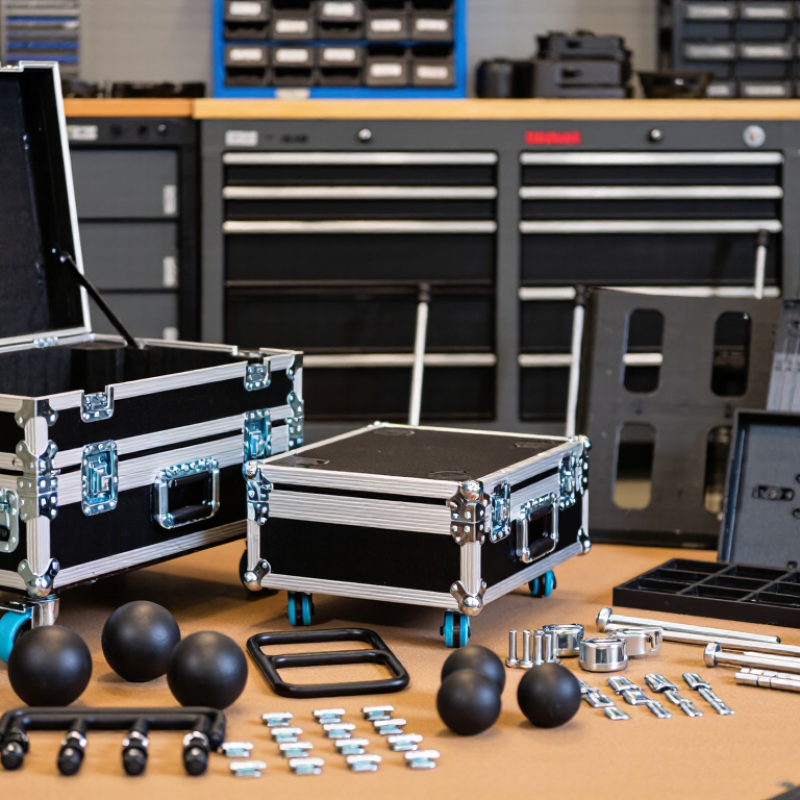
Road case hardware does more than hold a box together. Each part affects how the case opens, travels, and survives repeated handling. Small details matter.

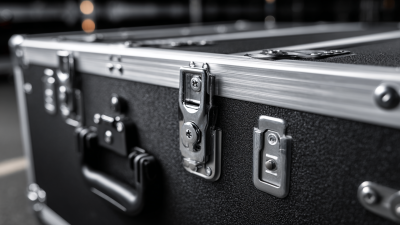
Handles come in surface-mounted and recessed styles. Surface-mounted handles are easy to replace, but can snag on nearby gear. Recessed handles sit inside the case wall and are useful in tight loading spaces. Latches secure the lid; butterfly-style versions draw two panels together with a firm pull. Check that the latch closes smoothly without forcing it. A stiff latch may signal misalignment, not strength.

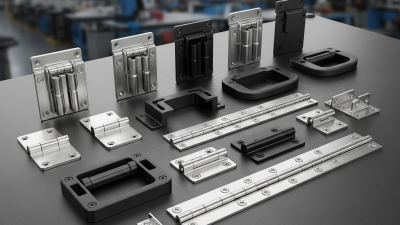
Hinges connect the lid to the case body and should match the lid’s weight and opening angle. Continuous hinges spread stress along the edge, while smaller hinges are simpler to service. Corner protectors and edging help guard vulnerable edges from knocks. Casters make heavy cases easier to move; choose wheel size and tread for the floor surface, and check whether brakes are needed. Stacking hardware keeps cases aligned, though poorly matched fittings can make a stack wobble. That is not trivial. I would still test the loaded case over a rough threshold before choosing final hardware. A small mismatch can become annoying fast.

How to Choose the Right Road Case Hardware? - Understanding the Main Types of Road Case Hardware

Hardware Type Main Purpose Common Construction Key Selection Considerations Typical Application
Ball Corners Protect case corners from impact and abrasion; help cases stack securely. Formed steel, often zinc-plated; available in different depths and configurations. Match the corner depth to the case profile and check that the corner does not interfere with latches or handles. Cases exposed to frequent handling, stacking, and transport.
Butterfly Latches Join and secure the lid and base; recessed designs reduce snagging during transport. Steel or other metal components, commonly with a spring-loaded closing mechanism. Choose a size and keeper arrangement that fit the case, allow smooth operation, and provide enough closure points for the lid. Equipment cases that need repeated opening and secure closure.
Recessed Handles Provide a grip for lifting while keeping the handle within the case surface. A recessed metal cup with a hinged or spring-return grip; some models include a comfort grip. Consider the case’s loaded weight, hand clearance, mounting area, and number and placement of handles. Follow the hardware maker’s load guidance. Cases that are regularly carried by one or more people.
Hinges Connect the lid to the case body and guide opening and closing. Continuous piano hinges or separate butt hinges, commonly made from steel or stainless steel. Check hinge length, opening clearance, corrosion exposure, and compatibility with the lid and case profile. Cases with hinged lids or access panels.
Aluminum Extrusions Protect and reinforce panel edges; create a joining profile between case sections. Extruded aluminum profiles selected to suit the panel thickness and case design. Match the profile to the panel thickness, corner fittings, and lid-to-base joint; confirm fit before assembly. Cases built from plywood or other panel materials with protected edges.
Casters Allow a case to be rolled instead of carried. Wheel assemblies with swivel or fixed mounting plates; wheel materials vary by floor and operating environment. Check the combined load rating for the full set, wheel diameter, floor conditions, mounting strength, and whether brakes are needed. Large or heavy cases moved frequently across venues or work areas.
Stacking Dishes Help cases locate against one another and reduce movement when stacked. Formed metal plates or dishes installed at corresponding points on the lid and base. Position matching parts consistently and ensure they align with the case structure and intended stacking arrangement. Cases designed to be transported or stored in stacks.
Rivets and Fasteners Secure hardware and panel components to the case structure. Rivets, bolts, washers, or screws selected for the materials being joined. Choose suitable length and material, provide adequate backing where needed, and avoid sharp protrusions inside the case. Installation and repair of case hardware and panel fittings.

Selection tip: Start with the case’s loaded weight, dimensions, handling frequency, stacking needs, and exposure to moisture or rough surfaces. Confirm fit and manufacturer load guidance for each component, and use compatible hardware and fasteners.

Assessing Load, Use, and Transport Conditions

How to Choose the Right Road Case Hardware?
Assessing Load, Use, and Transport Conditions

Choose hardware for the case’s loaded weight, not its empty shell. A case carrying a compact mixer may need different handles and latches than one holding heavy lighting equipment. Include the weight of cables, foam, and accessories. Small details matter. Handles should feel secure when the case is lifted from both sides, while latches should close without forcing the lid into alignment.

Consider how often and where the case will travel. Frequent loading into vans can expose corners, hinges, and fasteners to repeated knocks. Long rolling routes call for suitable casters and mounting plates; stairs may make sturdy handholds more important. Dust, rain, and temperature changes can also affect hardware performance. “Heavy-duty” alone is not a useful specification. Match materials and finishes to the actual environment, and check that moving parts remain accessible for inspection.

A useful assessment includes a loaded test. Test it loaded. Open and close the latches, lift the case, and roll it over the kind of floor it will usually encounter. Look for loosened screws, flexing panels, or handles that pinch fingers. One test cannot reproduce every journey, of course. Still, it can reveal a mismatch before regular transport makes it worse. Recheck hardware after early trips, especially when the case carries fragile or costly equipment.

How to Choose the Right Road Case Hardware?

Assessing load, use, and transport conditions

This illustrative calculation divides the loaded case weight by three, allowing for uneven floors where one of four casters may not carry its share. Choose casters with a rated capacity above the calculated load, and account for impacts, travel surfaces, mounting, and the hardware manufacturer's specifications.

Comparing Materials, Strength, and Corrosion Resistance

Road case hardware takes repeated impacts, vibration, and damp loading-dock air. Material choice affects strength, weight, and how often parts need attention. Steel can resist bending under heavy loads, especially at corners and handles. However, scratches near rivets or hinge joints can expose it to moisture and rust. Looks can mislead.

Stainless steel generally offers better corrosion resistance, but its performance depends on the grade and environment. It is not immune to staining, particularly when salt or grime stays on the surface. Aluminum hardware is lighter and naturally forms a protective oxide layer, but thinner parts may deform under hard impacts. Check the thickness, shape, and fasteners—not just the material name. A sturdy hinge with weak screws is still a weak point.

Zinc-plated steel can be a practical choice for indoor use, though damaged plating may leave the steel underneath exposed. For frequent outdoor transport, inspect edges and joints where water can collect. Weight matters too. Choosing the strongest option every time can make a case unnecessarily heavy. It is easy to focus on corrosion ratings and overlook how the case is actually handled; that trade-off deserves a second look. Rinse off grime, dry wet hardware, and check for loose screws as part of routine maintenance.

Checking Hardware Fit, Mounting, and Case Compatibility

How to Choose the Right Road Case Hardware?

Checking Hardware Fit, Mounting, and Case Compatibility

Choose hardware to suit the case’s panel thickness, corner shape, and intended use. Measure the cutout and compare it with the hardware’s full dimensions, not just its visible face. A latch that looks close may still collide with foam or internal bracing. Check door clearance, too. In practice, a quick cardboard template can reveal fit problems before you drill. It is a small step, but easy to skip when parts seem standard.

Tips: Measure twice, including screw spacing. Test the hardware against the case with the lid open and closed. Keep a little clearance around moving parts.

Mounting strength matters as much as fit. Use fasteners that pass through the panel securely, and check that their length will not damage interior lining or stored equipment. Thin panels may need backing plates to spread the load. Match hinges, handles, and latches to how often the case will be moved and how heavily it will be loaded. One imperfect detail in many builds is assuming every panel is perfectly flat; check for gaps before tightening everything down. After installation, open and close the case several times and look for rubbing, loose screws, or uneven alignment.

Balancing Durability, Maintenance, and Cost

How to Choose the Right Road Case Hardware?
Balancing Durability, Maintenance, and Cost

Road case hardware faces repeated impacts, vibration, dust, and damp loading areas. Choose latches, hinges, and corner protectors for the case’s actual duty cycle, not appearance alone. Steel hardware can tolerate rough handling, while aluminum may reduce weight; either choice needs suitable finishes and sound installation. A weak rivet or loose hinge can undermine an otherwise sturdy case. Small parts matter.

Maintenance has a real cost. The NACE IMPACT study estimated global corrosion costs at US$2.5 trillion annually, or 3.4% of global GDP, and noted that corrosion management could save 15–35%. These figures cover many industries, not road cases, but they show why corrosion prevention deserves attention. For cases exposed to rain or frequent transport, inspect plating, fasteners, and latch movement regularly. A slightly higher purchase price may be worthwhile if it reduces repairs; still, premium hardware is not automatically the best fit.

Tips: Open and close each latch before purchase. Check for smooth movement, secure fasteners, and accessible replacement parts. Wipe away grit after trips, then dry damp hardware. Keep a simple inspection log; it may feel unnecessary at first, but recurring looseness can reveal a poor hardware choice.