How to Effectively Handle Cases in Global Procurement?
In today's dynamic business landscape, global procurement plays a vital role in organizational success. Companies face numerous challenges when managing procurement processes across different regions. Effective case handling is critical in navigating these complexities. It requires expertise, responsiveness, and a firm understanding of local markets.
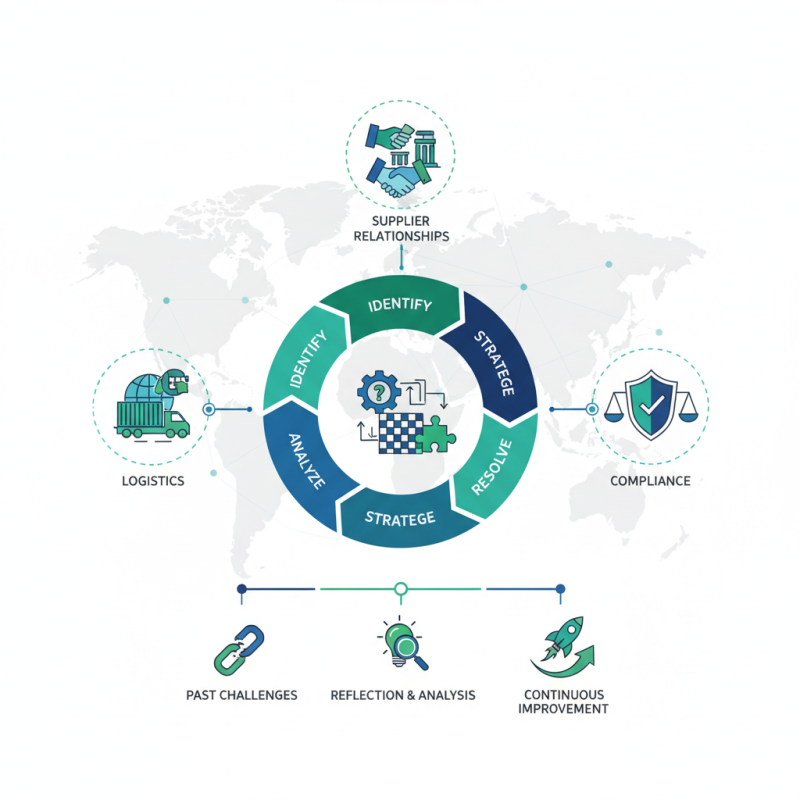
The art of case handling in global procurement involves addressing issues such as logistics, supplier relationships, and compliance. Each case presents unique challenges that demand tailored strategies. For instance, mishandling a supplier dispute can lead to delays and financial losses. Firms must develop a robust framework to resolve such problems swiftly and effectively.
Organizations often overlook the importance of learning from past case handling experiences. Reflection and analysis of previous challenges can help improve future responses. By fostering a culture of continuous improvement, businesses can enhance their procurement effectiveness. Understanding and adapting to the nuances of case handling is essential for lasting success in global procurement.
Understanding Global Procurement: Key Concepts and Challenges
Global procurement involves navigating complex landscapes. Understanding key concepts is vital for success. Companies must recognize the significance of global sourcing strategies. These strategies can provide cost reductions but also introduce supply chain vulnerabilities. The balance between cost and quality often becomes a challenge.
Tips for success in global procurement include conducting thorough market research. This helps in identifying reliable suppliers and understanding local markets. Building strong relationships with suppliers is crucial. It fosters trust and improves negotiation outcomes. Additionally, businesses should adopt a risk management framework. This approach helps in anticipating potential disruptions.
Transparency in communication is another critical aspect. Regular updates with stakeholders can prevent misunderstandings. Cultural sensitivity can enhance interactions, making partnerships more effective. However, it's important to reflect on the effects of diverse cultural approaches. Sometimes, assumptions can lead to misalignment in teamwork. Overall, effective management of global procurement can drive significant advantages, but it requires careful planning and execution.
Establishing a Robust Procurement Strategy for Global Operations
Establishing a robust procurement strategy for global operations starts with understanding local markets. Diverse cultures and regulations influence buying behavior. Researching local suppliers ensures compliance and builds trust. A solid strategy often includes clear communication channels. This mitigates misunderstandings and improves partnerships.
Logistics play a crucial role in global procurement. Consideration of transportation options is vital. Delays can significantly impact the supply chain. Engaging local logistics partners can help navigate these challenges. However, relying solely on local partners may expose vulnerabilities. Regular assessments of partnerships are necessary.
Adapting procurement strategies requires ongoing evaluation. The global landscape changes frequently. Factors like economic shifts or geopolitical tensions can influence decisions. It is essential to remain agile and ready to adjust plans. Gathering feedback from teams in different regions can identify gaps. By reflecting on past strategies, organizations can enhance future performance.
Navigating Legal and Regulatory Considerations in Global Procurement
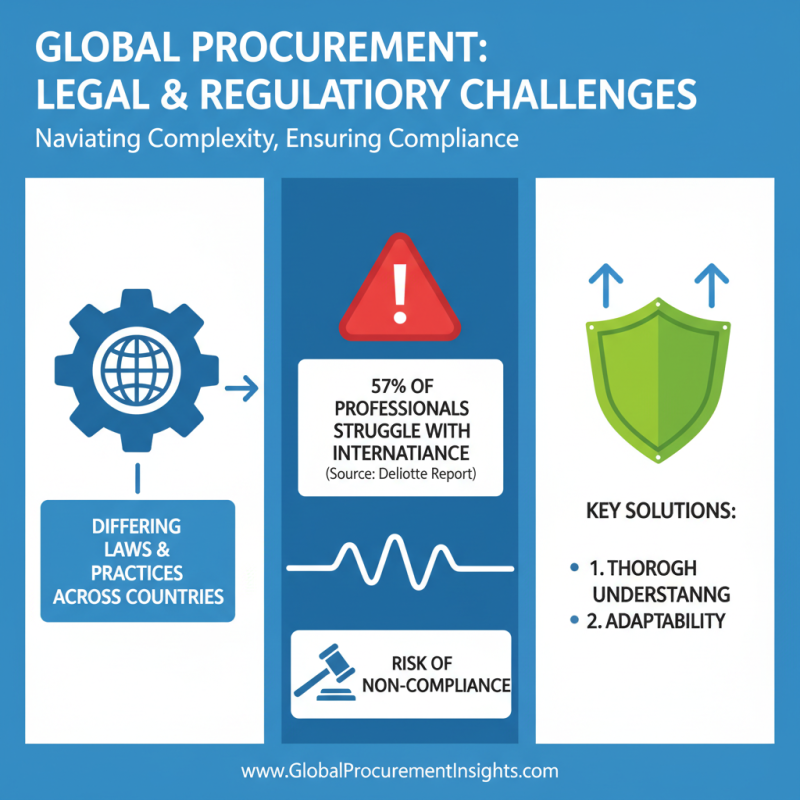
Navigating legal and regulatory considerations in global procurement is complex. Organizations often face various challenges due to differing laws and practices across countries. A report by Deloitte highlights that 57% of procurement professionals struggle with compliance issues related to international laws. This statistic emphasizes the need for thorough understanding and adaptability.
Each region has its own legal nuances. For example, the European Union has stringent regulations on data protection that can affect procurement processes. In contrast, some regions may have more lax regulations, creating potential risks. A survey by PwC reveals that 63% of companies prioritize training their procurement teams in legal compliance. This investment is crucial for minimizing risks and enhancing operational efficiency.
Moreover, procurement teams must stay updated on changes in international laws. Monitoring these shifts is essential, yet many companies fail to do so effectively. A McKinsey report indicates that 45% of companies do not have a structured approach to regulatory changes. This oversight can hinder a company's ability to adapt, leading to potential legal issues. Engaging with legal experts and regular training can help mitigate these challenges, ensuring smoother operations in global procurement.
Best Practices for Supplier Relationship Management in Global Markets
In global procurement, maintaining strong supplier relationships is crucial. Effective communication is the foundation. Regular check-ins help both parties understand expectations. This creates transparency and builds trust. When challenges arise, clear dialogue can resolve issues swiftly. A personalized approach empowers suppliers, making them feel valued.
Monitoring supplier performance is essential. Use metrics that matter. Delivery times and quality checks should be prioritized. But it's not just about numbers. Emotional connections can enhance reliability. Recognize achievements and address shortcomings together. Celebrate successes to foster loyalty. This leads to long-term partnerships.
Cultural awareness plays a key role. Different regions have unique customs and practices. Adapt your management style accordingly. Mistakes can occur if assumptions are made. Taking time to learn about local cultures prevents misunderstandings. This demonstrates respect and can strengthen ties. A little effort goes a long way in creating a resilient supplier network.
How to Effectively Handle Cases in Global Procurement? - Best Practices for Supplier Relationship Management in Global Markets
| Supplier Region |
Relationship Status |
Communication Frequency |
Performance Rating |
Issues Resolved |
| Asia |
Strong |
Weekly |
4.5/5 |
15 |
| Europe |
Moderate |
Bi-weekly |
3.8/5 |
8 |
| North America |
Weak |
Monthly |
2.9/5 |
5 |
| South America |
Strong |
Weekly |
4.2/5 |
12 |
| Africa |
Moderate |
Monthly |
3.5/5 |
7 |
Utilizing Technology for Enhanced Global Procurement Efficiency
In the realm of global procurement, technology plays a pivotal role in enhancing efficiency. Recent reports indicate that companies leveraging advanced procurement solutions can reduce sourcing costs by up to 15%. Automation tools streamline repetitive tasks, enabling teams to focus on strategic initiatives. An integration of artificial intelligence can analyze data patterns, leading to faster decision-making.
However, not all organizations reap these benefits. A significant portion of businesses still relies on outdated processes. According to a study by industry experts, 42% of companies admit their procurement strategies lag behind technological advancements. This gap suggests a need for change within those organizations, emphasizing the importance of continuous improvement in procurement practices.
Moreover, the adoption of cloud-based platforms can enhance collaboration. These platforms allow teams to access real-time data from any location. Yet, challenges remain. Data security concerns often prevent companies from fully embracing these technologies. Establishing robust cybersecurity measures is critical in this landscape. As technology evolves, procurement strategies must adapt to maintain competitiveness in a dynamic global market.
Global Procurement Efficiency: Impact of Technology