What Is a Flight Case Hinge and How to Choose the Best One?
When transporting valuable equipment, securing it is crucial. A key component of this security is the Flight Case Hinge. This part ensures the case opens and closes smoothly. Choosing the right hinge can impact your gear's safety and durability.
Flight Case Hinges come in various sizes and materials. Some are designed for heavy use, while others are meant for light-duty applications. Each type offers specific benefits and potential drawbacks. It is essential to consider the intended use, as not all hinges may fit your needs. A mismatch can lead to equipment damage or hinge failure.
Think about the weight and size of your flight case. A sturdy hinge may be necessary for larger cases. Meanwhile, smaller cases might only require lightweight options. Reflect on what you really need before making a decision. Don't overlook this often-ignored detail when investing in your gear protection.
Understanding the Functionality of Flight Case Hinges
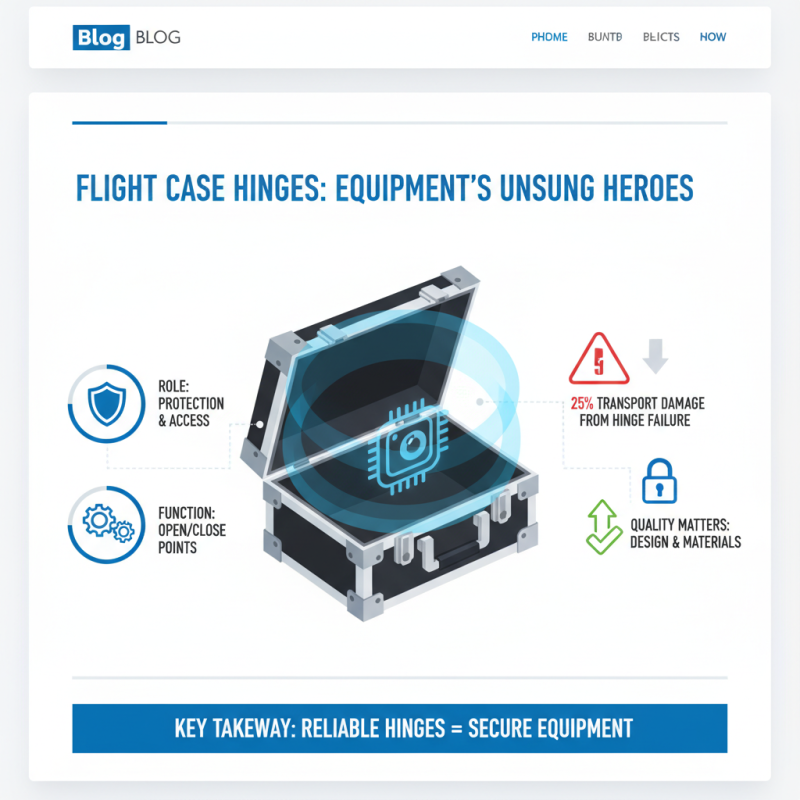
Flight case hinges play a crucial role in protecting sensitive equipment. They are the points where the case opens and closes. If the hinges fail, the case's integrity is compromised. A good hinge must ensure ease of access while withstanding regular use. Reports indicate that almost 25% of damage in transport comes from faulty hinges. This highlights the need for quality in design and materials.
When choosing a hinge, consider the materials. Metal hinges generally offer more durability than plastic ones. However, they can add weight to the case. Some experts recommend using lightweight alloys to balance strength with portability. It’s essential to assess the hinge's load capacity as well. Not every hinge can handle heavy equipment safely. Mismanagement in this area can lead to costly repairs or replacement of gear.
Installation is another factor that shouldn’t be overlooked. Misalignment during installation can cause rapid wear and tear. This could lead to failure when you least expect it. Choosing the right hinge involves more than just picking a style. It requires careful consideration of functionality and longevity. Ultimately, the right choice can significantly impact the performance and lifespan of your flight case.
Types of Flight Case Hinges and Their Uses
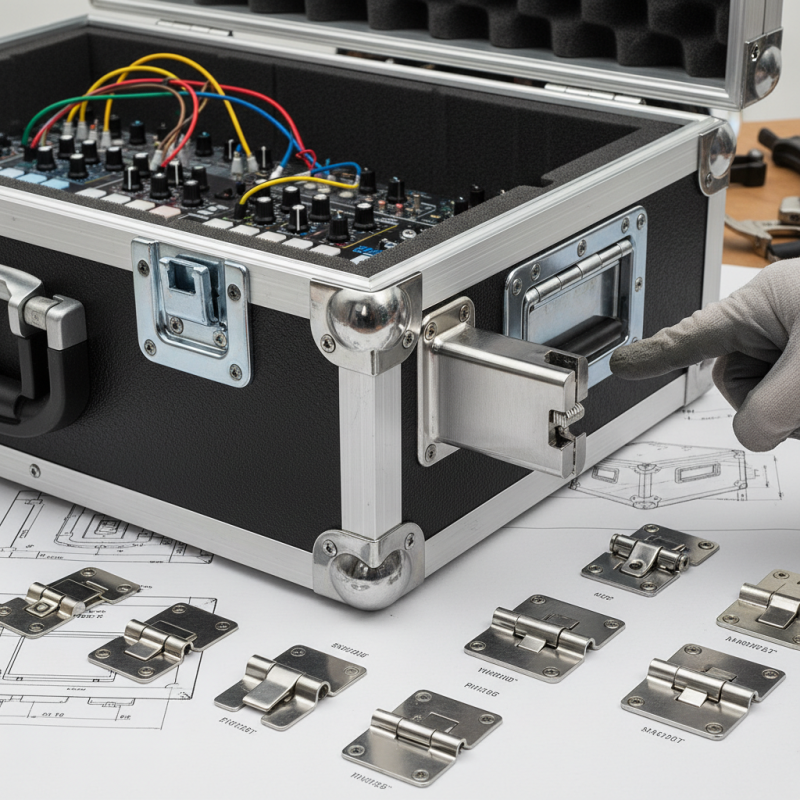
Flight case hinges play a crucial role in ensuring the durability and functionality of transport cases. There are several types of hinges available, each serving different purposes. For instance, butt hinges are commonly used for lightweight cases. They provide basic support and are easy to install. Piano hinges, on the other hand, run the entire length of the case. These offer excellent stability, making them ideal for larger and heavier cases.
Important factors should be considered when choosing hinges. The material matters greatly. Steel hinges are strong but can be heavy. Aluminum hinges offer a lighter alternative without sacrificing too much strength. You should also consider the environment the case will be used in. Outdoor use requires corrosion-resistant options. Choosing the right hinge can feel overwhelming, with so many choices available. It’s a good idea to visualize how each hinge type will affect overall functionality.
Pay attention to the installation process too. Poorly installed hinges could lead to case failure, regardless of their quality. It's beneficial to ask for advice and research best practices. This ensures that your choice aligns with your specific needs and enhances your case's lifespan.
Key Factors to Consider When Choosing Flight Case Hinges
Choosing the right flight case hinge is crucial for functionality and durability. When selecting, consider material strength. Metal hinges often provide better longevity than plastic options. Ensure the hinge supports the weight of your equipment. A lightweight case with heavy gear could stress the hinge. Pay attention to the hinge's design. Some might fit better on certain case styles than others.
Next, think about the hinge size. It should align well with your flight case dimensions. A misfit can lead to frustration or damage. Look for adjustable features if your needs are variable. Easy installation is also important. Some hinges require specific tools or skills. Lastly, consider corrosion resistance. This is essential for cases that travel a lot. Exposure to different elements can impact hinge performance. Adjust your choice based on these needs, but do keep in mind that no hinge is perfect. Regularly inspect for wear and tear to maintain functionality.
Flight Case Hinges: Key Factors to Consider
Material Options for Flight Case Hinges: Pros and Cons
When selecting flight case hinges, material plays a crucial role. Different materials offer varying advantages and disadvantages that can affect overall durability.
Steel hinges are popular for their strength and resistance to wear. However, they can be heavy and may rust over time. In contrast, aluminum hinges are lightweight and corrosion-resistant but might not withstand heavy use as well. An industry report shows that nearly 40% of users experienced hinge failures due to material limitations.
Plastic hinges provide excellent weather resistance and are lightweight. Yet, they may not offer the same durability as metal options under extreme conditions. Research indicates that nearly 25% of flight case owners prioritize weight over strength. This approach might save on transport costs but could sacrifice longevity.
Users should weigh these factors carefully when making a choice.
Ultimately, each material has its trade-offs. Users often overlook how these choices impact the longevity of their flight cases. An informed decision requires understanding both the benefits and potential pitfalls of each hinge type. Reflection on specific use cases can aid in finding the right fit for individual needs.