Choosing a Polished Chrome Handle in 2026 involves more than matching a shiny finish to a cabinet. Today’s buyers examine comfort, durability, maintenance, and visual balance before making a decision. A handle may look excellent under showroom lighting, yet feel narrow, cold, or slippery in daily use.
Hardware consultant Mark O’Brien offers a practical reminder: “Choose the handle with your hand, not only your eyes.” This advice reflects real installation experience. A well-designed Polished Chrome Handle should sit naturally beneath your fingers, provide secure grip, and withstand repeated contact near sinks, doors, and busy kitchen worktops.
Small details matter.
This guide explores the features that deserve careful attention. It considers chrome plating quality, metal construction, mounting stability, centre-to-centre measurements, and cleaning requirements. It also compares contemporary bar shapes with softer rounded profiles. A bright chrome surface can make a small room feel cleaner and more open, but fingerprints may appear quickly. That is not a deal-breaker. It simply requires realistic expectations.
The best choice depends on the room, users, and maintenance habits. Families may prefer a thicker handle with rounded edges. Minimalist interiors may benefit from a slim, straight design. Some selections will look perfect online and disappoint in person. Reflection helps.
By examining these practical factors, readers can choose a Polished Chrome Handle with greater confidence, stronger design awareness, and fewer costly replacement mistakes.
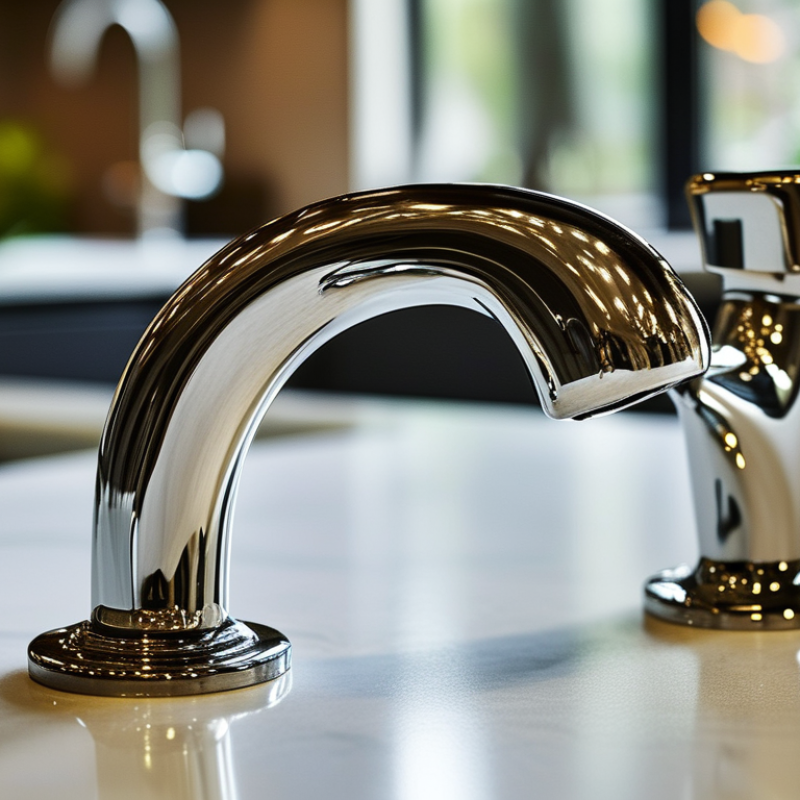
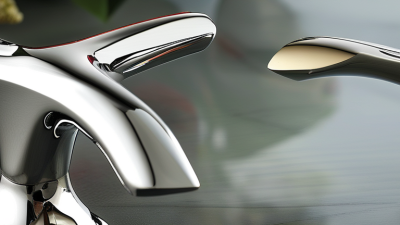
Polished chrome handles are hardware pieces with a bright, mirror-like surface. A thin chromium layer covers the base metal and helps resist everyday corrosion. The finish reflects light strongly, so it can make a narrow room feel cleaner and more open. It also shows fingerprints, water spots, and fine scratches quickly. That detail matters.
These handles work especially well in bathrooms, kitchens, utility rooms, and contemporary offices. In a bathroom, pair them with chrome taps or a metal-framed mirror for a controlled look. In a kitchen, use them on pale cabinets where their shine adds contrast. They can also suit dark wood, but the reflection may feel visually sharp. Test one sample beside the cabinet before ordering a full set.
For reliable selection, check the handle’s center-to-center measurement, mounting depth, screw quality, and stated finish process. A 96-millimeter pull will not replace a 128-millimeter pull without leaving visible holes. Choose a solid, comfortable shape if the handle will receive constant use. Clean polished chrome with a soft cloth and mild soapy water. Avoid abrasive pads and harsh acidic cleaners. They can dull the surface permanently. I once underestimated how visible fingerprints become on a pantry door. A satin finish might have been more forgiving there. Consider the room’s humidity, cleaning routine, and daily traffic before choosing shine over practicality.
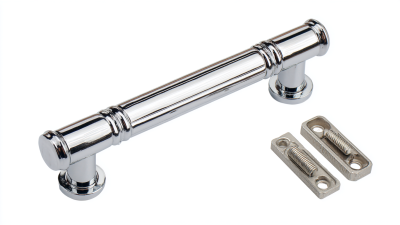
Choosing a polished chrome handle in 2026 requires more than admiring its mirror-like shine. I inspect the finish under direct light and from an angle. Uneven reflections can reveal ripples, polishing marks, or thin plating. The surface should feel smooth, without cloudy patches or sharp edges.
Material matters as much as appearance. Solid brass and stainless steel usually provide dependable strength for frequently used doors and cabinets. Zinc alloy can offer good value, but its long-term performance depends heavily on the plating process. Ask about the base metal, plating layers, and corrosion testing. A convincing product description should provide measurable details, not only words like “premium” or “luxury.”
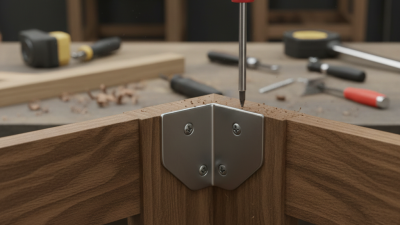
Construction quality becomes obvious during handling. A well-made handle feels balanced and rigid, with clean threads and accurately fitted screws. Test the mounting points gently; movement may indicate weak internal supports. Check whether the screw length suits your door thickness. I once overlooked this detail, and the handle looked excellent but installed poorly. That mistake changed how I evaluate hardware.
Polished chrome can also highlight fingerprints and water spots. In a humid room, inspect the edges and recessed areas closely. Plating failures often begin where moisture remains trapped. A protective clear coat may help, but it should not replace sound metal preparation. I would also request care instructions and warranty terms in writing. Some evaluations remain uncertain because manufacturers disclose limited testing information. That uncertainty deserves attention before purchase.
Handle matching begins with proportion, not shine. For a 600 mm cabinet door, the 128 mm center-to-center pull usually feels balanced. Wider drawers may need 192 mm or two smaller pulls. Measure the door rail before ordering. Polished chrome reflects light strongly, so oversized hardware can dominate a small vanity.
The 2024 Houzz U.S. Kitchen Trends Study, based on more than 1,000 renovating homeowners, confirms that hardware remains a visible part of cabinet updates. That visibility makes accurate sizing important.
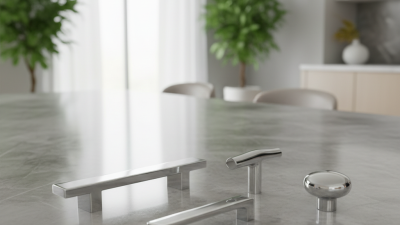
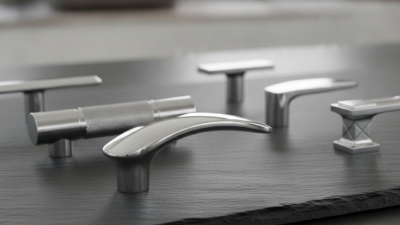
Shape should support the room’s daily use. A rounded bar feels comfortable against wet hands, while a square pull creates a sharper, more architectural line. Check the grip depth, edge radius, and finger clearance.
The 2024 NKBA Design Trends Report continues to emphasize practical, streamlined detailing in kitchens and bathrooms. For accessible locations, the ADA Standards require operable parts to work without tight grasping, pinching, or twisting. They also place many operable parts between 15 and 48 inches above the floor.
Mounting style changes the visual weight. Two-hole pulls offer better stability on wide drawers. Single-hole knobs suit narrow doors and compact furniture. Backplates can hide old marks, but they may make polished chrome look heavier.
I once selected a long pull because the measurements looked correct. It still felt awkward beside the faucet. That mistake taught me to test a paper template first. Hold it against the door, open the cabinet, and check your wrist angle. Small details matter.
How to Choose a Polished Chrome Handle in 2026?
Compatibility should come before the shine. Measure the door or drawer thickness, then check the handle’s screw length. Standard cabinet panels often measure about 18 to 20 millimeters, but custom fronts vary. A screw that is too long can strike the cabinet box. One that is too short may loosen quickly. Measure the existing hole centers, such as 96 or 128 millimeters, rather than guessing from appearance. Small errors become obvious when several handles line up.
For doors, confirm the handle suits the lock, latch, and backset. The ANSI/BHMA A156.9 standard covers cabinet hardware performance, while door hardware follows different requirements. That distinction matters. A cabinet pull is not automatically suitable for a heavy entry door. Check the mounting plate, fixing method, and clearance from the frame. Leave enough space for knuckles, especially on narrow doors.
Finish matching also requires inspection under real lighting. Polished chrome can look blue beside warm stainless steel or aged nickel. The 2024 Houzz U.S. Kitchen Trends Study reports that 76% of renovating homeowners upgrade cabinets, increasing demand for replacement hardware that fits existing holes. Still, report data cannot replace a physical test. Hold one handle against the door, open it repeatedly, and check for wobble. I once trusted a product photograph too much. That was careless. Use a template, confirm measurements twice, and test the first installation before ordering the full set.
| Application | Dimension or Feature to Check | Common Reference Values | How to Confirm Compatibility | Polished Chrome Consideration |
|---|---|---|---|---|
| Cabinet drawer or door pull | Center-to-center hole spacing | Common sizes include 76 mm, 96 mm, 128 mm, and 160 mm; 3 in and 3.78 in are also widely used imperial references. | Measure from the center of one mounting hole to the center of the other. Do not measure the overall length of the handle. | The reflective surface makes inaccurate hole alignment more noticeable, so use the exact measured spacing. |
| Cabinet pull | Mounting screw diameter and length | Many cabinet pulls use machine screws around M4 or approximately 8-32, but the correct length depends on the door or drawer thickness and any backplate. | Remove one existing screw and match its thread, diameter, head style, and usable length. Avoid relying only on appearance. | Use non-abrasive tools and place a protective layer between metal tools and the finish to prevent visible scratches. |
| Interior door lever or knob | Backset | 60 mm and 70 mm are common backset dimensions in many residential lock preparations; local standards and existing doors vary. | Measure from the front edge of the door to the center of the spindle or lock cylinder hole, or compare the replacement latch with the existing one. | The finish does not change backset requirements. Select the correct latch and rose dimensions before choosing the surface finish. |
| Interior door lever | Spindle size and follower type | Square spindles are common, frequently around 8 mm, but the exact size and retention method are not universal. | Check the existing spindle, latch follower, fixing screws, and whether the handle is sprung or unsprung. | Choose a handle set with a compatible rose or backplate; mismatched plates can leave visible holes or unfinished areas. |
| Door pull handle | Overall length, projection, and fixing pattern | Overall lengths vary widely. The pull should provide adequate finger clearance without interfering with nearby trim, glazing, or cabinetry. | Mark the proposed fixing points with a template and check the handle against the door edge, lock, frame, and adjacent wall. | A polished surface reflects surrounding lines, so install it level and keep equal margins around the fixing points. |
| Glass, metal, or thin doors | Mounting method and load distribution | Through-bolts, backing plates, or purpose-designed clamps may be required; standard cabinet screws are not automatically suitable. | Confirm the door material and thickness, then use the fixing system specified for that material. Do not drill tempered glass. | Select compatible washers or gaskets to protect the finish and prevent direct metal-to-glass contact where appropriate. |
| Bathroom, kitchen, or humid area | Base material and finish protection | Chrome-plated hardware is commonly used in interior wet areas, but durability depends on the substrate, plating quality, cleaning chemicals, and ventilation. | Review the product care instructions and confirm that the handle is rated for the intended environment. | Wipe away water and soap residue. Avoid bleach, chlorine-based cleaners, abrasive powders, scouring pads, and acidic descalers unless specifically approved. |
| Replacement installation | Existing holes and visible footprint | A new handle with a smaller rose, backplate, or mounting base may expose old paint marks, holes, or finish differences. | Compare the new handle’s base dimensions with the old hardware before drilling or removing the existing fitting. | Polished chrome highlights fingerprints and differences in surrounding finishes; inspect the hardware in the actual room lighting. |
| Door and cabinet coordination | Finish tone and surface geometry | Polished chrome is bright and highly reflective, while satin chrome and stainless-steel-look finishes are generally softer or less mirror-like. | Compare physical samples or photographs taken under the same lighting; names alone do not guarantee identical color or reflectivity. | Use the same finish family across visible hardware when a uniform appearance is required, while checking that textures and reflectivity also match. |
| Final pre-purchase check | Measurements, fixing kit, and use case | Confirm hole spacing, door or panel thickness, backset, spindle, projection, screw specification, and environmental suitability. | Create a short measurement record and compare it with the technical drawing or installation instructions before ordering. | Prioritize verified dimensions and care requirements over appearance alone; polished chrome is attractive but unforgiving of scratches and residue. |
How to Choose a Polished Chrome Handle in 2026?
How to Compare Maintenance Needs, Safety, and Long-Term Value
A polished chrome handle should look bright without creating daily maintenance work. Run your fingers across the surface before buying. It should feel smooth, with no sharp edges, pits, or uneven plating. In humid bathrooms, water spots and fingerprints appear quickly. A soft microfiber cloth usually removes them. Avoid abrasive powders and rough sponges, which can dull the reflective finish. Simple care matters more than dramatic showroom shine.
Safety deserves closer attention than appearance. Choose a handle with a firm grip, clear mounting points, and enough space for wet fingers. A rounded profile can reduce painful contact, especially near narrow cabinets or busy walkways. Check whether the fixing system feels stable after repeated pulling. Loose hardware is not a small problem. It can damage the door and cause sudden slips.
Long-term value depends on more than the purchase price. Compare the metal quality, plating thickness, fastener strength, and cleaning requirements. A cheaper handle may need replacement sooner, creating extra waste and installation costs. Still, expensive does not always mean better. That assumption deserves questioning. Inspect the care instructions and replacement availability before deciding. I would also test the handle under normal lighting, because polished chrome can hide tiny scratches in a bright showroom. There is no perfect finish. Choose the one that remains safe, practical, and presentable after everyday use.
Comparing maintenance needs, safety suitability, and long-term value across common handle constructions
Scores use a 0–100 comparative model based on typical material behavior: non-porous surface cleaning requirements, corrosion resistance, expected durability, secure mounting potential, and replacement burden. Higher scores indicate easier maintenance, stronger safety suitability, or better long-term value. Actual performance also depends on edge design, fastener quality, installation, humidity, and cleaning chemicals.