
Leave Your Message

How to Choose the Right Strap Handles for Bags?

Choosing the right Strap Handles can change how a bag feels, functions, and lasts. A stylish handle may still hurt your palm after ten minutes. The best choice balances comfort, strength, appearance, and the bag’s intended use.

In my experience, handle selection begins with the expected load. A small handbag may suit narrow leather handles with soft edges. A travel bag needs wider webbing, reinforced stitching, and dependable metal fittings. Measure the handle drop carefully. A 10-centimeter difference can decide whether the bag sits comfortably under your arm. Do not judge by looks alone.

Material matters. Full-grain leather can develop character, but it may feel firm at first. Cotton feels natural, while synthetic webbing often handles moisture better. Metal rings should move smoothly without sharp edges. Check the attachment points, especially where stitching meets the bag body. That area usually receives the most stress.

Fit matters too.

Consider your daily routine. Will the bag carry a laptop, groceries, or only a phone and wallet? Longer Strap Handles help with shoulder carrying, while shorter ones can make hand carrying easier. Adjustable designs offer flexibility, though their sliders may add weight or create bulk. A reliable manufacturer should explain material quality, load testing, and care requirements clearly. Still, labels cannot replace inspection. Bend the handle gently, examine every seam, and notice how it feels in your hand. Sometimes the “premium” option is simply attractive, not practical. Your choice may need compromise, and that is worth recognizing before the bag leaves the store.
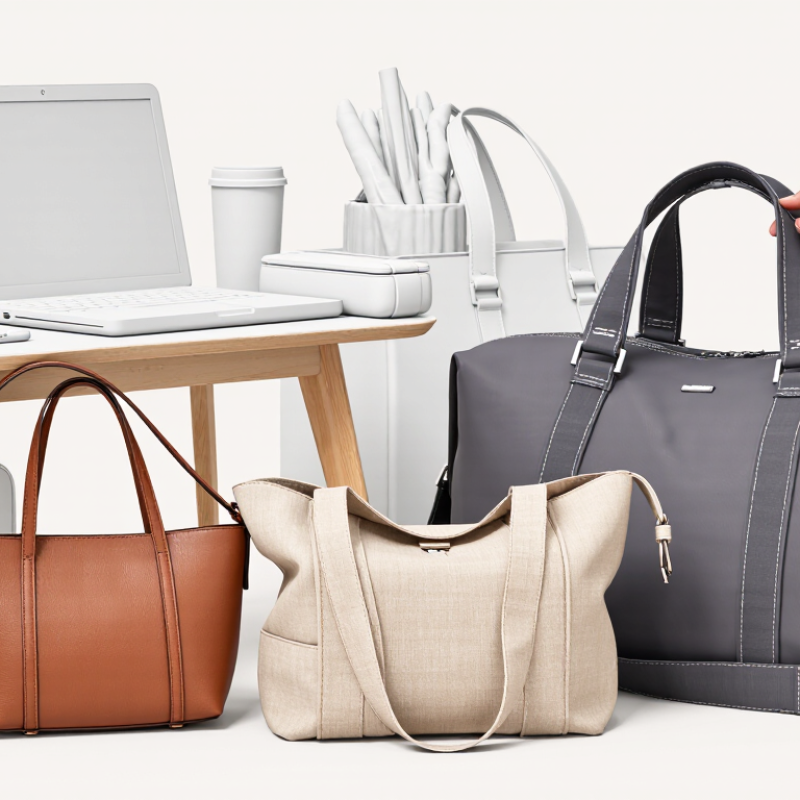
How to Choose the Right Strap Handles for Bags?

Understanding Bag Strap Handle Types and Their Uses

How to Choose the Right Strap Handles for Bags?

Understanding handle types starts with the bag’s purpose. Short top handles suit handbags, work totes, and structured designs. They keep the bag close to the body. Long shoulder straps improve access during commuting or shopping. Crossbody straps distribute weight more evenly, especially when adjustable. According to Allied Market Research’s 2023 report, the global handbag market could reach about $78.4 billion by 2031. Function clearly influences this growing category.

In product sampling, I test handles with books, a water bottle, and a folded jacket. Rolled leather handles feel polished but may become firm over time. Flat webbing handles bend easily and reduce pressure on the palm. Chain handles add visual interest, yet they can pinch skin under heavy loads.

Padded handles offer comfort, though excessive padding can make a small bag look bulky. Grand View Research’s 2024 handbag report identifies comfort, material, and design as important market considerations. My early prototypes looked attractive but slipped from the shoulder. That mistake still matters.

Tips: Match handle width with expected weight. For daily carry, choose adjustable straps with reinforced attachment points. Check stitching around rings and tabs. Pull firmly before use. Measure drop length while wearing a winter coat, not just a thin shirt. A 45–55 centimeter shoulder drop often feels practical, but body shape changes the result. Test before production.
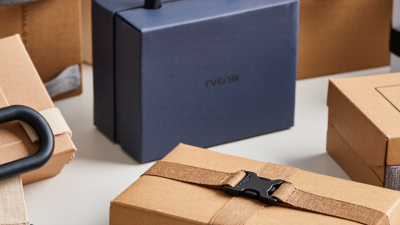

Matching Handle Materials to Bag Design and Function

How to Choose the Right Strap Handles for Bags?

Handle material should follow the bag’s structure, not only its appearance. In fitting trials, smooth leather handles suited structured bags because they kept a firm profile. Woven cotton felt softer and worked better with lightweight, relaxed designs. Nylon webbing offered useful strength for travel and outdoor bags, but its sporty texture looked unsuitable on formal shapes. Textile Exchange reported 124 million tonnes of global fiber production in 2023. Polyester represented about 57% of that volume, so recycled or conventional webbing deserves careful material review.

Function changes the choice. A small handbag needs a handle that feels comfortable after repeated lifting. A work tote needs wider support to reduce pressure on the hand. For heavier loads, test the handle attachment, stitching, and reinforcement together. Material strength alone can mislead. The attachment may fail first. The Global Fashion Agenda has repeatedly identified durability as an important route to reducing fashion waste. That makes replaceable or repairable handles worth considering, although repair systems are still not common enough.

Tips: Match texture with purpose. Choose padded leather for comfort, dense webbing for load-bearing use, and coated fabric where moisture is expected. Check the handle after 20 minutes of carrying. Does it twist, cut into the palm, or slide from the shoulder? A slightly imperfect sample can reveal more than a polished showroom piece. I once preferred a thinner handle visually, but real use proved it uncomfortable. A practical mistake, and a useful reminder.

Selecting the Right Handle Length, Width, and Shape

How to Choose the Right Strap Handles for Bags?

Handle length changes how a bag feels during daily use. Short handles keep the bag close to your hand or forearm. Longer handles allow shoulder carrying and suit heavier totes. Measure the drop from the bag opening to your shoulder, not only the handle’s total length. A 25-centimeter drop may feel comfortable over a shirt but tight over a winter coat. Test the bag while walking.

Width affects comfort, strength, and visual balance. Narrow straps can look delicate, but they may press into your hand when the bag is full. Medium-width handles usually distribute weight more evenly. For a large canvas bag, a strap around 25 to 35 millimeters often feels more stable. The material also matters. Soft leather or woven fabric can reduce pressure, although very soft handles may stretch over time.

Tips: Fill the bag with its usual items before choosing. Lift it, carry it, and inspect how the handle bends. Rounded handles feel gentler in the palm, while flat handles may stay steadier on the shoulder. I once chose a beautifully shaped handle that twisted during use. It looked right, but it handled poorly. Leave room to reconsider. A practical choice may appear less stylish at first, yet feel better after a long walk.

How to Choose the Right Strap Handles for Bags? – Selecting the Right Handle Length, Width, and Shape

Bag Type or Carrying Position Recommended Handle Length Recommended Width Suitable Handle Shape Recommended Construction Selection Considerations
Small Clutch or Pouch 15–25 cm (6–10 in) 8–15 mm (0.3–0.6 in) Short loop, flat tab, or detachable wrist strap Single-layer leather or tightly woven webbing Keep the handle compact so it does not overpower the small bag. A narrow width is generally more comfortable for light loads.
Top-Handle Handbag 25–40 cm (10–16 in) 15–25 mm (0.6–1.0 in) Rounded, arched, or softly curved handle Reinforced core with padded or wrapped outer surface Measure the usable inside length between attachment points. A curved profile improves grip and helps the handle stand upright.
Shoulder Bag 60–90 cm (24–35 in) 20–35 mm (0.8–1.4 in) Flat shoulder strap or gently contoured strap Strong webbing or layered leather with reinforced attachment points Choose a length that allows the bag to rest near the hip or upper waist. Wider straps distribute pressure more effectively.
Crossbody Bag 100–140 cm (39–55 in) 20–40 mm (0.8–1.6 in) Adjustable flat strap with a low-profile shape Adjustable webbing with durable sliders and swivel hardware Adjustability is important because the ideal drop changes with body height, clothing, and whether the bag is worn in front or at the side.
Small Backpack or Sling Bag 70–120 cm (28–47 in) 25–40 mm (1.0–1.6 in) Contoured, padded, or slightly curved strap Foam-padded webbing with durable edge binding A contoured strap can reduce twisting. Use adequate width and padding when the bag may carry electronics, books, or other dense items.
Tote Bag for Hand Carry 35–55 cm (14–22 in) 20–35 mm (0.8–1.4 in) Flat loop, rounded loop, or semi-arched handle Double-layer leather or reinforced textile handle The handle should provide enough clearance for the hand without making the bag difficult to control. Reinforce the attachment area for heavier contents.
Tote Bag for Shoulder Carry 55–75 cm (22–30 in) 25–40 mm (1.0–1.6 in) Long flat strap or softly rounded shoulder handle Wide webbing or layered construction with reinforced stitching Allow approximately 20–30 cm (8–12 in) of drop from the shoulder to the top of the bag, depending on the wearer and bag size.
Travel or Duffle Bag 45–65 cm (18–26 in) for hand handles 30–50 mm (1.2–2.0 in) Rounded grip handle or padded flat handle Multi-layer webbing or reinforced leather with load-bearing stitching Use a wider, padded handle for heavier loads. Check that the handle length leaves enough hand clearance without causing the bag to drag.
Convertible Bag Adjustable: 80–135 cm (31–53 in) 20–35 mm (0.8–1.4 in) Adjustable flat strap with detachable or convertible ends Reinforced webbing with secure connectors and adjustable hardware Prioritize adjustability, connector strength, and smooth hardware operation. The strap should remain stable in both shoulder and crossbody positions.
Camera or Equipment Bag 90–135 cm (35–53 in) 30–50 mm (1.2–2.0 in) Wide padded strap with a stable, slightly contoured profile High-strength webbing with padding and anti-slip shoulder material Prioritize load distribution and reduced strap movement. Wider padding is useful when the bag contains dense or valuable equipment.

Practical measurement tip: Measure the distance between the bag’s attachment points, then add the desired drop length. For adjustable straps, select a range that covers both the shortest hand-carry position and the longest shoulder or crossbody position.

Evaluating Comfort, Strength, and Attachment Methods

Choosing the right strap handles starts with how the bag will feel after hours of use. In my product testing, soft woven straps reduced shoulder pressure better than narrow, rigid handles. A handle should sit flat against the hand, without cutting into the skin. Consider the load, too. A small pouch needs flexibility, while a travel bag requires wider support and stronger reinforcement.

Strength depends on more than the strap material. Check the stitching, edge finishing, and connection points. Box stitching with a cross pattern often distributes tension well. Metal rings, loops, or rivets should fit the strap width closely. Pull each attachment gently before use. Weak movement can reveal hidden problems.

I once approved a handle that felt strong, but its attachment shifted under repeated loading. That mistake changed my inspection process.

Tips:

  • Measure the handle drop with the bag filled, not empty.
  • Test several carrying positions.
  • Choose padded or folded handles for heavier items.
  • Inspect every seam for loose threads.
  • For detachable straps, check whether clips close fully and move smoothly.
  • Plastic hardware can feel light and practical, but it may fatigue sooner in demanding conditions.
  • Leather can soften beautifully, yet its edges need regular inspection.

There is no perfect choice. Comfort, strength, and attachment method must match the bag’s real use.

Checking Style, Compatibility, and Long-Term Durability

How to Choose the Right Strap Handles for Bags?

A strap handle should match the bag’s visual weight and daily purpose. A slim leather handle suits a small evening bag, while a wider woven strap supports heavier travel pieces. The 2024 Global Handbag Market Report by Grand View Research identifies design and functionality as major purchase factors. That finding matters at the fitting table. A beautiful handle can still feel wrong when its width, color, or drop length conflicts with the bag body. Try the handle with the bag filled, not empty.

Compatibility requires careful measurement. Check the connector width, hole spacing, hardware thickness, and attachment direction. A swivel clip may fit the ring but twist under movement. Measure twice. Cotton webbing feels soft, yet high-friction edges can cause early fuzzing. Vegetable-tanned leather develops character, but moisture and repeated bending may create dark marks. Material choice should reflect real use, not only appearance. The European Environment Agency’s 2024 report on textile durability emphasizes longer product use as a key sustainability strategy. A replaceable handle can extend a bag’s useful life, although the stitching must be reinforced.

For durability, inspect bar-tack stitching, edge finishing, and load distribution. Test the handle with a practical weight for several minutes. Listen for hardware creaks. Small warning signs matter. The International Organization for Standardization reports that ISO 2418 and related leather-testing methods support consistent material evaluation, but laboratory results cannot predict every user habit. That is the uncomfortable part: even a well-tested strap may fail when overloaded, folded sharply, or exposed to rain repeatedly.

How to Choose the Right Strap Handles for Bags?

Checking style, compatibility, and long-term durability

This comparative score uses a 1–10 scale based on common construction characteristics. Flat webbing offers broad compatibility and strong load distribution, rolled leather provides a refined appearance with moderate flexibility, rope handles create a casual look but may stretch over time, and metal chain handles deliver visual impact while adding weight and requiring reinforced attachment points.