Essential Tips for Choosing the Right 90 Degree Toggle Clamp?
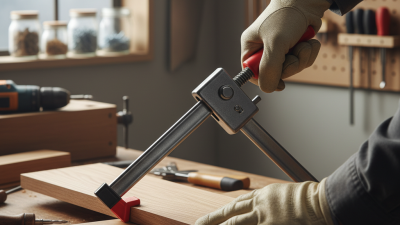
Choosing the right 90 degree toggle clamp can seem daunting. These clamps play a crucial role in various applications, from woodworking to metalworking. Their reliability ensures workpieces are held securely during assembly or machining. However, not all clamps are created equal.
When selecting a 90 degree toggle clamp, consider factors like load capacity and material. The right clamp should match your project requirements. Many users overlook the importance of ergonomics, leading to discomfort during prolonged use. A well-designed clamp not only improves efficiency but enhances user experience.
Do thorough research before making a decision. Check reviews and consider reputable brands for quality assurance. Sometimes, people rush and end up with a clamp that doesn't meet their expectations. Reflecting on these choices can lead to better outcomes in the future. With careful consideration and attention to detail, finding the perfect 90 degree toggle clamp becomes easier and more effective.
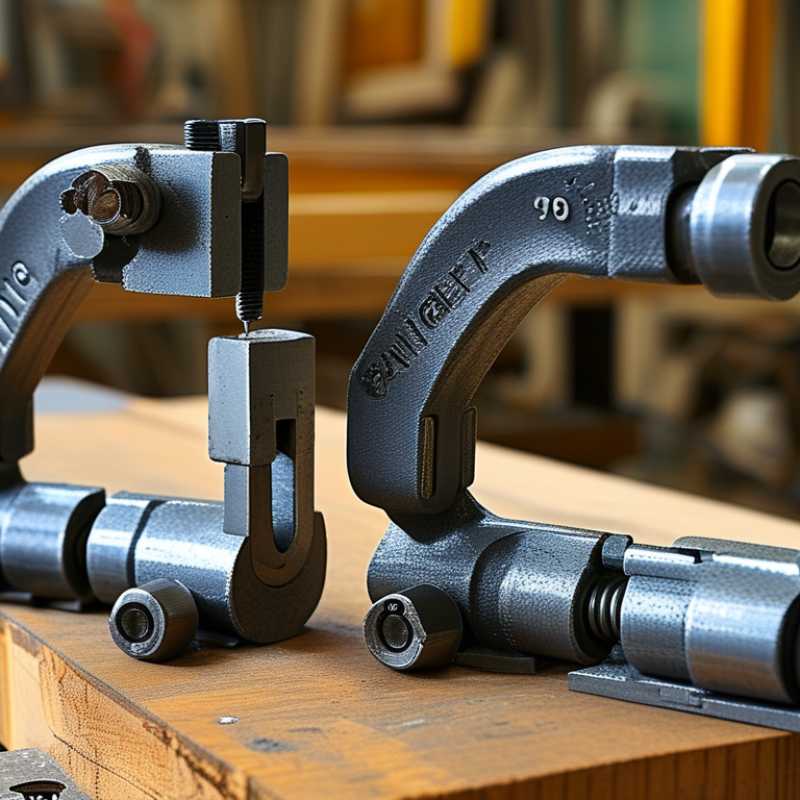
Understanding the Functionality of 90 Degree Toggle Clamps
When considering 90-degree toggle clamps, understanding their functionality is crucial. These clamps are designed to create powerful holding forces, making them ideal for various applications. In industrial settings, they can increase productivity by securing materials firmly during machining or assembly processes. Reports indicate that effective clamp utilization can improve assembly line efficiency by up to 25%.
When choosing the right toggle clamp, look at the capacity. Ensure it can handle the weight of your materials without strain. Evaluate materials and design. A well-crafted clamp minimizes wear and increases longevity.
Consider ergonomics too. A clamp that is easy to use reduces operator fatigue. Regular assessments of clamp performance can reveal shortcomings. They might not perform as expected after extended use. Always check for wear and adjust usage based on conditions. Properly maintaining your clamps is key to consistent performance and durability.
Identifying the Different Types of 90 Degree Toggle Clamps
When considering 90 degree toggle clamps, it's essential to understand their various types. Typically, these clamps fall into categories such as vertical, horizontal, and low-profile. Each type serves different purposes. For instance, vertical clamps are ideal for applications requiring maximum clamping force. Horizontal clamps, on the other hand, are often used in assembly lines where ease of access is crucial.
According to recent industry data, the demand for toggle clamps is rising continuously. The market for clamping devices is expected to grow by around 4% annually. This growth indicates that professionals are increasingly recognizing the importance of reliable fastening solutions. Choosing the right type of clamp can significantly impact efficiency in manufacturing processes.
It's important to consider factors such as ease of use and material compatibility. Not all clamps can handle the same load or adhere to different material types. Some users might overlook these details, leading to potential breakdowns or inefficiencies. Selecting the right clamp should involve a reflective evaluation of specific project requirements and constraints. Industry experts recommend taking the time to assess your needs carefully.
Key Factors to Consider When Selecting a Toggle Clamp
When selecting a 90-degree toggle clamp, it's crucial to consider a few key factors. The capacity is vital. Evaluate the amount of force required for your specific application. Choosing a clamp that can handle the pressure without compromise is essential for safety. Remember, underestimating force might result in failures at critical moments.
Another important aspect is the material used in the clamp's construction. Strong materials enhance durability and performance. Toggle clamps made from robust steel or aluminum often last longer than those made from weaker materials. Check for rust resistance too. If you work in a humid environment, this feature can prolong the clamp's lifespan significantly.
Ease of operation is also something to reflect upon. A clamp that is too stiff can slow down workflow, while a loose one might create safety risks. Test different models to find a comfortable balance. Small design variations can lead to major differences in performance. Always seek products that allow for effortless engagement and disengagement. These details can greatly influence efficiency and reliability in your projects.
Evaluating Quality and Durability in Toggle Clamps
When selecting a 90-degree toggle clamp, it's crucial to assess its quality and durability. A well-made clamp should withstand frequent use without showing signs of wear. Look for clamps that incorporate high-quality materials, like sturdy steel or aluminum. These materials not only enhance strength but also resist corrosion. This is key, especially in humid or varied-temperature environments. Observing these materials can help you avoid the pitfalls of cheaper options that may fail prematurely.
Testing the clamp's mechanism is just as important. A smooth operation without excessive play is essential for reliable performance. Some clamps require a firm force to operate. If it’s too stiff, consider it a red flag. On the other hand, a clamp that releases without proper locking can lead to unsafe conditions. Remember that a clamp’s longevity often correlates with its intended usage. Frequent heavy-duty use necessitates a more robust design. It’s wise to match the clamp’s specifications with your specific projects to ensure consistent reliability.
Quality and Durability Evaluation of 90 Degree Toggle Clamps
Ensuring Proper Size and Capacity for Your Application
Choosing the right 90-degree toggle clamp involves careful consideration of size and capacity.
A poorly sized clamp can lead to operational issues. If the clamp is too small, it may not hold the workpiece securely.
Conversely, a clamp that is too large might be cumbersome to use and lead to inefficiencies.
When assessing capacity, look at the weight of your materials. Each clamp has a maximum load rating. It's essential to match this with your application's demands.
For instance, if you’re working with heavy materials, a higher capacity clamp will be necessary. Yet, some users overlook this detail.
They opt for clamps based on price rather than functionality, leading to potential failures in projects.
Additionally, consider the working environment. Factors like humidity and temperature can affect clamp performance.
A clamp suited for one setting may fail in another. Testing the clamp before full-scale use can mitigate risks.
Assessing compatibility with your specific tasks enhances reliability and efficiency.
Remember, a small mistake in choosing the right clamp can derail an entire project.