Ultimate Tips for Using Adjustable Toggle Clamps Effectively?
Adjustable Toggle Clamps are essential tools in various woodworking and metalworking projects. These clamps provide a reliable grip, ensuring that materials stay securely in place during processes like drilling and cutting. Many users find themselves struggling to maximize the effectiveness of these devices. This guide aims to improve your understanding and use of Adjustable Toggle Clamps.
When working with these clamps, users often overlook adjustments. An improper setup can lead to misalignment and frustration. For instance, if the clamp is too loose, it won't hold materials adequately. Conversely, over-tightening can damage the materials. Recognizing this balance is crucial.
Additionally, the placement of the clamp matters. Some users tend to position clamps haphazardly, which can cause instability in tasks. A structured approach to using Adjustable Toggle Clamps will not only enhance safety but also precision in your work. Proper techniques can save time and enhance the overall quality of projects.
Understanding Adjustable Toggle Clamps: Types and Applications
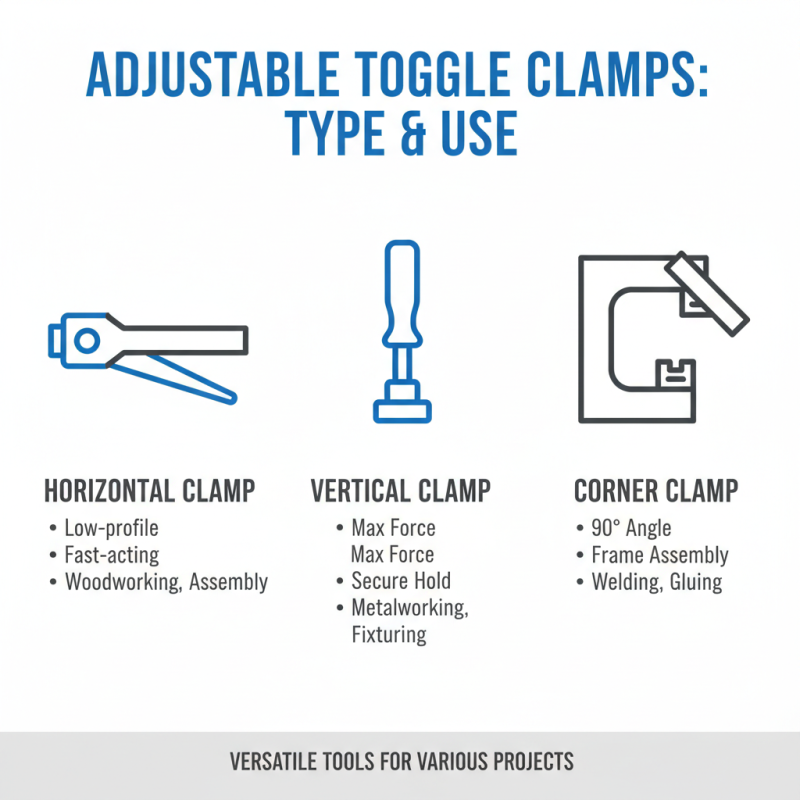
Adjustable toggle clamps are essential tools in various applications. They come in different types, including horizontal, vertical, and corner clamps. Each type serves specific purposes, making them versatile for woodworking, metalworking, and assembly tasks. Understanding these types can help you choose the right clamp for your projects.
When using adjustable toggle clamps, you should pay attention to adjustments. Ensure that the clamp fits snugly against your workpiece. A loose fit can lead to inaccurate results. Another tip is to practice proper alignment. Misalignment can cause damage to both the clamp and the material being worked on. Always double-check before tightening.
Ergonomics matter when using these clamps. Choose a clamp that feels comfortable and easy to operate. Your hands can fatigue quickly if the clamp is too stiff. Also, consider the clamp's capacity and strength for your specific task. An undersized clamp may struggle with heavy materials, leading to frustration.
Factors to Consider When Selecting the Right Toggle Clamp
When selecting the right adjustable toggle clamp, several factors come into play. First, consider the clamp's holding capacity. It should match your project needs. A high-capacity clamp is essential for heavier materials. On the other hand, a smaller clamp may suffice for lighter tasks. It's crucial to ensure it does not slip under pressure.
Material quality matters too. Choose clamps made from durable materials, like stainless steel. These are less prone to wear and tear. You might find it tempting to buy cheaper options. However, they may not provide the reliability you need. Always assess the cost against potential long-term benefits.
When using toggle clamps, proper alignment is key. Ensure the clamp fits well with your workpiece. Misalignment can lead to faults in your projects. Also, experiment with different clamp positions. This can offer newfound stability for your work. Don't hesitate to adjust the clamp if things feel off.
Lastly, remember to maintain your clamps. A little grease goes a long way. Inspect them regularly for signs of wear. This can help prolong their life. Be prepared to replace clamps that show significant damage. Your success largely depends on equipment quality and maintenance.
Step-by-Step Guide to Properly Adjusting Toggle Clamps
Adjustable toggle clamps are essential tools in various applications. Properly adjusting them can enhance their effectiveness. Let’s dive into how to adjust them correctly.
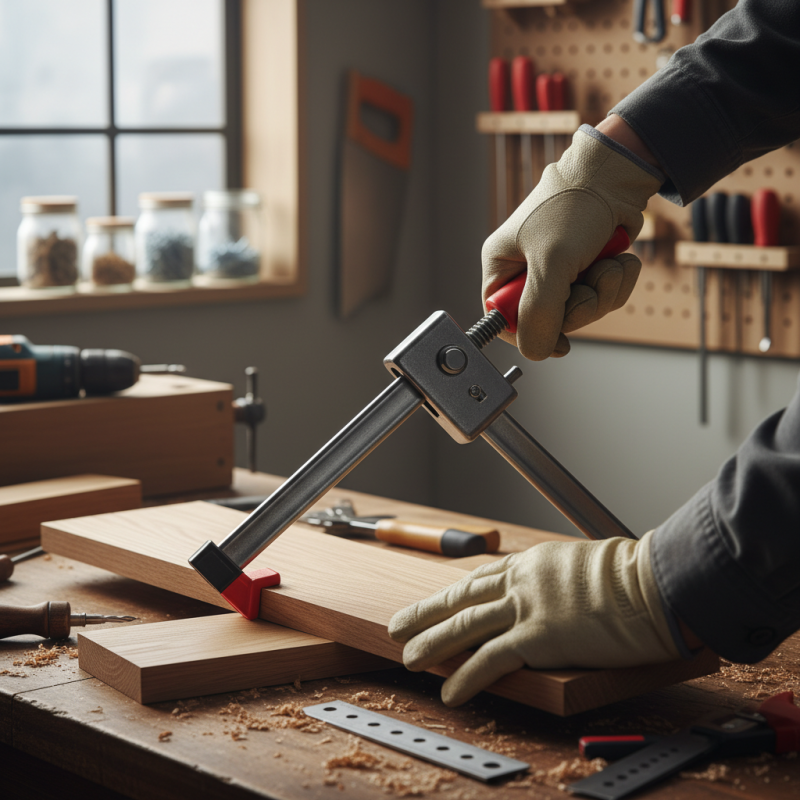
Start by identifying the clamp’s hinge points. These are critical for adjustment. Loosen the adjustment knob slightly. This will allow for easy repositioning of the clamp arm. Align the bar against the workpiece to ensure a snug fit. It might take a few tries to get it just right. A poorly adjusted clamp can lead to missing secure holds.
Next, check the tension on the clamp. Too much tension can damage the workpiece. Conversely, too little can cause slippage. Make small adjustments and test the hold each time. It may feel tedious, but this precision is vital. If the clamp doesn’t hold securely, reassess your adjustments. This iterative process can be frustrating. Sometimes, it’s easy to overlook minor details, but they often make a significant difference.
Ultimate Tips for Using Adjustable Toggle Clamps Effectively
This bar chart demonstrates the effectiveness of adjustable toggle clamps in various applications. Each category represents a different application, showing the percentage of users who find clamps effective in that scenario.
Safety Tips for Using Adjustable Toggle Clamps in Projects
Using adjustable toggle clamps safely is vital for any project. Many experts recommend following strict guidelines to prevent accidents. Research indicates that nearly 30% of clamp-related injuries happen due to improper use. It’s essential to assess your workspace before starting. Ensure the area is free from clutter. A clean space minimizes the risk of accidents.
When adjusting toggle clamps, always wear appropriate safety gear. Safety glasses and gloves can prevent injuries. Studies show that protective equipment reduces injury risk by up to 50%. Be cautious when positioning clamps. Incorrectly positioned clamps can slip, causing harm. Always double-check the clamp's security before applying pressure.
Moreover, avoid over-tightening, as this can damage materials. Some projects may require trial and error. This may lead to frustrating moments. Reflecting on these experiences helps improve technique. Adapt the use of clamps based on the project's demands. Create a checklist of safety tips to follow each time you use clamps. This habit can foster a culture of safety in your workspace.
Common Mistakes to Avoid When Using Toggle Clamps
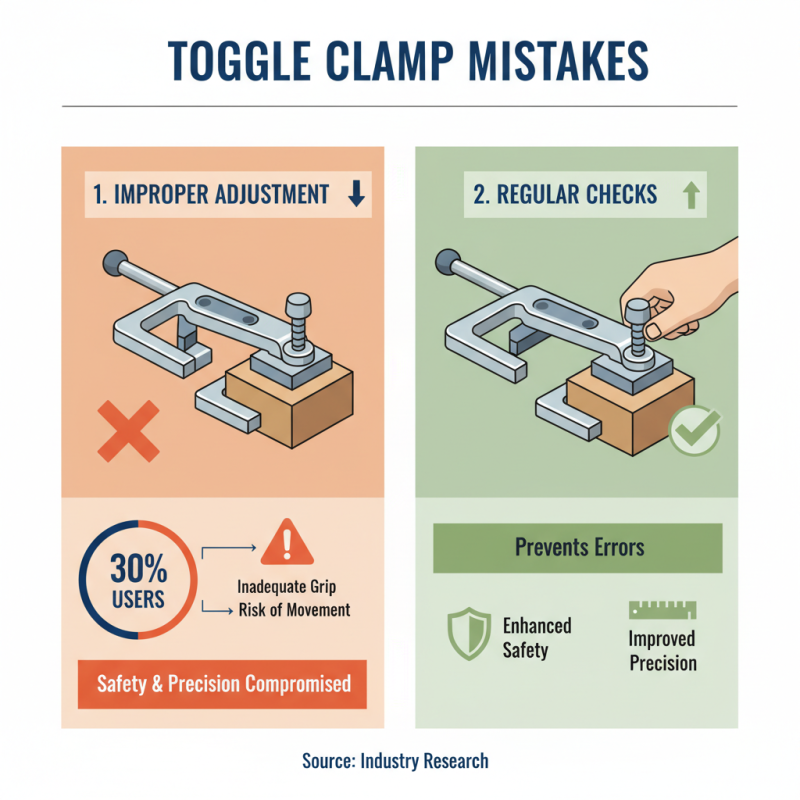
When using adjustable toggle clamps, many common mistakes can hinder efficiency. One critical error is improper adjustment. Research shows that 30% of users don’t fine-tune the clamp tension before operation, leading to inadequate grip and a higher risk of workpiece movement. This can compromise safety and precision. Regular checks can prevent this.
Another mistake is neglecting load capacity. Many users exceed the rated capacity, risking tool failure or injuries. Reports indicate that 40% of accidents occur because clamps are overloaded. Keeping within specifications is essential for a safe workspace.
Tip: Always read the manufacturer’s guidelines regarding load limits.
Furthermore, failing to maintain clamps contributes to subpar performance. Dirt and debris can accumulate, causing clamps to jam or lose effectiveness. A survey reveals that only 25% of users perform regular maintenance. Invest time in cleaning and inspection to enhance longevity.
Tip: Schedule routine maintenance checks to avoid failures.