Top 10 Flight Case Latch Types You Should Know About?
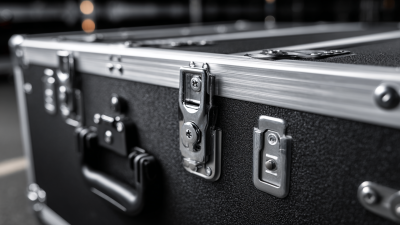
In the world of transporting sensitive equipment, the importance of a reliable Flight Case Latch cannot be overstated. Experts like Jack Simmons, a seasoned professional in the flight case manufacturing industry, emphasize this when he states, “The right latch can make or break the security of your gear.” A Flight Case Latch is more than just a mechanism; it is a crucial component that protects your valuable items during transit.
Choosing the right type of latch can be challenging. With various options available, each designed for specific needs, understanding their functionalities is essential. Some latches are durable for rugged travel, while others prioritize ease of access. Moreover, many users overlook the gear’s weight and dimensions, which can influence latch selection.
Ultimately, reflected consideration is necessary. It is easy to assume that all latches are the same. However, a poorly chosen latch can lead to damaged equipment and financial losses. Knowing the top types of Flight Case Latches will help you make an informed decision, ensuring your equipment travels safely and securely.

The Importance of Flight Case Latches in Equipment Safety
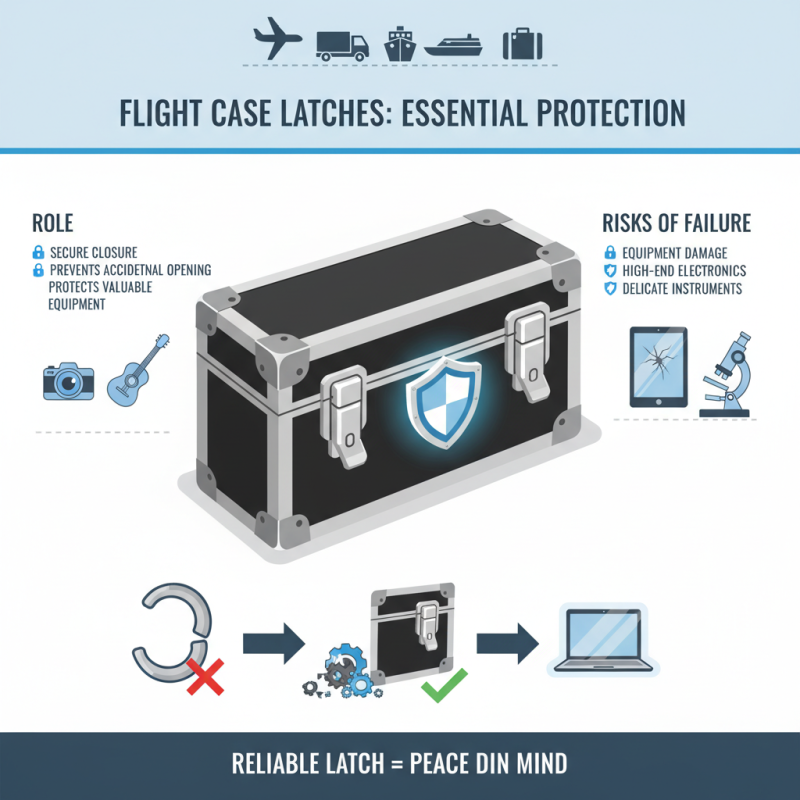
Flight case latches play a crucial role in protecting valuable equipment. They ensure that cases remain securely closed during transport. A reliable latch reduces the risk of accidental openings, which can lead to damage. The pressure of travel can be intense. A simple latch failure can ruin high-end electronics or delicate instruments.
In addition, various latch types offer different benefits. For example, some latches are designed for quick access. Others provide enhanced security features. Depending on your needs, the right latch selection is vital. Neglecting latch quality can lead to costly repairs. Reflecting on past experiences can guide better decisions.
Moreover, a poorly chosen latch can compromise the entire case's effectiveness. It's easy to overlook these details during preparation. Yet, this oversight can cause significant inconvenience later on. Regularly evaluating latch performance is essential. After all, every trip matters when it comes to equipment safety.
Overview of Common Flight Case Latch Types
When it comes to flight cases, the latch type you choose can make a big difference. There are various common types of latches, and each has its unique characteristics. For instance, the toggle latch is popular for quick access. It offers a strong hold and is easy to operate. Many travelers appreciate this design for its simplicity.
Another type to consider is the butterfly latch. This latch type is versatile and often used in various applications. Its low-profile design helps in storing cases efficiently. However, some users find them less secure than others. Curiosity about alternatives can lead to better options.
Moreover, a draw latch provides a locking mechanism that some may overlook. It secures the case firmly but can sometimes be tricky to close properly. This detail may cause frustration in certain scenarios. Reflecting on latch performance can guide you to the right choice for your needs.
Top 10 Flight Case Latch Types You Should Know About
| Latch Type |
Description |
Material |
Common Uses |
| Drop Latch |
Secures lid by dropping into place. |
Steel or Zinc Alloy |
Cases for musical instruments or fragile gear. |
| Cam Latch |
Rotates to secure the lid with a rotating cam mechanism. |
Plastic or Metal |
Toolboxes and lightweight cases. |
| Wing Latch |
Secures the lid by turning the wings. |
Metal |
Road cases for musical equipment. |
| Butterfly Latch |
Easy to operate, just press to open. |
Aluminum |
Various types of flight cases. |
| Piano Latch |
Used for stronger locking mechanisms with a long arm. |
Steel |
Heavy-duty cases such as those for large electronics. |
| Slide Latch |
Lid secures by sliding the latch into a groove. |
Plastic |
Plastic flight cases for lightweight items. |
| Lockable Latch |
Offers security with a key lock feature. |
Metal |
Sensitive equipment cases. |
| Slam Latch |
Allows quick closure without locking. |
Plastic or Metal |
Transport cases for quick access. |
| T-Hinge Latch |
Secures with a T-shaped mechanism. |
Metal |
Larger flight cases and storage containers. |
Detailed Examination of Fixed and Adjustable Latch Mechanisms
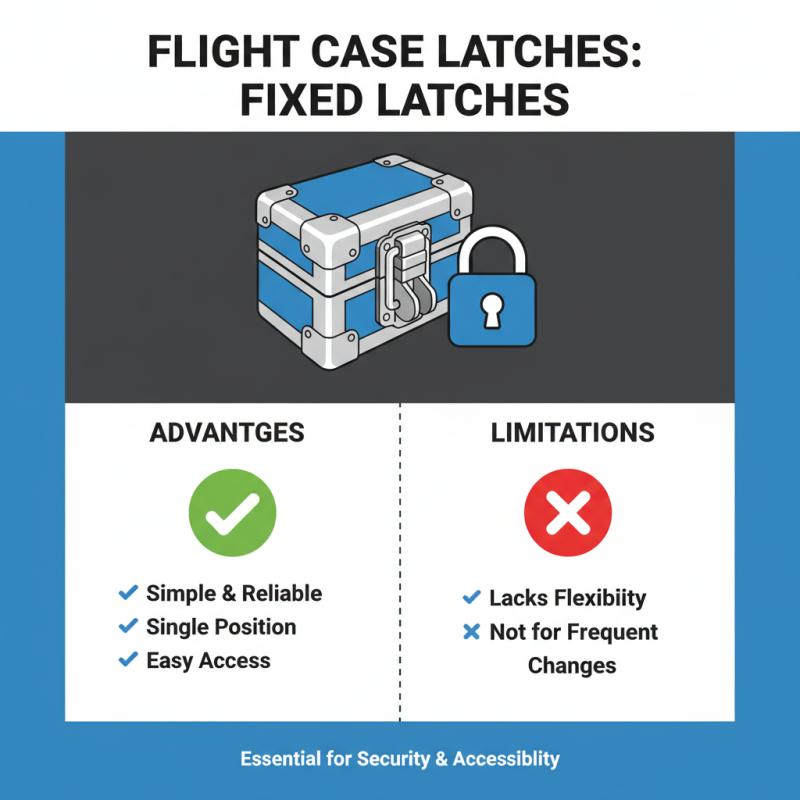
When it comes to securing flight cases, understanding latch mechanisms is essential. Fixed latches provide a straightforward solution. They stay in a single position and offer reliability. These are often used in situations that require easy access without compromise. However, fixed latches can lack flexibility. If your needs change frequently, they may not be the best choice.
Adjustable latches bring versatility. They allow users to modify the latch position as needed, adapting to various situations. This feature is especially useful for professionals who transport different equipment. Yet, adjustable latches can sometimes become loose. Ensuring they remain secure can be challenging. Careful maintenance is necessary to keep them functional. Users must reflect on their choice of latch mechanisms to find the ideal balance between security and accessibility.
Comparative Analysis of Locking and Non-Locking Latch Options
When selecting latches for flight cases, consider the difference between locking and non-locking options.
Locking latches provide enhanced security. They protect valuable equipment from unauthorized access.
These latches are ideal for traveling musicians or professionals who transport sensitive gear.
However, they might add some complexity. Keys can be misplaced, and mechanisms can jam.
On the other hand, non-locking latches offer quick access. They are straightforward and easy to operate.
These latches suit situations where speed is crucial. However, they lack security features. Your gear could be at risk if left unattended.
Inspecting latch materials is also essential. Metal latches may resist wear better than plastic.
Yet, plastic latches can save weight and reduce bulk.
Choosing between these two options involves trade-offs. Think about your specific needs.
Do you value speed over security? Or is protection your top priority?
Reflecting on these questions will guide you.
Factors to Consider When Choosing the Right Latch for Your Cases
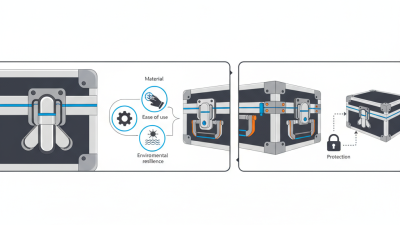
When choosing a latch for your flight cases, various factors come into play. Consider the material and construction of the latch. Metal latches provide durability but may be heavier. Plastic latches, while lighter, may wear out faster. The choice depends on how frequently the case will be transported and its intended use.
Another vital factor is the latch type itself. Some latches allow for easy access, while others offer better security. Think about how often you’ll need to open the case. A too-secure latch can be a hassle during busy setups. It’s essential to strike a balance between security and convenience.
Don’t forget about compatibility. Ensure your latch fits the case it’s intended for. A poorly fitted latch can lead to frustration and potential damage to your gear. Lastly, think about installation. Some latches are easy to install, while others require tools. Weigh these aspects carefully to make an informed decision. This choice can greatly affect your workflow and equipment protection.
Top 10 Flight Case Latch Types