Why Use Corner Braces for Furniture Stability and Support?
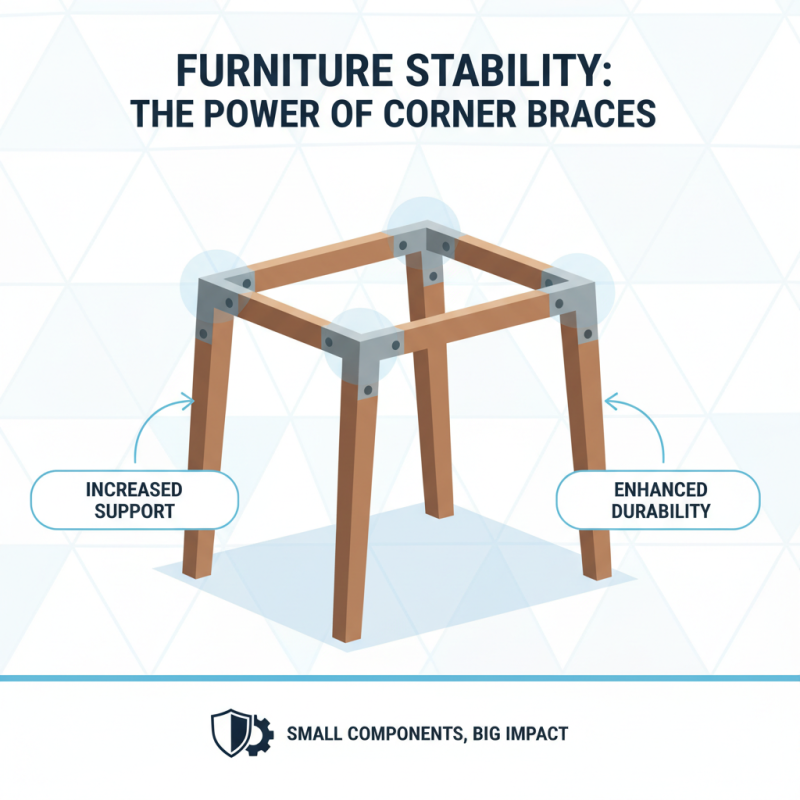
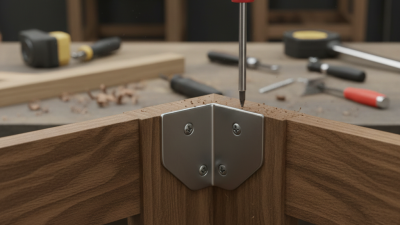
When it comes to building furniture, stability is crucial. One effective solution is the use of corner braces. These simple yet powerful components can significantly enhance the durability of your furniture. They come in various materials, like metal or wood. Their main purpose is to reinforce joints and prevent wobbling.
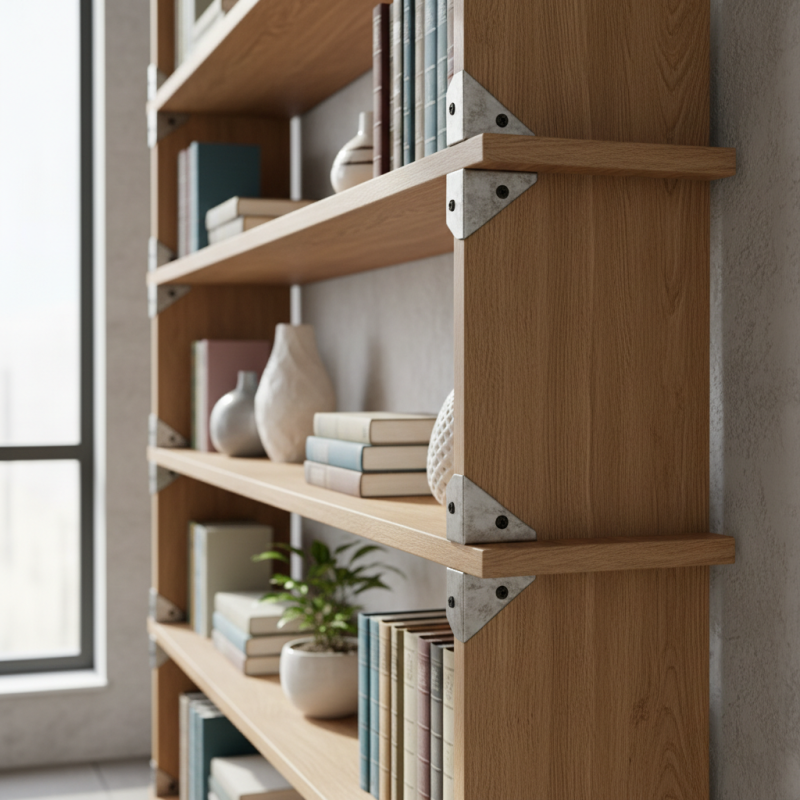
Consider a bookshelf. Without proper support, it can lean or even collapse. Adding corner braces can transform a weak structure into a resilient one. It’s worth noting that not every project requires them. You may need to reflect on your specific needs and design.
Using corner braces may seem like a small detail. However, it can make a big difference in the long run. A well-supported piece of furniture leads to safer homes. Ultimately, the choice to use corner braces can be pivotal.
Understanding the Purpose of Corner Braces in Furniture Design
Corner braces play a crucial role in furniture design. They provide extra support and stability to various pieces. These small but mighty components are often overlooked. However, their impact can be significant in the long run.
When designing furniture, stability is vital. Without proper support, even the prettiest table can wobble. Some users neglect this aspect, only to face issues later. Corner braces can prevent such problems. They reinforce joints and keep everything aligned. This is important for items like shelves and cabinets, where weight distribution matters.
Using corner braces also allows for creativity. Designers can experiment with different materials and shapes. It can enhance both functionality and aesthetics. Still, there are times when users might skimp on these braces. This can lead to regrets as furniture shows signs of wear. Ultimately, balancing form and function is essential in furniture design.
Types of Corner Braces: Materials and Designs for Stability
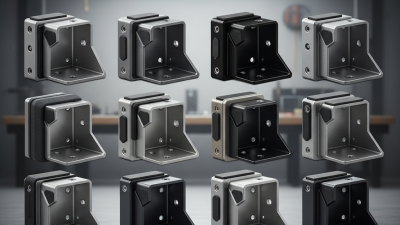
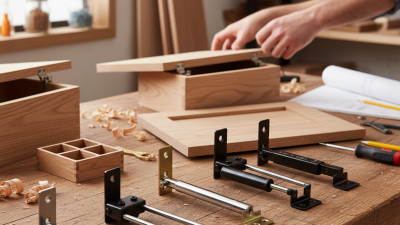
When considering furniture stability, the choice of corner braces plays a crucial role. Corner braces come in various materials and designs. Common options include metal, wood, and plastic. Each material has its unique benefits. Metal braces typically offer strength and durability. Wood braces can blend seamlessly with furniture aesthetics. Plastic braces are lightweight yet surprisingly strong.
Data from industry reports indicates that furniture using corner braces can reduce wobbling and increase overall stability by up to 50%. This enhancement can prolong the life of your furniture. Choosing the right design is essential. For example, L-shaped braces work well for tables and shelves. Triangular braces add strength to cabinets and larger furniture pieces.
Tip: Always consider the weight capacity of your braces. Not all designs can support heavy loads. Inspect your furniture regularly. Look for signs of wear, as even the best quality braces may require replacement over time. Corner braces can solve many issues, though they aren't foolproof. Choosing wisely can make a significant difference.
Why Use Corner Braces for Furniture Stability and Support?
| Type of Corner Brace |
Material |
Design Style |
Weight Capacity (lbs) |
Uses |
| L-Shaped Corner Brace |
Steel |
Modern |
200 |
Tables, Cabinets |
| Angle Bracket |
Aluminum |
Industrial |
150 |
Shelves |
| Heavy Duty Corner Brace |
Stainless Steel |
Contemporary |
300 |
Heavy Furniture |
| Decorative Corner Brace |
Brass |
Vintage |
100 |
Furniture Decoration |
| Plastic Corner Brace |
Plastic |
Minimalist |
50 |
Lightweight Furniture |
How Corner Braces Enhance the Durability of Furniture
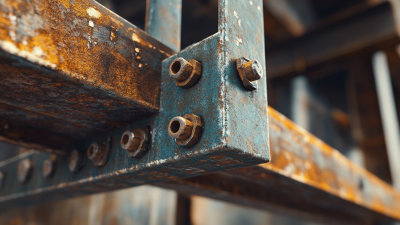
Corner braces play a crucial role in enhancing the durability of furniture. These small yet effective metal brackets provide structural support, especially in right angle joints. Reports indicate that furniture designed with corner braces can withstand up to 30% more stress compared to those without. This added strength is essential for pieces like cabinets and bookshelves that bear heavy loads.
Moreover, the installation of corner braces can prevent warping and sagging over time. A study published in the Journal of Furniture Engineering highlighted that reinforced joints reduce the likelihood of failure due to regular use. With corner braces, furniture maintains its form, leading to improved longevity. Despite their great utility, some may overlook this simple addition. This oversight can result in significant costs when repairing or replacing pieces.
Additionally, the aesthetic appeal of furniture should not be sacrificed for durability alone. Oftentimes, visible corner braces can alter the design. However, many manufacturers focus on creating sleek options that blend seamlessly. A balance between functionality and style can significantly enhance the overall user experience while ensuring the piece remains stable and reliable over time.
Installation Tips for Optimal Corner Brace Effectiveness
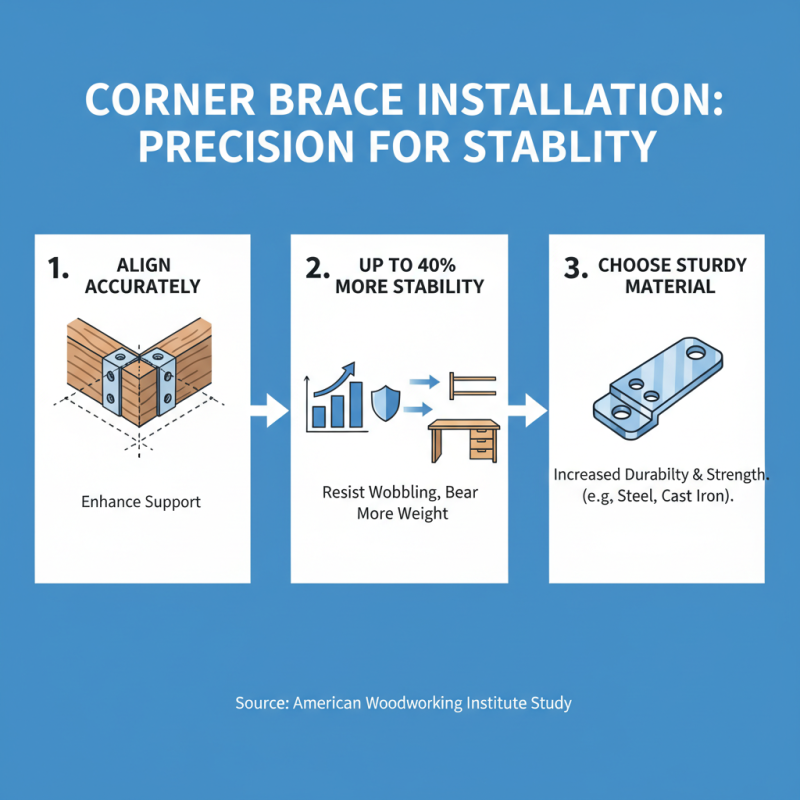
When installing corner braces, precision is key. Align the braces accurately to enhance their support. A study by the American Woodworking Institute indicates that properly installed corner braces can increase a furniture's stability by up to 40%. This means that your desks or shelves will withstand more weight and resist wobbling. Choose a sturdy material for your braces to enhance durability.
Ensure you have the right tools. A drill, screwdriver, and level are essential. Measuring repeatedly can save time later. A miscalculation might lead to uneven furniture. Additionally, avoid over-tightening screws, as this could damage the wood or the brace itself. According to industry surveys, improper installation practices lead to 15% of furniture failures. This highlights the importance of doing it right.
Lastly, consider the furniture type. Heavy pieces like bookshelves need more robust braces. Lighter items, such as small tables, may need less reinforcement. Keep in mind that corner braces are not a one-size-fits-all solution. Each piece may require unique adjustments to achieve optimal stability and support.
Common Applications of Corner Braces in Various Furniture Styles
Corner braces enhance stability in many furniture pieces. They are essential in desks, bookshelves, and tables. When these braces are placed at joints, they provide extra support. This reinforcement helps furniture withstand heavy loads.
In traditional wooden furniture, corner braces improve strength. They prevent wobbling, especially in large sideboards or dining tables. In modern designs, such as minimalist pieces, corner braces can be subtle yet effective. They blend into glass or metal edges without drawing attention.
Improper installation can lead to issues. If not aligned correctly, braces may create stress points. Over time, this could damage the structure. It’s crucial to assess weight distribution when using corner braces. Without careful thought, a beautiful piece can become unstable. Adding a touch of design can be tempting, but functionality must remain the priority.
Why Use Corner Braces for Furniture Stability and Support?