Leave Your Message

How to Choose the Best Handle Grip for Your Needs?

A handle can look comfortable on a product shelf and still feel wrong after ten minutes of use. The right Handle Grip depends on the task, the user, and the conditions around it. A bicycle grip faces sweat, vibration, and changing hand positions. A garden-tool grip must stay secure when gloves are damp. These differences matter.

Industrial designer Niels Diffrient is often credited with the ergonomic reminder, “The best posture is the next posture.” It is a useful idea when comparing grips: comfort is not only about softness. A grip should support natural hand movement, distribute pressure, and allow a controlled hold without forcing the fingers into one fixed position. Still, no single design suits everyone. Hand size, grip strength, material, texture, and exposure to water or heat can change the experience.

This guide looks at those details in practical terms. You’ll learn how to compare grip shapes, materials, diameters, and surface patterns, then match them to your intended use. A simple test helps: hold the product in your normal working position and notice pressure points, slipping, or fatigue. Try it with the gloves you actually wear. Small differences can be revealing. And some choices may need a second look after real use.
How to Choose the Best Handle Grip for Your Needs?

Identify Handle Grip Types and Their Intended Uses

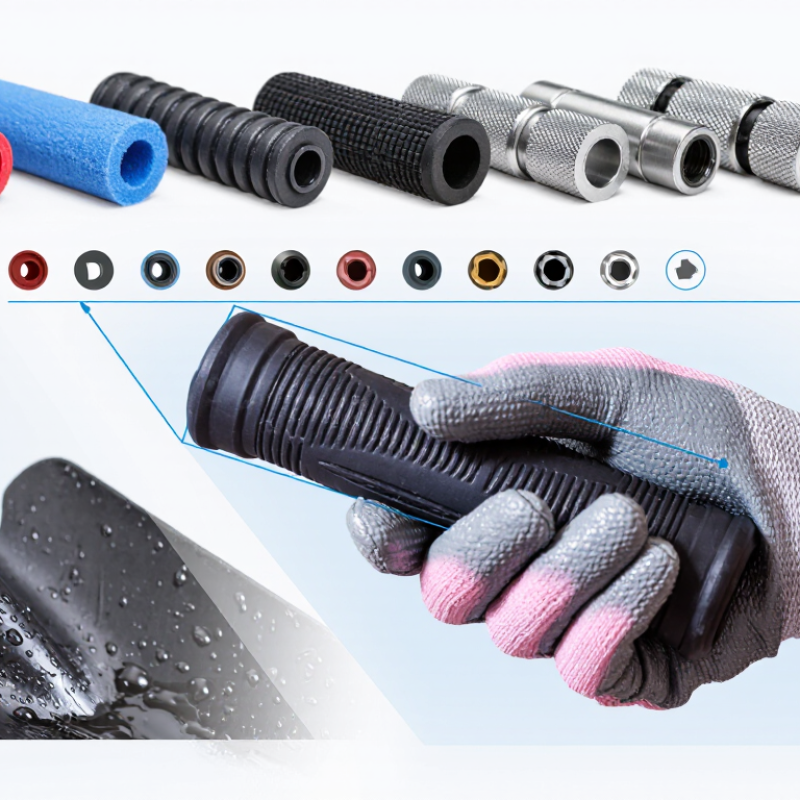
Handle grips do more than add comfort. They affect control, pressure, and fatigue during repeated tasks. A smooth, firm grip suits light-duty tools or brief use, especially when easy cleaning matters. Textured rubber or molded surfaces can help maintain hold when hands are damp, but deep ridges may irritate sensitive skin. Foam grips cushion vibration and pressure, though they can compress or wear sooner under heavy use.

Contoured grips are shaped for particular hand positions. They may support a more natural wrist angle during longer tasks, but a molded shape can feel wrong if it does not match your hand. Choose a diameter that lets you hold the item without squeezing tightly. For carrying handles, check the edge and finger clearance; a narrow handle can pinch when a load shifts. Intended use matters more than appearance.

Tips: Match the grip to the task, glove use, and exposure to water or dust. Hold the item for a minute before deciding. Notice slipping or pressure points. If possible, test it during a normal task; a grip that feels soft in a shop may feel bulky after an hour. Even with these guidelines, the best fit can be surprisingly personal.


Assess Your Activity, Hand Size, and Support Needs

Start with the task, not the handle’s appearance. A grip used for brief, forceful lifts should feel secure without making your fingers strain. For repeated work, such as pruning or using a hand tool, prioritize a relaxed wrist and a surface that stays comfortable through many cycles. The UK Health and Safety Executive estimated 543,000 workers experienced work-related musculoskeletal disorders in 2023/24, causing 7.8 million lost working days. This covers many causes, not handle injuries alone, but it shows why fit and repetition deserve attention. A small mismatch can become tiring.

Hand size matters. The U.S. Army’s ANSUR II survey measured 6,068 service members, documenting variation in hand dimensions; its military sample does not represent everyone. Compare grips in person when possible: fingers should wrap without painful overlap, and the handle should not force your palm to stretch. Need more support? Look for a shape that spreads pressure and steadies the hand, especially if grip strength is limited. Try it with the gloves or equipment you actually use. Fit is personal. I would not trust a single “ideal” size chart; comfort during the real task is a better check.

Compare Grip Materials, Texture, and Comfort

A handle grip should feel secure without forcing your hand to clamp down. Rubber and silicone often offer dependable traction and some cushioning, though softer compounds may wear or collect dust faster. Foam feels light and can ease pressure during longer use, but it may compress over time. Leather can feel warm and breathable, yet it usually needs more care if it gets damp. Small details matter. Check how the material feels against bare skin and, if relevant, your usual gloves.

Texture changes comfort as much as material does. Fine grooves can help channel sweat, while raised patterns may improve purchase when your hands are wet. But an aggressive pattern can rub sensitive spots during repeated use. There is no perfect answer, and that can be annoying. Handle diameter matters too: a grip that is too thick may strain smaller hands, while a narrow one can feel tiring to hold. Try holding the grip for several minutes, not just giving it a quick squeeze. Notice pressure around your thumb and fingers. A comfortable grip should feel stable without leaving deep marks or making your hand feel numb.

How to Choose the Best Handle Grip for Your Needs?

Compare typical grip materials by dry grip, wet grip, cushioning, and durability.

Ratings use a relative 1–5 scale and summarize common material characteristics, not laboratory measurements. Actual performance varies with texture, formulation, use, and care. Choose based on your conditions: textured rubber for secure handling, foam for cushioning, or cork for a lightweight feel.

Check Handle Compatibility, Fit, and Installation

Before choosing a handle grip, measure the bare handle’s diameter and usable length. Check whether the grip attaches with a clamp, adhesive, or a snug slip-on fit. Also compare its inner diameter with the handle, not just the product’s outer width. A mismatch can cause twisting, gaps, or pressure points. Check clearance around collars, cables, and moving parts.

Fit matters during real use. NIOSH’s 2004 guide, A Guide to Selecting Non-Powered Hand Tools, gives a 1.25–2-inch handle diameter range for power grips and 0.3–0.5 inches for precision grips. These are ergonomic reference ranges, not universal rules for every product. Choose a shape that lets your hand stay relaxed; a grip that feels secure in a quick test may become uncomfortable after ten minutes. That detail is easy to miss. For installation, clean and dry the handle, align the grip, and follow the fitting instructions. Avoid forcing a grip that bunches or slides.

Tips: Measure twice. Test the grip before regular use. After installation, twist and pull it gently; any movement means the fit needs checking. If the handle is worn or damaged, replace or assess it before fitting a new grip.

Evaluate Grip Durability, Care, and Safety

Choose a handle grip by testing it under the conditions you actually face. A dry showroom sample can feel secure, then turn slick with damp hands or cleaning residue. Check the surface for even texture, firm seams, and edges that will not rub your palm. Grip it for several minutes, not just a quick squeeze. Small details matter. A soft coating may feel pleasant but wear quickly; a harder surface may last longer yet feel tiring. There is no perfect material for every hand, and I still find that easy to underestimate.

Care affects safety, too. Ask whether the grip tolerates routine cleaning, moisture, and the temperatures it will encounter. Follow the maker’s care instructions, and replace a handle if it cracks, loosens, or becomes tacky. The U.S. Bureau of Labor Statistics reported 2.6 million nonfatal workplace injury and illness cases in private industry in 2023. That figure does not show that handle choice caused those cases, but it underlines why small equipment checks deserve attention. NIOSH ergonomic guidance also emphasizes fitting tools to the task and reducing awkward force. Try the grip with your usual gloves, if applicable, and notice whether your wrist stays straight. A grip that feels secure at first can still become uncomfortable over a full shift. I would recheck it after cleaning, not just on purchase day.

How to Choose the Best Handle Grip for Your Needs? - Evaluate Grip Durability, Care, and Safety

Compare common grip materials by their typical characteristics. Actual performance depends on the product’s design, surface texture, exposure, and condition.

Grip Material or Type Grip and Comfort Typical Durability Care and Cleaning Safety Considerations Often Suited To
Silicone Soft and flexible; texture can help with control. Oils or soap residue may reduce traction. Generally resistant to moisture and many everyday cleaning conditions; can still tear or wear with abrasion. Usually easy to wipe or wash. Follow the manufacturer’s instructions and dry before use. Check that the grip fits securely and is not cracked, loose, or contaminated. Everyday use where a washable, flexible grip is preferred.
Thermoplastic rubber (TPR) Often provides a cushioned, slightly tacky feel; grip varies with formulation and surface pattern. Can handle regular use, but heat, sunlight, chemicals, and wear may affect some formulations. Clean with mild soap and water when appropriate; avoid solvents unless approved for the product. Inspect for hardening, cracking, tackiness, or movement on the handle. Tools and equipment where cushioning and a textured hold are useful.
Foam Lightweight and cushioning; compresses under pressure and may feel less supportive as it wears. May flatten, tear, or deteriorate with frequent abrasion and prolonged exposure to moisture or sunlight. Clean gently and allow to dry fully; avoid soaking unless the product is designed for it. Replace if it becomes loose, split, or permanently compressed; damp foam can be uncomfortable and harder to grip. Applications where low weight and cushioning matter more than heavy-duty wear resistance.
Textured polypropylene Firm rather than cushioned; molded ridges or texture can improve control compared with a smooth surface. Typically resists moisture and everyday handling; impact, stress, or prolonged exposure can still cause damage. Usually easy to clean with a damp cloth and mild detergent; dry before use. A hard surface offers little cushioning. Check the texture and fit, especially if hands may be wet. Users who prefer a firm, low-maintenance grip.
Leather Can feel comfortable and conform with use; surface traction varies with finish and condition. Can wear well with suitable care, but repeated moisture and drying may cause stiffness or deterioration. Keep as dry as practical and use care products intended for the material; follow product guidance. Wet or oily leather may become slippery. Check for loose seams, cracking, and surface wear. Dry-use settings where a traditional feel is preferred and routine care is acceptable.

Selection tip: Choose a grip that fits the handle securely, feels comfortable in your hand, and suits the expected moisture and cleaning conditions. Keep the grip and your hands clean and dry when possible, inspect regularly, and replace a damaged or loose grip.