Leave Your Message

What Is a Chest Handle and How Is It Used?

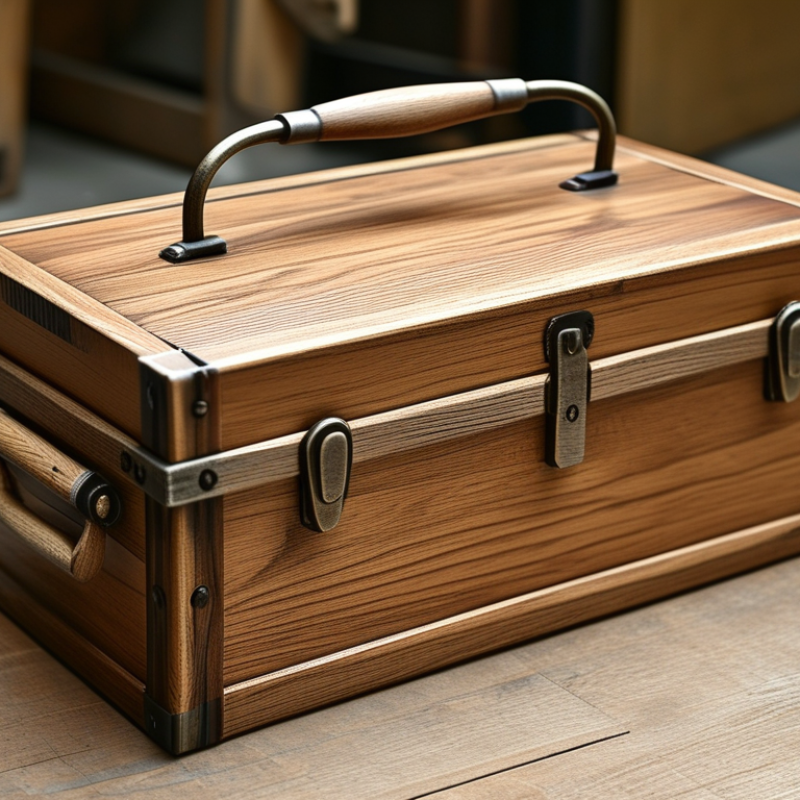
A Chest Handle is a fitted grip that helps people open, carry, or reposition a chest-style container. It may appear on a wooden storage chest, tool chest, trunk, or upholstered blanket box. The design usually includes a grip, mounting plates, and screws or bolts. Some models also use hinges, leather straps, or recessed hardware.

Small hardware, important job.

In practical use, the handle transfers pulling force from your hand to the chest lid or body. A centered lid handle can provide controlled opening, while side handles can support careful lifting. Tool chests often use strong metal handles with textured surfaces. Wooden chests may use brass, steel, or iron fittings for a different appearance and feel. The correct choice depends on weight, material, mounting space, and expected use.

A reliable installation begins with accurate measurements. Check the handle’s center-to-center spacing, screw length, and mounting surface thickness. The screws should hold firmly without piercing the chest wall or damaging stored items. Rounded edges can reduce discomfort during repeated use. A loose handle is more than an annoyance; it can cause sudden movement and damaged contents.

There is no universal Chest Handle.

A decorative pull may suit a light blanket chest, but it may fail on a loaded tool chest. Personal experience also reveals an easy mistake: choosing appearance before checking load capacity. Manufacturer specifications offer useful guidance, although real-world wear may differ. Inspect the fittings periodically, especially after moving the chest or using it in a workshop. This guide explains common types, practical uses, installation considerations, and signs that replacement may be necessary.
What Is a Chest Handle and How Is It Used?

Definition and Basic Structure of a Chest Handle

A chest handle is the grip attached to a drawer, storage chest, or chest of drawers. It transfers hand force to the drawer front. Its basic structure usually includes a grip, two mounting posts, and screws or bolts. Some designs use a recessed cup instead of an external bar. The grip may be metal, wood, plastic, or a mixed material. Its shape affects finger clearance, pulling direction, and cleaning effort. A 2023 U.S. Consumer Product Safety Commission report recorded 71 furniture tip-over deaths from 2011 to 2021. The handle is not the only safety factor, but a stiff drawer can encourage excessive pulling force. That detail is often overlooked.

Tips: Check the handle’s fixing points before installation. Leave enough space for three fingers. Avoid sharp edges and loose fasteners. Test the drawer with one hand.

A reliable chest handle should feel stable without demanding a tight grip. Mounting plates distribute force across the drawer face. Washers can reduce surface damage on thin panels. For daily use, a slightly rounded grip usually feels better than a narrow, angular one. ASTM F2057-23 addresses clothing-storage-unit stability, reminding designers to consider the entire chest, not only its hardware. In practice, perfect alignment is not always achieved. Even a small offset can make a drawer feel awkward. Measure twice, then test the handle with the chest fully loaded. A handle that looks strong may still loosen over time. Periodic inspection remains necessary.

Types of Chest Handles and Their Common Materials

A chest handle is hardware fitted to a storage chest, trunk, or tool box. It helps users lift, carry, or open the container with better control. On a wooden chest, the handle also affects its appearance and daily comfort. A sharp edge can catch clothing, while a loose grip may shift under weight. Small details matter.

Common types include recessed handles, bail handles, drop handles, and fixed pull handles. Recessed handles sit inside the panel, so they save space and reduce snagging. Bail handles swing from two mounting points and suit portable chests. Drop handles fold down when unused, which helps protect the surrounding surface. Fixed pulls remain in one position and often provide a stronger, more direct grip. Measure twice. Mounting depth is easy to overlook.

Material choice changes durability and maintenance. Powder-coated steel handles offer useful strength for heavy storage, but damaged coatings may allow rust. Stainless steel handles resist moisture and suit workshops or coastal areas. Brass provides a warm, traditional appearance and develops a natural patina over time. Aluminum is light, although it may bend under excessive force. Zinc alloy can provide detailed shapes, but quality varies between products. Nylon or other reinforced polymers resist corrosion and feel less cold. Wooden handles feel comfortable, yet they need sealing and careful inspection. There is no perfect material. I would match the handle to the chest’s load, environment, and mounting structure rather than appearance alone.

How a Chest Handle Is Used Step by Step

What Is a Chest Handle and How Is It Used?

How a Chest Handle Is Used Step by Step

A chest handle is a grip fixed to a storage chest, tool box, or wooden trunk. It helps you lift, pull, or reposition the container safely. Before using it, inspect the handle, screws, and surrounding material. Look for cracks, loose fasteners, rust, or sharp edges. A damaged handle can fail without warning. Check the chest’s weight, too. Do not assume the handle can carry a fully packed box.

Stand close to the chest with your feet shoulder-width apart. Bend your knees and keep your back fairly straight. Hold the handle with a firm, comfortable grip. Lift slowly, using your legs rather than pulling hard with your back. If the chest has two handles, use both hands or ask another person to help. Keep the load near your body while moving it. Place the chest on a stable, level surface, then release the handle carefully.

Never drag a chest by a single loose handle. That mistake can damage the fittings or twist the lid. The first lift may feel awkward. Stop and adjust your grip if the chest shifts, pinches your fingers, or feels heavier than expected. Afterward, retighten visible screws and test the handle gently before storing the chest again.

Installation and Replacement of a Chest Handle

A chest handle is the grip fixed to a storage chest, tool box, or wooden trunk. It helps you lift, carry, or open the chest safely. Handles may be recessed, surface-mounted, or attached with brackets. Before installation, inspect the lid, mounting area, and existing screws for damage. A loose handle can pull out suddenly and cause the chest to fall.

For replacement, remove the old handle with the correct screwdriver or wrench. Keep the screws nearby, but do not reuse damaged hardware. Measure the distance between the mounting holes. The new handle should match this spacing and support the chest’s weight.

Mark each hole carefully, then drill pilot holes when the material is wood. Pilot holes reduce splitting. On thin panels, use washers and locking nuts behind the surface.

Tighten the fasteners firmly, but avoid crushing the material. I once overtightened a screw and weakened the panel. That small mistake made the handle less secure.

Tips:

Test the handle before loading the chest. Pull gently in several directions. Check for movement, sharp edges, and uneven mounting. If the chest carries heavy items, choose a reinforced handle and inspect it regularly. Replacement work is not always perfect on the first attempt. Recheck the alignment before final tightening.

Safety, Maintenance, and Troubleshooting Tips

A chest handle is the grip fixed to a tool chest, storage box, or mobile cabinet. It transfers lifting and pulling force from your hand to the frame. A safe handle should feel rigid, remain fully attached, and have enough clearance for gloved fingers. Never assume appearance proves strength. The 2023 U.S. Bureau of Labor Statistics Survey of Occupational Injuries and Illnesses recorded about 1.16 million private-industry cases involving days away from work. Poor handling can contribute to these injuries.

Inspect the handle before moving a loaded chest. Check bolts, rivets, welds, plastic cracks, sharp edges, and rust around mounting points. Test for movement without lifting the chest. If it shifts, rattles, or bends, unload the chest and tighten or replace the damaged hardware. Use the manufacturer’s rated capacity when available. The NIOSH Revised Lifting Equation lists 51 pounds as a recommended limit only under ideal lifting conditions. Real workplaces rarely provide ideal conditions. That detail is easy to overlook.

Keep the grip dry and free from oil, metal chips, and cleaning residue. Apply lubricant only to moving joints, not to the hand-contact surface. Do not drag a chest by its handle across uneven floors. This can loosen fasteners and distort the frame. A cracked weld requires professional repair or replacement, not a quick patch. During troubleshooting, listen for new creaking and compare both mounting sides. A rushed inspection can miss a small fracture. I would also record inspection dates, because memory is an unreliable maintenance system.