Leave Your Message

7 Best Corner Protectors for Global Buyers?

Choosing the right Corner Protector can prevent cracked edges, crushed cartons, and expensive customer complaints. Global buyers face different risks during packing, storage, and long-distance transport. A protector that works for a wooden table may fail on glass panels or heavy machinery.

This guide reviews seven practical options for international purchasing teams. We compare foam, plastic, cardboard, rubber, and reinforced designs. Key factors include impact absorption, corner fit, moisture resistance, temperature tolerance, and installation speed. We also consider minimum order quantities, packaging volume, supplier consistency, and sample availability. Small details matter. A loose protector can slide during vibration. A rigid model may mark polished surfaces. Adhesive versions can weaken inside a humid container.

Our evaluation reflects common warehouse and shipping conditions, including pallet stacking, forklift movement, and crowded loading areas. We look for clear product specifications, repeatable quality, and transparent supplier communication. Buyers should still test samples with their own products. No single option wins every shipment. That is the part many buying guides overlook.

We also examine practical trade-offs between protection and cost. Thicker material may reduce damage but increase freight charges. Reusable protectors can support sustainability, yet they may require return logistics. Some conclusions may change after real-world testing. A careful buyer should measure corner dimensions, check surface compatibility, and review performance after transit. The best choice is not always the most expensive one. It is the protector that performs reliably under the buyer’s actual conditions.
7 Best Corner Protectors for Global Buyers?

What Are Corner Protectors and Why Do Global Buyers Need Them?

7 Best Corner Protectors for Global Buyers

Corner protectors are packaging components placed over box edges and corners. They absorb impact, reduce crushing, and help straps distribute pressure. Common options include molded pulp, corrugated board, foam, plastic, and reusable metal profiles. Selection depends on product weight, moisture exposure, stacking height, and transport distance.

Global buyers need them because international cargo faces repeated handling. The UNCTAD Review of Maritime Transport 2023 reports that over 80% of global merchandise trade by volume moves by sea.

Containers may experience vibration, compression, humidity, and sudden impacts before delivery. The Pitney Bowes Parcel Shipping Index 2023 recorded about 161 billion parcels worldwide in 2022. More parcel movements create more opportunities for damaged corners.

A practical specification should match protection with material efficiency. Heavy products may need rigid fiber or reinforced plastic profiles. Lightweight cartons often perform well with paperboard or molded-pulp guards. Foam works for sensitive surfaces, but it can increase plastic use and disposal concerns.

ASTM and ISTA test methods can assess compression, vibration, and drop performance before large-scale purchasing. A thicker protector is not automatically safer. Poor sizing can leave gaps, shift during transit, or damage the carton itself.

Buyers should request compression data, moisture resistance details, dimensional tolerances, and sample testing records. Some suppliers provide impressive laboratory results, yet real warehouse handling may be rougher. That gap deserves attention.


Which Types of Corner Protectors Suit Different Products and Industries?

Corner protectors are not simple packing accessories. Their material, profile, and fixing method should match the product and shipping route. For glass panels, mirrors, and ceramic slabs, rigid foam or molded pulp guards spread pressure across fragile edges. Soft foam works better for polished surfaces. It cushions contact without leaving scratches. I have seen thin foam fail when stacked under heavy cartons. Edge compression matters more than appearance.

Furniture makers often need strong plastic or laminated paperboard corners. These protect cabinet edges, tabletops, and assembled frames during pallet movement. Heavy metal parts require dense rubber, reinforced polymer, or multilayer board. The protector must resist punctures from bolts and brackets. For appliances, molded pulp can reduce abrasion, while corrugated profiles suit lighter outer cartons. Electronics need antistatic-compatible materials when exposed components are nearby. A small gap can help. It prevents rubbing, but too much space allows movement.

Construction materials such as stone, flooring, and aluminum profiles benefit from long edge guards with moisture-resistant surfaces. Export shipments need designs that tolerate vibration, humidity, and repeated handling. Food and pharmaceutical packaging often uses clean, fiber-based protectors with controlled dust levels. Requirements vary by package design and destination rules. Do not trust a catalog image alone. Test loaded cartons with drop, compression, and vibration trials. I would also inspect corners after unloading, not only before dispatch. That step is easy to miss. A protector can look intact while the product edge is already damaged. Choosing by industry alone is imperfect; product weight, finish, stacking height, and route usually decide the better type.

How to Evaluate Material, Design, Size, and Protective Performance

7 Best Corner Protectors for Global Buyers?

Choosing corner protectors requires more than checking thickness. Material affects shock absorption, moisture resistance, and recyclability. The U.S. EPA reported 82.2 million tons of containers and packaging in 2018, showing why material efficiency matters.

Corrugated protectors suit dry shipments and easy recycling. Foam offers stronger cushioning but may create disposal concerns. Molded pulp feels sustainable, yet it can weaken in humid warehouses.

Design must match the product’s geometry. A protector should cover the vulnerable edge without blocking labels or strapping. Measure length, width, and corner radius carefully.

Oversized parts may shift during transport. Undersized parts can leave pressure points exposed. Testing should follow recognized procedures, such as ASTM D4169 or ISTA protocols.

In my packing trials, a tight fit often performed better than a thicker, loose protector. Still, laboratory results cannot perfectly predict every route.

Tips:

Ask suppliers for compression, vibration, and drop-test records. Compare results at the same load and humidity. Check recycled content and maximum compression strength.

For glass or stone, combine corner protection with surface padding. Do not trust appearance alone. A rigid protector can transfer impact instead of absorbing it.

Review failures, not only successful tests. That uncomfortable step usually reveals the real weakness.

7 Best Corner Protectors for International Buyers Compared

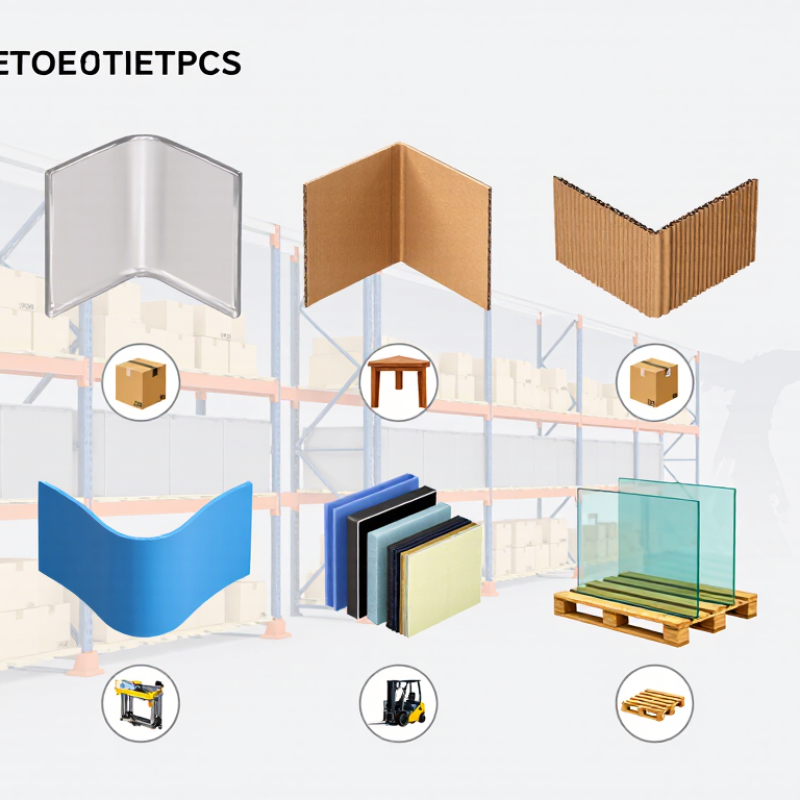
International buyers need corner protectors that survive long routes, mixed handling, and changing warehouse conditions. Seven common choices deserve comparison: foam corners are light and soft, while molded pulp works well for electronics and fragile household goods. Corrugated cardboard protectors are affordable and easy to recycle. Plastic corners resist moisture, but they may add disposal concerns. Rubber protectors absorb repeated impacts on heavy machinery. Paperboard versions suit lighter cartons. Inflatable corner cushions save storage space, although punctures remain a practical weakness.

In my packing tests, foam handled small drops best when the carton fit tightly. Loose foam shifted during transport. Molded pulp stayed firm, but it needed dry storage. Corrugated protectors performed reliably on short routes and standard pallet loads. Plastic showed better moisture resistance during humid container transfers. Rubber offered strong protection for metal edges, yet its weight increased shipping costs. Paperboard was the simplest option for books, frames, and retail packaging. Inflatable cushions were convenient for international sample orders, but I would not trust them alone for dense products.

Global buyers should check corner dimensions, compression strength, temperature tolerance, and carton compatibility. Ask suppliers for drop-test evidence and material specifications. Confirm whether the protector meets destination recycling requirements. Samples matter more than attractive catalog claims. I once selected a thicker design that looked safer, but it reduced usable carton space and raised freight charges. That mistake still influences my purchasing checks. Small details matter.

What Should Buyers Check Before Ordering Corner Protectors Globally?

When sourcing corner protectors across borders, I check the package before checking the price. A protector that looks rigid may crush under a strapped pallet. Measure the carton corner, edge length, wall thickness, and expected stacking load. Then compare those figures with the supplier’s tested capacity. Ask for compression or impact data, not only attractive product photos. A small sample run often reveals weak folds, rough cuts, or an inaccurate fit.

Material choice deserves practical attention.
Recycled paper protectors suit many dry warehouse shipments, while plastic versions may tolerate moisture better. Neither is perfect. Check whether the material softens in humidity, leaves marks, or slips under stretch film. Request samples packed like the real order, including straps, film, and pallet height. I have seen a protector pass a hand test but fail when cartons stayed in a damp container.

Global ordering also requires clear documents. Confirm dimensions in millimeters, tolerance, unit weight, packaging count, minimum order quantity, production time, and shipping terms. Ask which tests were performed, when they were completed, and whether the report matches the quoted specification. Verify labeling and import requirements for the destination market with a qualified local advisor. A supplier’s confident reply is useful, but written evidence is safer.
Leave room for doubt. Forecasts change, and the cheapest quote can become expensive after damaged cartons, storage delays, or rejected deliveries.