Leave Your Message

What Are the Best Road Case Latches in 2026?

Choosing the best Road Case Latches in 2026 means looking beyond a polished finish. A latch must close firmly, resist vibration, and remain usable after repeated handling. Yet public market reports often group case hardware with broader flight-case or packaging categories. They rarely offer comparable, latch-specific failure rates. That makes clear product specifications and practical testing especially important.

Two useful references help frame the evaluation. ATA Spec 300 addresses packaging for airline shipment, while ASTM D5276 describes free-fall drop testing for loaded containers. Neither standard ranks latches or proves that one model is best. They do, however, underline a practical point: the latch is part of a complete case system, including the lid, fasteners, and mounting surface. Check material, corrosion protection, closure security, and replacement-part availability. Then inspect the latch under realistic handling conditions. Small details matter.

A reliable buying guide should also separate verified measurements from marketing claims. I cannot verify a named Road Case Latches expert quotation or a comparable 2026 latch-industry data report from the material provided, so I will not invent either. That limitation matters. This comparison focuses instead on checkable specifications, recognized testing references, and details buyers can inspect before purchase. A latch may look robust on a bench. The real test comes after the case has been opened, closed, and moved again and again.
What Are the Best Road Case Latches in 2026?

What Road Case Latches Are and How They Work

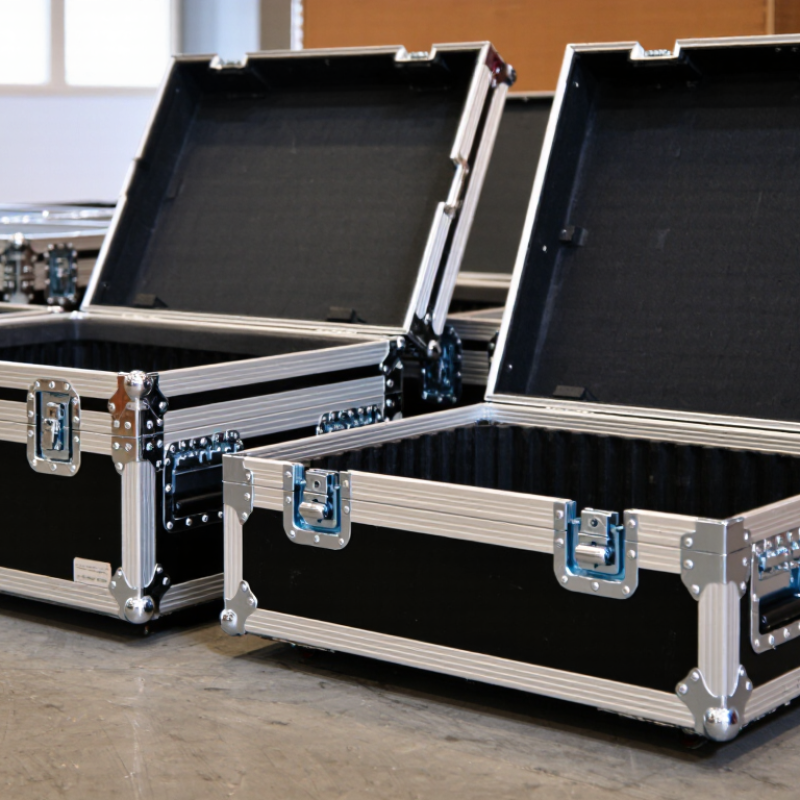
Road case latches hold two case halves together and help protect equipment during handling. A common recessed butterfly latch uses a rotating handle and hook. Turning the handle pulls the hook against a keeper, drawing the lid tightly onto the case rim. The pressure helps keep the closure secure when a case is lifted or moved. Some cases also use gasket material to limit dust and moisture entry.

Small misalignments matter.

A latch should close smoothly without forcing the handle. Check that its hook catches the keeper fully, even when the case is lightly loaded. ATA Specification 300 sets a 100-round-trip design target for Category I reusable containers. This applies to the container system, not to a latch by itself. Still, it offers useful context for evaluating hardware durability. Inspect screws, rivets, hinges, and latch plates for looseness or bending. A padlock hole can deter casual opening, but it does not strengthen a weak closure. It is easy to overlook the keeper. After repeated transport, test the latch again and watch for uneven lid gaps.

Which Features Matter Most When Choosing a Road Case Latch

A road case latch should match the case, its contents, and the way it travels. Draw latches pull two panels together, helping limit rattling when a case moves over rough floors. Check the latch’s rated capacity and mounting instructions, rather than judging strength by its size. The surrounding panel matters too. Thin plywood may need a backing plate to resist repeated strain.

Fit is easy to overlook. Measure the closed depth, including the keeper, so the latch does not interfere with foam, drawers, or nearby hardware. Recessed designs reduce snagging when cases slide close together. A glove-friendly release is useful during quick load-ins. Test the action with the case fully packed. It should close firmly without forcing the panels out of alignment.

Material choice depends on exposure. Plated steel can suit dry indoor use, while corrosion-resistant steel is worth considering for damp routes or frequent outdoor handling. Inspect hinges, pivots, and fasteners as well as the latch body; wear often appears at moving points first. It is tempting to choose the heaviest option, but extra weight is not always useful. I would reconsider that choice if it makes the case awkward to carry or the panel flexes under pressure. A small trial on a loaded case can reveal problems a catalog description cannot.

How Common Road Case Latch Types Compare

Butterfly latches pull panels tightly together and sit relatively flush, making them a strong choice for cases that stack or travel often. Draw latches are simpler and usually quicker to open, but exposed hardware can snag during handling. Spring-loaded latches help resist accidental opening when a case is bumped. Cam locks add a security layer, though they can slow access and require a key. There is no perfect latch. The best choice depends on panel alignment, opening frequency, and the force the case may face in transit. MarketsandMarkets’ Protective Packaging Market report estimated the broader market at $30.7 billion in 2023, with a projected $39.0 billion by 2028. That growth signals investment in protection, not proof that one latch type performs best. Test the finished case under vibration and impact conditions; ISTA 3A includes both in its parcel-testing sequence.

Tips: Close the case on a flat surface. Check that each latch engages without forcing the lid, then inspect hinge-side alignment after repeated openings.

For touring equipment, a flush butterfly latch can reduce snags around crowded loading areas. For lightweight cases opened many times a day, a well-aligned draw latch may be easier to operate. Spring mechanisms can wear, while keyed cams add parts that may be misplaced. A small gap between lid and frame matters. It can let dust in, or leave a latch under uneven tension. The awkward part: case design and installation often matter as much as latch style.

What Are the Best Road Case Latches in 2026?

How common road case latch types compare by typical mechanism features

A value of 1 means the feature is typical of that latch type; 0 means it is not the defining mechanism. Butterfly and draw latches commonly use over-center action, while compression latches commonly use quarter-turn actuation to apply pressure. Lockable versions are available across all three types. Designs vary, so check the specific latch and case requirements before choosing.

How to Evaluate the Best Road Case Latches in 2026

A road case latch should match the case, its contents, and the way people handle it. Start with the lid thickness, latch footprint, and mounting-hole spacing. A latch that looks substantial may still pull loose from a thin panel. Consider the case’s loaded weight and likely handling: frequent loading, long transport, or occasional bumps demand different levels of durability. Measure carefully. Small misalignments can make closure frustrating.

Inspect the latch body, hinge, catch, and fasteners. Stainless steel can help resist corrosion in damp settings, while coated steel may suit dry indoor use. Check whether the latch pulls the lid firmly against its gasket without bending the case. A compression latch may improve sealing, but it is not a substitute for a properly fitted gasket. Open and close the mechanism with the gloves you expect to wear. Does it move smoothly? Does the catch engage clearly?

Test samples on the actual case material before ordering in quantity. Cycle each latch repeatedly, then check for loosened screws, sharp edges, and uneven lid pressure. A controlled pull test can reveal weak mounting points, though it cannot reproduce every jolt on the road. This part is easy to overlook. I would also compare replacement hardware availability and installation effort, not just purchase price. There is no perfect latch for every case; the best choice depends on fit, workload, and maintenance.

How to Match a Latch to Your Case and Use Case

A reliable road case latch starts with the case, not the catalogue. Check the panel material, thickness, and available mounting depth before choosing a style. A recessed butterfly latch suits many touring cases because it stays protected from knocks and provides a broad surface for gloved hands. On a shallow lid, however, its cup may leave too little room for reinforcement. Measure the cutout and the space behind it. Small details matter.

Then match the mechanism to the way the case is used. A case opened several times each day benefits from a latch that closes quickly and gives a clear sense of engagement. For equipment exposed to vibration, choose a secure draw or over-center design and test it with the actual lid, gasket, and contents. A latch can feel firm when empty, then loosen as a loaded lid flexes. Not always obvious.

Consider weather and maintenance, too. In damp venues or outdoor transport, corrosion-resistant hardware and cleanable corners can save trouble. Check that the mounting fasteners suit the case wall; short screws can pull free, while oversized ones may damage a thin panel. There is no perfect choice. A heavier latch may be durable but awkward on a small case, and the neatest fit may be harder to repair on the road. Test a sample under realistic handling before specifying a full set.