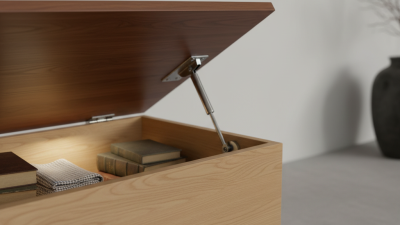
A Lid Stay Hinge is a hardware fitting that supports a raised lid and helps control its movement. Unlike a basic hinge, which mainly joins two panels, a lid stay can hold a lid open or limit how far it travels. You may find one on a storage chest, tool box, cabinet, or folding bench. The exact action depends on its design.
Many models use a hinged arm, spring, friction joint, or gas strut. As the lid rises, the mechanism changes position and resists unwanted closing. Some stays lock open; others simply slow the lid or guide its path. Not every stay locks. That difference matters. A small cabinet lid and a heavy wooden chest need different support, and choosing by appearance alone can lead to poor performance. Measure the lid, note its weight, and check where the stay can attach before selecting hardware.
Installation also affects how well it works. A stay mounted too close to an edge may strain the screws, while incorrect alignment can make the lid bind. Follow the manufacturer’s instructions and test the movement gently before regular use. Keep fingers clear of closing edges. It sounds obvious, but pinched fingers are an easy detail to overlook. Wear, corrosion, and frequent use can also change how smoothly a mechanism moves over time. A stay is not a substitute for a properly sized hinge or sound mounting points. This guide explains how a Lid Stay Hinge works, compares common types, and highlights practical details that can help you choose.
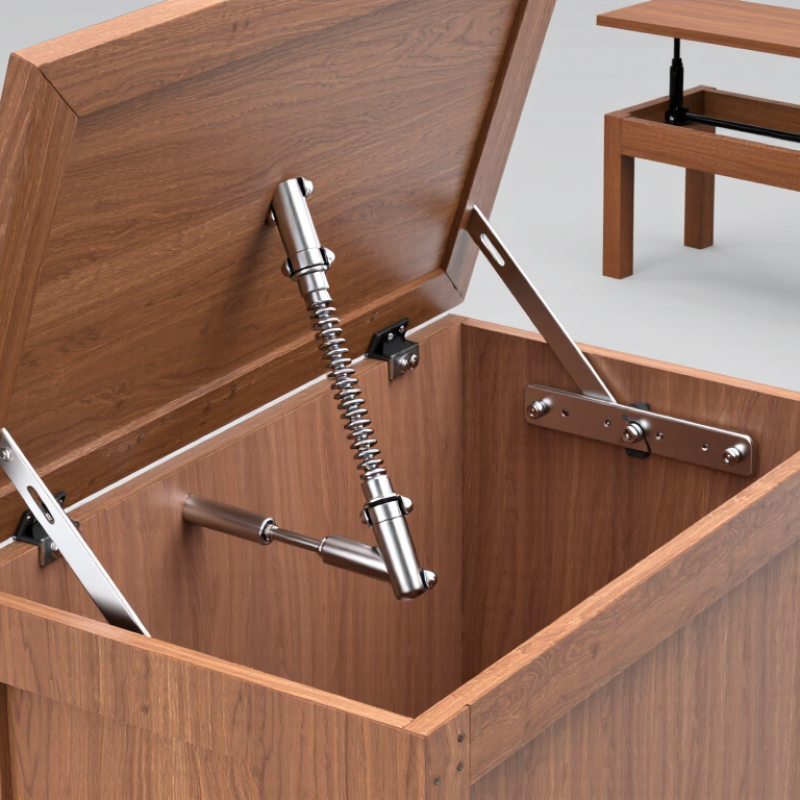
A lid stay hinge is hardware that connects a hinged lid to its base and helps control its movement. Some designs combine the hinge and stay; others use a separate support arm. The hinge sets the pivot point, while the stay holds the lid at a chosen angle or slows its descent. Not every model soft-closes. Check the product’s rated lid weight and dimensions before fitting it.
On a storage chest, the mechanism may sit inside the side panel, leaving a small metal arm visible as the lid opens. Its job is practical: reduce sudden drops and keep the lid from falling shut during access. Houzz’s 2024 U.S. Kitchen Trends Study reported that 76% of renovating homeowners upgraded their cabinets, showing how often hardware decisions accompany storage improvements. That figure concerns cabinets, not lid stays, so it should not be treated as a hinge-performance measure. For cabinet-hardware testing context, ANSI/BHMA A156.9 specifies performance requirements and test methods. Fit still matters. A stay mounted out of alignment can bind, and real lids may be heavier than their appearance suggests.
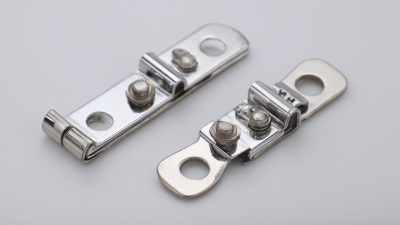
A lid stay hinge is made from several parts that guide and support a raised lid. The mounting plates attach to the lid and cabinet or box, usually with screws. A linked arm connects the plates and controls how far the lid can open. Look closely.
At each joint, a pin or rivet lets the arm rotate. Some stays also include a friction section, spring, or damper. These parts affect how easily the lid moves and whether it can remain open without support. When you lift the lid, the arm swings around its pivots. As it reaches its travel limit, a stop in the mechanism helps prevent further opening. Not every design works the same way.
A sturdy stay should feel controlled, not loose or sharply resistant. Check that the plates sit flat and the screws remain snug; a tilted plate can make the arm bind. Soft-close models use damping to slow the final part of the closing motion. That detail can protect fingers and reduce impact, though it does not make careless installation harmless. There is a small compromise here: stronger resistance may hold a heavier lid, but can also make it harder to lift. Sometimes, adjustment is needed.
A lid stay hinge controls how a lid moves as it opens and closes. Its pivot and supporting arm guide the lid along a set path, rather than letting it swing freely. On a wooden storage chest, for example, the stay can help keep the lid from dropping onto the rim. Small movements matter.
The mechanism may use friction, a linked arm, or a spring to resist motion and hold the lid at selected angles. As the lid rises, the arm changes position and carries part of its weight. Some designs slow the closing movement; others simply limit how far the lid opens. A stay is not automatically a soft-close device, so checking its intended function matters.
Fit affects performance. A stay mounted slightly out of position may bind, feel stiff, or fail to support the lid evenly. The lid’s weight and dimensions should match the hinge’s capacity, and fasteners need a secure surface. Keep fingers clear during testing, especially near the hinge and closing edge. It is easy to focus on the hardware and overlook the lid itself; a heavy or poorly balanced lid can still move unexpectedly.
Common types of lid stay hinges include friction stays, folding stays, gas struts, and locking supports. Each controls a raised lid differently. A friction stay uses resistance at its pivot to hold a lid at several angles. Folding stays use linked metal arms and often suit toy chests or storage benches. Gas struts contain pressurized gas, helping lift heavier lids smoothly. Locking stays hold the lid open until a release lever is operated. Clicks into place.
A hinge specialist would match the stay to lid weight, width, and mounting position. A small wooden box may need only a friction stay; a wide bench lid can require paired supports. Poor positioning can make even a strong stay feel stiff or let the lid drop. That detail is easy to miss. The Grand View Research 2023 furniture-market report estimates the global market at USD 541.52 billion, reflecting the scale of furniture production, not a performance rating for any hinge type. For durability checks, EN 15570:2008 sets test methods for hinge strength and durability. Buyers should still check the stay’s stated load range and installation instructions, because lid geometry changes the force at the mounting points. A little trial fitting helps.
A lid stay is hardware that helps control a lid as it opens, holds it at a selected position, or prevents it from closing unexpectedly. Some stays are integrated into a hinge; others are separate supports used alongside hinges.
| Type | How It Works | Typical Applications | Key Benefit | Things to Consider |
|---|---|---|---|---|
| Friction stay | Friction at the pivot or joints resists movement, helping the lid remain at different angles without a separate latch. | Small boxes, access panels, and light cabinet lids. | Simple, compact control with few components. | Holding force can change with wear, adjustment, and lid weight. |
| Constant-torque hinge | A controlled amount of rotational resistance is applied through the hinge movement, allowing the lid to be positioned and held by hand. | Equipment covers, display lids, and instrument panels. | Provides smooth, adjustable positioning across a range of angles. | The torque rating must suit the lid’s weight, size, and balance. |
| Folding lid stay | A hinged arm unfolds as the lid opens and limits its travel; some designs fold or collapse to let the lid close. | Chests, storage benches, and light-to-medium cabinet lids. | Offers a defined opening limit and straightforward mechanical support. | Placement and fastening need to match the lid geometry; one stay may not be sufficient for a wide lid. |
| Locking lid stay | A support arm locks at an open position, often using a sliding or pivoting locking mechanism, and must be released before closing. | Storage chests, work surfaces, and lids that need to stay securely open. | Helps prevent the lid from closing until the stay is deliberately released. | The release mechanism must be accessible, and the stay must be rated for the intended load. |
| Gas spring lid support | Pressurized gas in a cylinder extends a piston rod to assist lifting and support the lid. It is a support device used with hinges, rather than a hinge itself. | Vehicle hatches, storage compartments, and larger cabinet lids. | Reduces the effort needed to lift a suitably matched lid and can help keep it open. | Force, stroke length, mounting position, and temperature range affect performance. |
| Spring-assisted lid stay | A spring stores energy as the lid moves and applies force to counterbalance part of its weight. | Cabinet doors, light lids, and some folding or drop-front panels. | Can make opening easier and provide assistance without a gas-filled cylinder. | Spring force and geometry must be selected carefully to avoid excessive opening force or poor control. |
Selection tip: Check the lid’s weight, dimensions, opening angle, mounting space, and whether it must stay open, hold at several angles, or simply open with less effort. Follow the hardware maker’s load and installation guidance.
Choosing a lid stay hinge starts with the lid’s weight, width, and opening angle. Check the stay’s rated capacity and installation position in its technical sheet. A wide lid can place uneven force on its hinges, especially when someone lifts it from one corner. Two stays do not automatically provide twice the safe capacity. Not magic, though. The lid’s weight and mounting material still matter.
For a reliable fit, mock up the hinge position while the lid is securely supported. Mark the screw holes, drill pilot holes, and use screws suited to the lid and chest material. Weak particleboard may need reinforcement; a screw that feels tight is not always well anchored. ASTM F2057-23 covers clothing storage units at least 27 inches high, weighing 30 pounds or more, and offering at least 3.2 cubic feet of storage. That standard addresses tip-over stability, not lid-stay capacity. ANSI/BHMA A156.9 covers cabinet hardware performance, but neither standard replaces the hinge’s own load rating. Keep fingers clear during testing, then check the fasteners again after regular use. A small alignment error can make the lid feel jerky. That detail is easy to underestimate.
Illustrative calculation for a 5 kg lid with its center of mass 0.30 m from the hinge. As the lid opens from horizontal, the gravitational torque decreases. Choose a lid stay based on the lid’s weight, dimensions, mounting geometry, and the stay’s rated capacity; actual support requirements vary by installation.