Why Choose Quality Case Hardware for Your Products?
A case may look impressive on a showroom shelf, but its hardware determines how it performs after months of use. Hinges, latches, handles, and corner fittings face repeated movement, pressure, and occasional knocks. When one part loosens or sticks, the whole product can feel unreliable. Small parts matter.
Choosing quality Case Hardware helps manufacturers protect both function and reputation. A well-fitted latch should close securely without forcing, while hinges should move smoothly and hold their alignment. Material choice matters, too. Steel, aluminum, and plated finishes respond differently to weight, moisture, and wear. Buyers should compare specifications, finish quality, load guidance, and testing information rather than relying on appearance alone. Fit tells a story.
The right decision depends on the case itself. A lightweight display case needs different fittings from a tool case carried across a jobsite. Check mounting dimensions, fastener placement, and the expected opening cycle before ordering. These details can prevent rattling, uneven gaps, and premature wear. They also make assembly more consistent.
There is no single hardware choice for every product. Even a premium component can disappoint if it is poorly matched or installed with the wrong fasteners. That part is easy to overlook. Careful evaluation, clear supplier data, and practical product testing give teams a stronger basis for selecting hardware. The payoff is a case that feels dependable in the hand and keeps working beyond its first impression.
Understanding Case Hardware and Its Main Components
Why Choose Quality Case Hardware for Your Products?
Understanding Case Hardware and Its Main Components
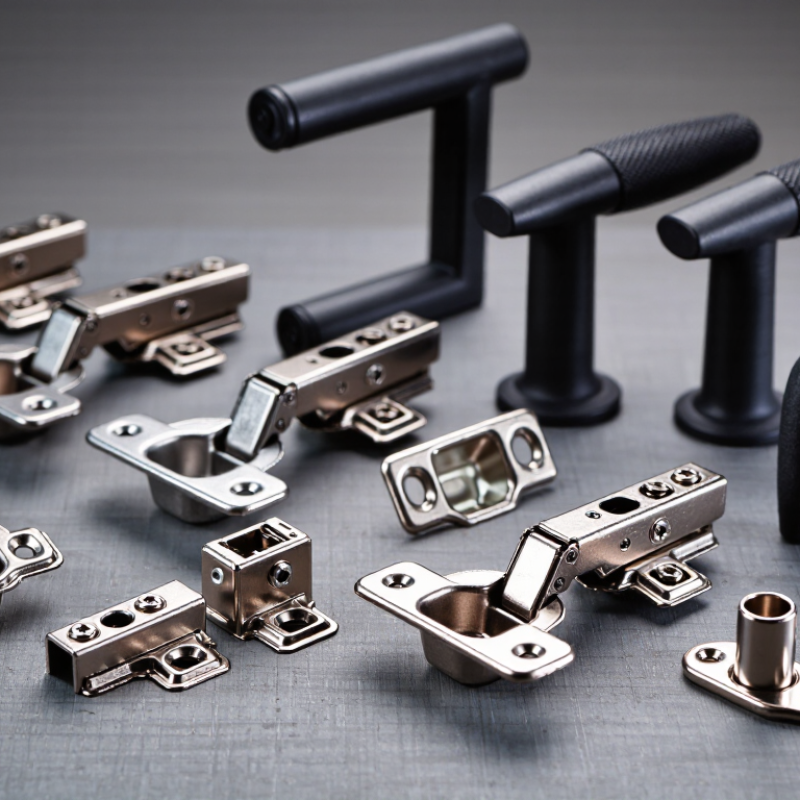
Case hardware is the set of parts that lets a case open, close, move, and protect its contents. It includes hinges, latches, handles, corner protectors, and fasteners. Each part has a practical job. Hinges guide the lid through repeated movement. Latches keep panels together during handling. Handles transfer the case’s weight to a person’s hand. Small parts matter.
A useful evaluation starts with how the case will be used. A travel case may need recessed handles and latches that resist accidental opening. A storage case may benefit more from simple, serviceable hardware. Metal thickness, hinge-pin construction, and fastener placement affect durability, but no component works alone. Reinforced corners can reduce impact damage, while a suitable gasket can limit dust or moisture entry. The case design still determines how much protection is realistic.
Fit matters. Hardware that looks sturdy can loosen if screws are too short or mounted into weak material. Check alignment, opening clearance, and the load a handle must carry. In production, inspect samples under realistic use rather than relying only on appearance. Honestly, there is no single “best” setup; added strength can also mean extra weight or cost. The right balance depends on the contents, environment, and expected handling.
How Hardware Quality Influences Product Performance
Why Choose Quality Case Hardware for Your Products?
Case hardware quietly determines how a product behaves after repeated use. A hinge that loosens can misalign a lid; a latch that binds can turn a simple opening into a daily irritation. Better components help maintain alignment, reduce wear, and keep cases dependable through transport and handling. Small parts matter.
The American Society for Quality’s Cost of Quality guidance notes that quality-related costs can reach 15–20% of sales, depending on industry and accounting methods. This broad benchmark is not specific to case hardware, but it shows why preventing defects can matter financially. For hardware itself, ANSI/BHMA performance standards evaluate factors such as cycle endurance, load, and corrosion resistance. These tests give buyers useful comparisons, not a guarantee of service life.
A lab pass is not a lifetime promise.
Real use includes dust, uneven loading, hurried handling, and occasional drops. Check that hinge movement feels smooth, screws remain seated, and the latch closes without forcing it.
A detail often missed: fastener placement and the case material affect performance too. Strong hardware cannot compensate for a weak mounting surface. Choosing quality parts is sensible, but testing the complete case under realistic conditions is better.
Materials and Manufacturing Factors That Determine Quality
Case hardware earns its quality through material choice and controlled manufacturing, not appearance alone. Steel thickness, alloy composition, and corrosion protection affect how hinges, latches, and handles perform after repeated opening. A heavier part is not automatically better. Check whether the metal suits the product’s expected moisture, load, and handling conditions. Fit matters too.
Corrosion resistance depends on both the base material and its finish. The NACE International IMPACT study estimated global corrosion costs at US$2.5 trillion annually, or 3.4% of global GDP, and reported that corrosion-management practices could reduce costs by 15–35%. Those figures concern many industries, not case hardware alone, but they show why coating quality and maintenance deserve attention. A coating can look smooth and still fail at a cut edge.
Manufacturing details make quality measurable. Look for consistent hole spacing, clean edges, even plating, and fasteners that seat without forcing. Suppliers should document material specifications and inspect parts against stated tolerances. Salt-spray testing can compare corrosion performance, but it does not perfectly reproduce every real-world environment. That limitation matters. In practice, sample checks may miss variation between production batches, so incoming inspection and clear acceptance criteria help catch problems before assembly.
How to Evaluate Case Hardware for Your Product
Why Choose Quality Case Hardware for Your Products?
How to Evaluate Case Hardware for Your Product
Evaluate hardware against the job, not its shine. List expected loads, opening cycles, carry weight, moisture exposure, and user handling. Inspect hinge alignment, latch engagement, fastener pull-out, edge clearance, and finish wear. Ask suppliers for material specifications and test records. Then test samples on the actual case: thin panels can flex differently from lab fixtures. Test early. A latch that feels crisp on a bench may snag when the case is packed.
Use repeatable checks. Load the handle, cycle hinges and latches, then inspect for corrosion or loosening after exposure tests suited to the product’s environment. Record force, cycle count, and failures. McKinsey & Company’s 2018 report, “The Business Value of Design,” found that top-quartile design performers had 32 percentage points higher revenue growth and 56 points higher total shareholder returns over five years than industry peers. This does not prove hardware alone drives results, but it supports treating design as measurable work. The data does not choose your latch.
Tips: Compare two or more samples using the same panel thickness, screws, and test routine. Photograph wear. Note uncertainties, too.
Why Choose Quality Case Hardware? Evaluate Material Density
Approximate reference densities at room temperature: aluminum 2,700, zinc 7,140, steel 7,850, and brass 8,500 kg/m³. Actual values vary by alloy and grade. Density is one material-selection factor—not a measure of hardware strength or overall quality—so also check load capacity, corrosion resistance, and cycle-life test results for your application.
Long-Term Benefits of Choosing Quality Case Hardware
A case is only as dependable as its hinges, latches, handles, and fasteners.
When a latch loosens or a hinge corrodes, the whole case may become harder to use, even if its shell remains intact. Quality hardware can reduce these weak points through suitable materials, consistent fit, and finishes designed for the product’s environment.
Small parts matter.
Corrosion is a real cost across industries. NACE International’s 2016 IMPACT study estimated its global economic impact at
US$2.5 trillion, or 3.4% of global GDP.
That figure is not specific to case hardware, but it highlights why material and coating choices deserve attention. Humidity, salt, repeated handling, and friction can all affect hardware over time. Better components may help resist these stresses, though no finish lasts forever.
Longer service life can also mean fewer repairs and replacements. The U.S. EPA’s 2018 Advancing Sustainable Materials Management report recorded
12.1 million tons
of durable goods in municipal solid waste; it does not isolate cases or their hardware. Still, designing products to remain usable matters. Look for tested cycle performance, secure fasteners, and clear maintenance guidance. A polished finish alone proves little. A better hinge cannot fix a badly aligned lid, either, so assembly quality deserves equal scrutiny.